Pond and bog plants paint a vibrant canvas across the watery landscapes, inviting us to delve into their fascinating world. From the serene beauty of floating water lilies to the resilient nature of acid-loving bog plants, these botanical marvels hold a captivating story, woven with scientific intrigue and ecological significance.
Embark on a journey where we unravel the secrets of these wetland wonders, exploring their diverse forms, ecological roles, and the art of creating visually stunning and ecologically balanced ponds and bogs.
Pond Plants
Pond plants are an essential part of any healthy pond ecosystem. They provide oxygen, filter the water, and create habitat for wildlife. There are many different types of pond plants, each with its own unique benefits.
Floating plants, such as water lilies and duckweed, help to shade the water and prevent algae growth. Submerged plants, such as hornwort and elodea, provide oxygen and hiding places for fish. Emergent plants, such as cattails and rushes, help to filter the water and create nesting sites for birds.
Benefits of Pond Plants
- Provide oxygen for fish and other aquatic life.
- Filter the water and remove pollutants.
- Create habitat for wildlife, such as fish, frogs, and birds.
- Add beauty and interest to your pond.
Bog Plants: Pond And Bog Plants
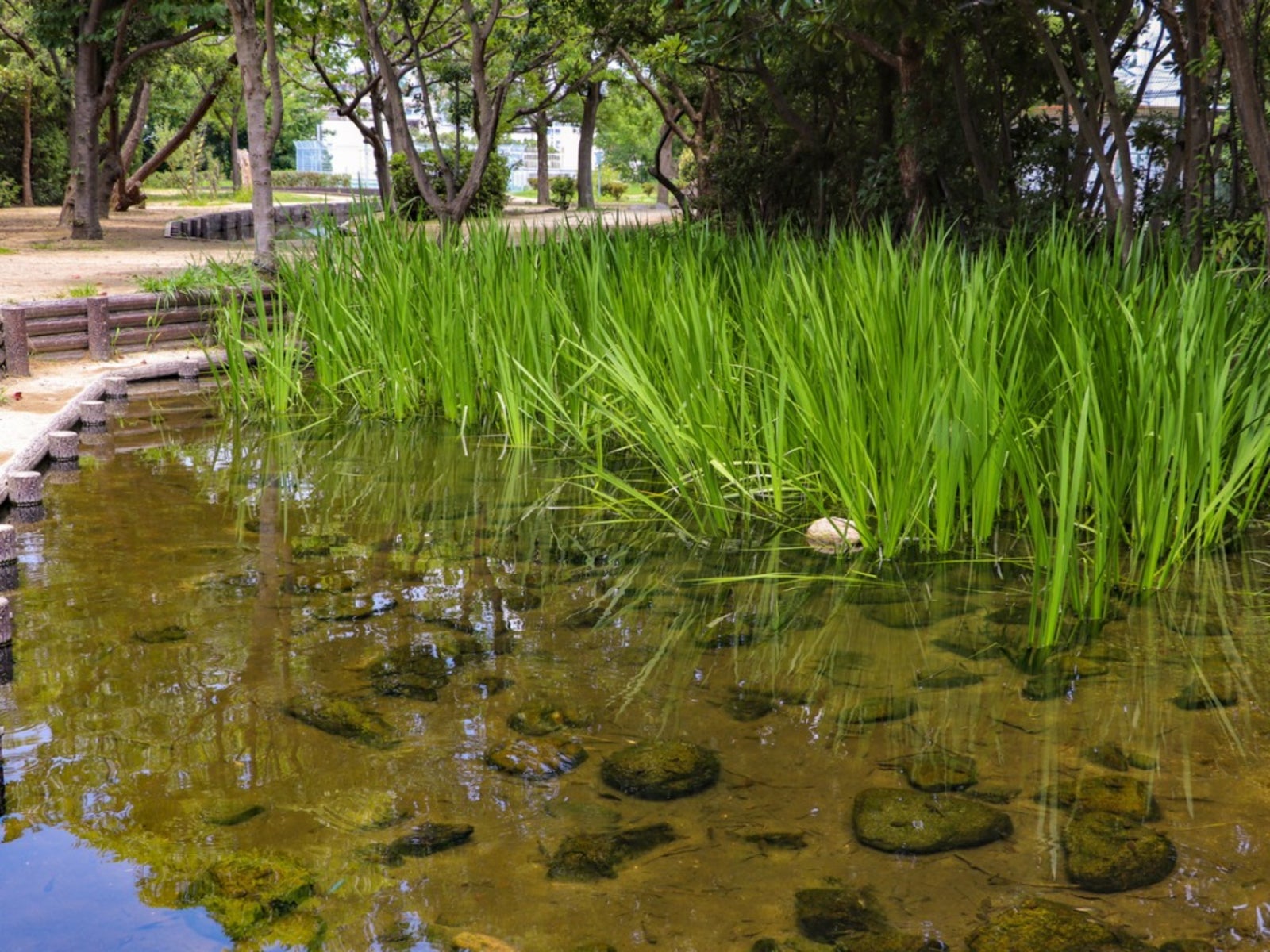
Bogs are unique wetlands characterized by acidic conditions and waterlogged soils. They support a diverse array of specialized plant species known as bog plants.
Bog plants possess remarkable adaptations that enable them to thrive in these harsh conditions. They exhibit tolerance to acidic environments, thanks to physiological mechanisms that regulate pH levels within their tissues. Furthermore, their root systems are adapted to extract nutrients from nutrient-poor bog soils.
Common Bog Plants
- Sundews (Drosera spp.): Carnivorous plants that trap and digest insects to supplement their nutrient intake.
- Pitcher plants (Sarracenia spp.): Carnivorous plants with specialized leaves that form pitcher-shaped traps to capture and digest insects.
- Cranberries (Vaccinium macrocarpon): Edible berries that thrive in acidic bog conditions.
- Blueberries (Vaccinium myrtillus): Closely related to cranberries, blueberries are also adapted to acidic bog environments.
- Bog rosemary (Andromeda polifolia): A low-growing shrub with evergreen leaves and pink or white flowers.
- Sphagnum moss (Sphagnum spp.): A genus of mosses that play a crucial role in bog ecosystems, forming the foundation of peatlands.
Ecological Importance
Bog plants are ecologically significant as they contribute to the unique biodiversity of wetlands. They provide food and shelter for various animal species, including insects, amphibians, and reptiles. Bogs also act as natural filters, purifying water and reducing nutrient pollution.
Design Considerations

When designing a pond or bog, it’s important to consider the types of plants that will thrive in the specific environment. Different plants have different preferences for water depth, sunlight, and soil conditions. It’s also important to consider the aesthetic appeal of the plants and how they will complement the overall design of the pond or bog.
Plant Selection, Pond and bog plants
The following table Artikels the different types of pond and bog plants, their preferred growing conditions, and their aesthetic appeal:
| Type of Plant | Preferred Growing Conditions | Aesthetic Appeal |
|---|---|---|
| Marginal Plants | Grow in shallow water or along the edge of the pond | Provide color and texture, attract wildlife |
| Submerged Plants | Grow completely underwater | Provide oxygen for fish, help to control algae |
| Floating Plants | Float on the surface of the water | Provide shade for fish, help to control algae |
| Bog Plants | Grow in moist, acidic soil | Add color and texture, attract wildlife |
When selecting plants for a specific pond or bog environment, it’s important to consider the following factors:
- Water depth: Some plants can only tolerate shallow water, while others can grow in deeper water.
- Sunlight: Some plants need full sun, while others can tolerate partial shade or even full shade.
- Plant size: It’s important to choose plants that are the right size for the pond or bog. Small plants can be overwhelmed by larger plants, while large plants can crowd out smaller plants.
Design Principles
When designing a visually appealing and ecologically balanced pond or bog, it’s important to use a variety of plant species. This will help to create a more natural look and will also provide a variety of habitats for wildlife. It’s also important to consider the following design principles:
- Focal point: Every pond or bog should have a focal point, which can be a large plant, a water feature, or a piece of sculpture.
- Balance: The plants in a pond or bog should be balanced in terms of size, color, and texture.
- Harmony: The plants in a pond or bog should complement each other and create a sense of harmony.
By following these design principles, you can create a pond or bog that is both beautiful and ecologically sound.