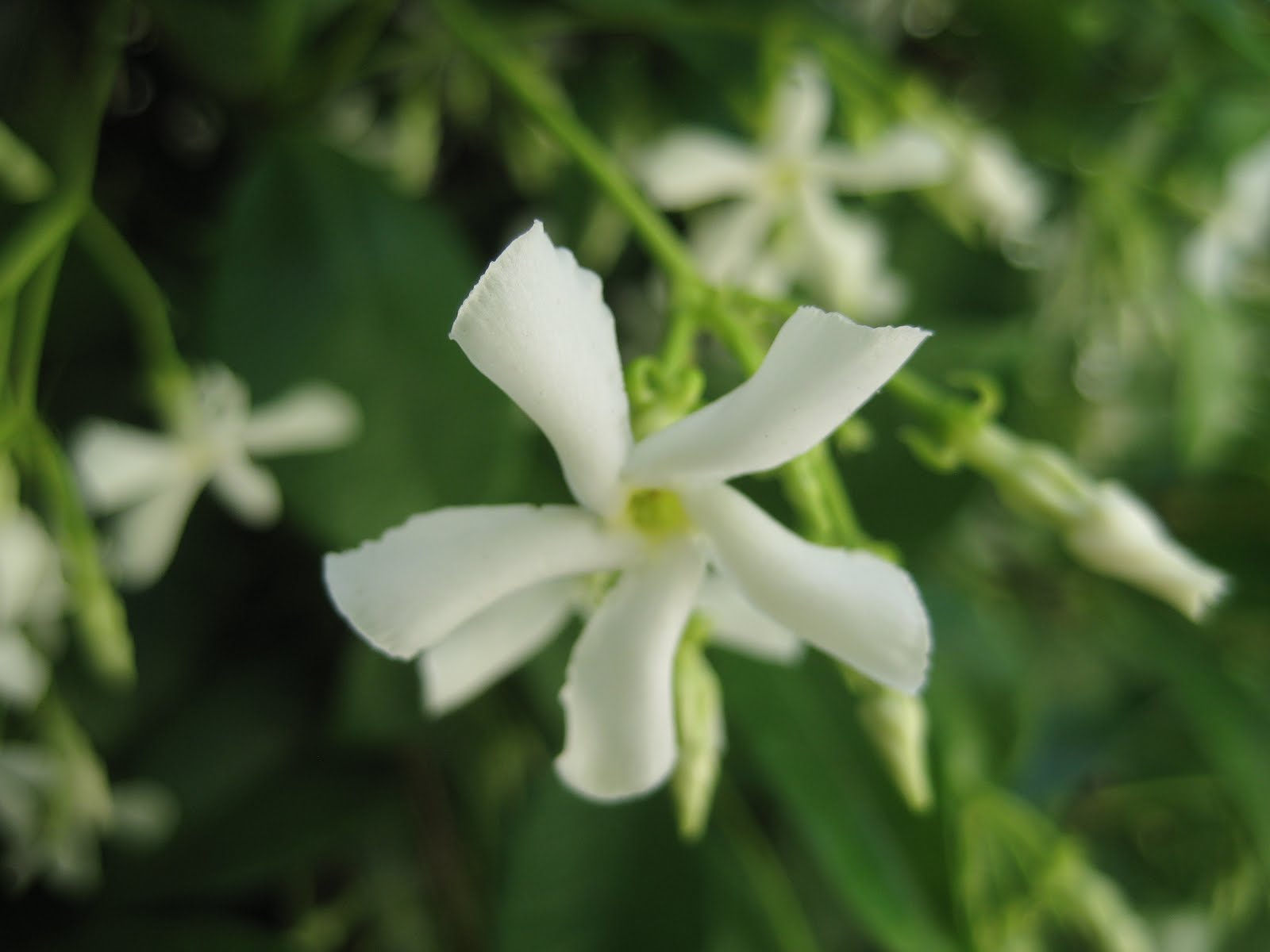
Raat ki rani plant – Raat Ki Rani, the captivating Night-Blooming Jasmine, unveils its alluring fragrance and medicinal wonders, inviting us on a journey through its botanical charm, cultivation secrets, and therapeutic benefits.
This enigmatic plant, with its delicate white blooms and heady scent, has captivated cultures for centuries, earning a place in both traditional remedies and modern-day gardens.
Botanical Description of Raat Ki Rani Plant
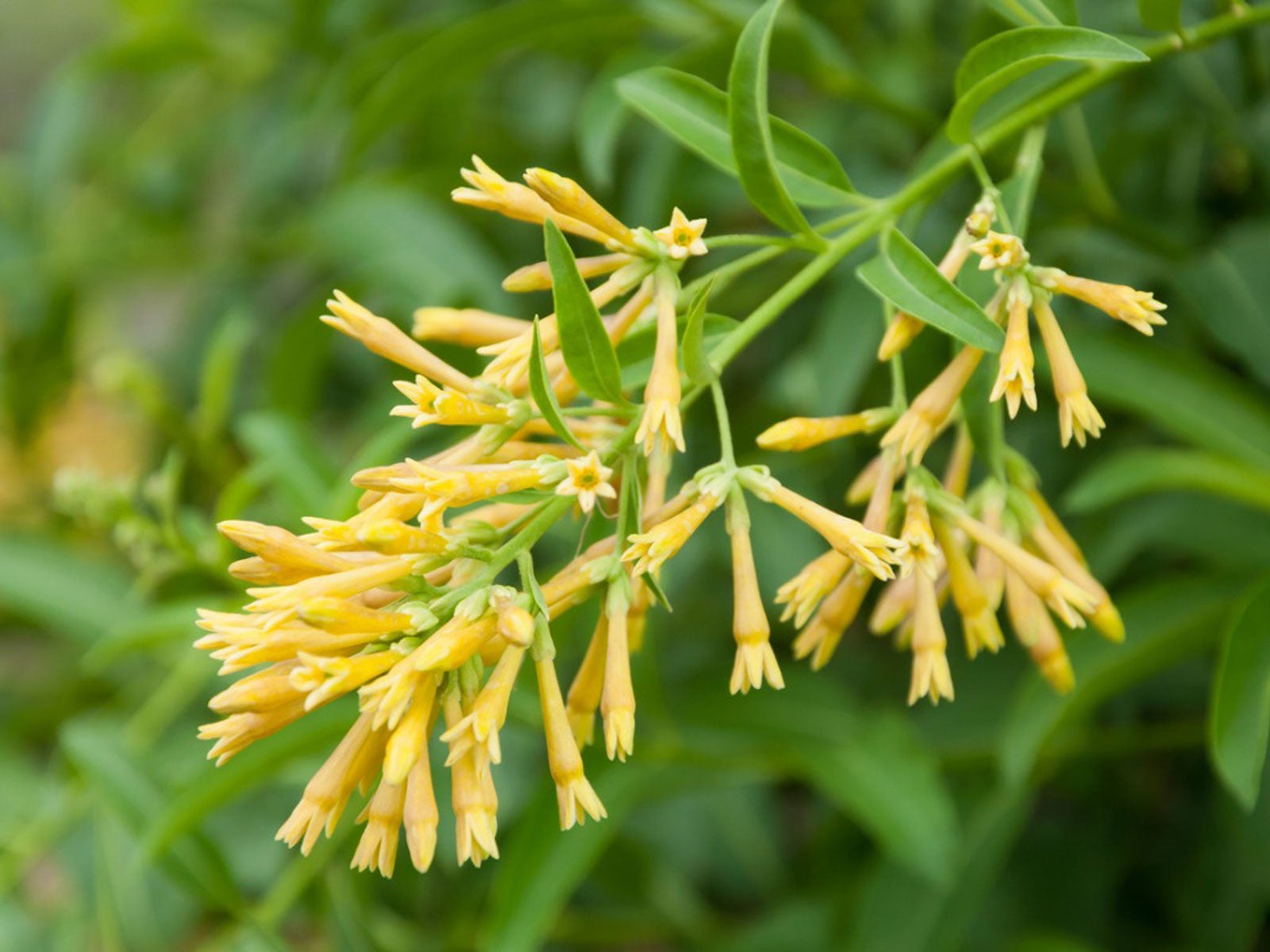
Raat Ki Rani, also known as Night-blooming Jasmine, is a beautiful flowering plant that is native to the tropical regions of Asia. It is a member of the Solanaceae family, which also includes plants like tomatoes, potatoes, and eggplants. The Raat Ki Rani plant is a shrub that can grow up to 6 feet tall. It has dark green leaves that are ovate in shape and have serrated edges. The flowers of the Raat Ki Rani plant are white and funnel-shaped. They have a sweet fragrance that is strongest at night. The name “Raat Ki Rani” means “Queen of the Night” in Hindi. This name is given to the plant because its flowers open at night and close during the day.
Etymology of the Name
The name “Raat Ki Rani” is derived from the Hindi words “raat” (night) and “rani” (queen). This name is given to the plant because its flowers open at night and close during the day. The Raat Ki Rani plant is also known by other names in different cultures. In English, it is known as Night-blooming Jasmine. In Spanish, it is known as Dama de noche. In French, it is known as Belle de nuit.
Cultivation and Care of Raat Ki Rani Plant

Raat Ki Rani plants thrive in well-drained, loamy soil rich in organic matter. They prefer bright, indirect sunlight and can tolerate partial shade. Regular watering is essential, especially during hot and dry weather, but avoid overwatering as it can lead to root rot.
The optimal temperature range for Raat Ki Rani plants is between 18-29°C (64-84°F). They can tolerate cooler temperatures down to 10°C (50°F) but may experience stunted growth or leaf drop below this range.
Propagation
Raat Ki Rani plants can be propagated through stem cuttings or seeds. To propagate through stem cuttings, take a 4-6 inch cutting from a healthy stem and remove the leaves from the bottom 2 inches. Plant the cutting in well-draining soil and keep it moist until roots develop.
To propagate through seeds, sow them directly in well-draining soil and keep them moist. Seeds will typically germinate within 1-2 weeks.
Care
Raat Ki Rani plants require regular watering, especially during hot and dry weather. Fertilize the plant monthly with a balanced fertilizer during the growing season. Prune the plant regularly to remove dead or damaged leaves and stems.
Raat Ki Rani plants are generally resistant to pests and diseases, but they can be susceptible to mealybugs, aphids, and whiteflies. Control these pests by using insecticidal soap or neem oil.
Medicinal and Therapeutic Uses of Raat Ki Rani Plant

Traditionally, Raat Ki Rani has been used in various medicinal practices for centuries, and modern research has substantiated its therapeutic properties. Its medicinal value stems from the presence of active chemical constituents, including alkaloids, flavonoids, and essential oils.
Raat Ki Rani has demonstrated antimicrobial, antifungal, and antioxidant properties. Studies have shown its efficacy against a wide range of bacteria and fungi, including Staphylococcus aureus, Escherichia coli, and Candida albicans. The plant’s antioxidant properties help protect cells from damage caused by free radicals, potentially reducing the risk of chronic diseases.
Anti-inflammatory Properties, Raat ki rani plant
Raat Ki Rani contains compounds with anti-inflammatory effects. Studies have shown that extracts from the plant can reduce inflammation in various animal models. These anti-inflammatory properties may have therapeutic potential for conditions such as arthritis, asthma, and inflammatory bowel disease.
Pain Relief
Raat Ki Rani has traditionally been used as an analgesic for pain relief. Research suggests that the plant’s active constituents may inhibit pain signals in the body. This property may make Raat Ki Rani a potential natural pain reliever for conditions such as headaches, muscle aches, and menstrual cramps.
Sedative and Antidepressant Effects
Raat Ki Rani has sedative and antidepressant properties. The plant’s alkaloids have been shown to promote relaxation and reduce anxiety. Studies have indicated that Raat Ki Rani extracts may have potential in treating insomnia, anxiety disorders, and depression.
Wound Healing
Raat Ki Rani has been used traditionally for wound healing. Research has shown that the plant’s extracts can accelerate wound healing by promoting the formation of new tissue and reducing inflammation. This property may make Raat Ki Rani a potential natural remedy for burns, cuts, and other wounds.