Red and yellow plants, with their vibrant hues and captivating presence, have long fascinated and inspired humans. From their botanical significance to their cultural and artistic representations, these plants offer a rich tapestry of exploration.
Delve into the world of red and yellow plants as we uncover their unique characteristics, delve into their botanical significance, and explore their cultural and artistic expressions throughout history.
Flower Species with Red and Yellow Hues

In the realm of flora, nature has crafted a captivating palette of colors, and among them, the vibrant hues of red and yellow hold a special allure. Numerous flower species proudly display these eye-catching colors, each possessing unique characteristics that add to their charm.
This comprehensive list presents a diverse array of flower species that boast both red and yellow hues, offering a glimpse into the captivating beauty and fascinating diversity of the plant kingdom.
Flower Species with Red and Yellow Hues
| Flower Species | Unique Characteristics | Blooming Season | Notable Features |
|---|---|---|---|
| Gerbera Daisy | Bold, daisy-like blooms with prominent central discs | Spring to fall | Available in a wide range of colors, including bicolor varieties with red and yellow petals |
| Hibiscus | Large, trumpet-shaped flowers with ruffled petals | Summer to fall | Known for their vibrant colors and ability to attract hummingbirds |
| Indian Paintbrush | Spiky, brush-like flower heads composed of numerous tiny florets | Spring to summer | Native to North America, with flowers that range from scarlet red to golden yellow |
| Marigold | Cheerful, daisy-like flowers with single or double petals | Spring to fall | A popular choice for gardens, known for their bright yellow and orange-red hues |
| Pansy | Small, heart-shaped flowers with intricate patterns | Spring and fall | Available in a vast array of colors, including bicolor varieties with red and yellow markings |
| Poinsettia | Distinctive, star-shaped bracts that resemble flowers | Winter | A popular holiday plant, known for its brilliant red and yellow bracts |
| Snapdragon | Spiky, tubular flowers that resemble dragon’s mouths | Spring to summer | Available in a range of colors, including bicolor varieties with red and yellow petals |
| Sunflower | Massive, daisy-like flowers with large, black central discs | Summer | A symbol of summer and sunshine, with bright yellow petals and reddish-brown centers |
| Tiger Lily | Elegant, lily-shaped flowers with spotted or striped petals | Summer | Known for their vibrant orange-red petals with black spots |
| Tulip | Cup-shaped flowers with long, slender stems | Spring | Available in a wide range of colors, including bicolor varieties with red and yellow petals |
Botanical Significance of Red and Yellow Pigments
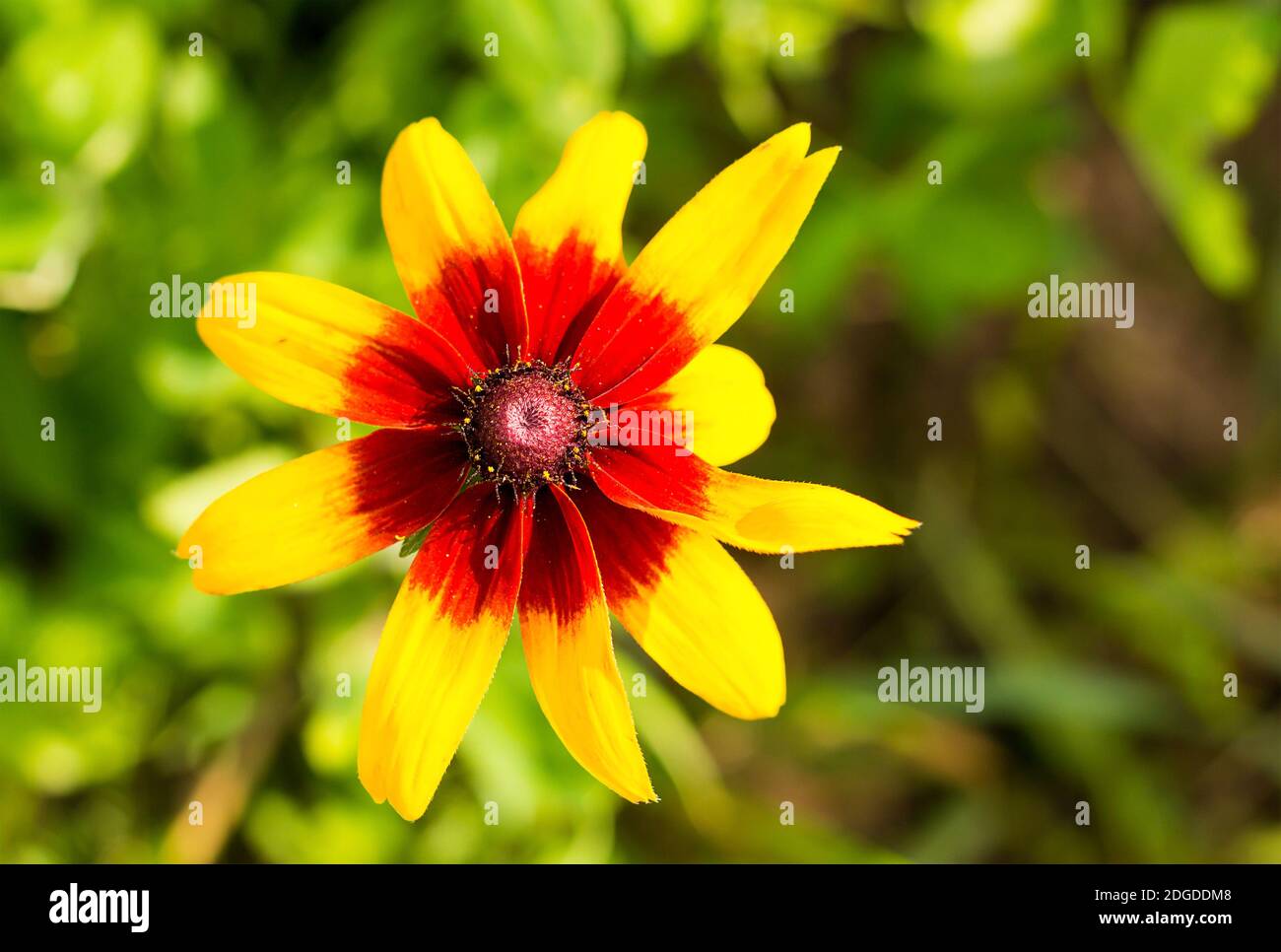
Red and yellow pigments play a crucial role in plant life, influencing various physiological processes and ecological interactions. These pigments are primarily derived from two main groups of compounds: carotenoids and anthocyanins.
Carotenoids, such as beta-carotene and lycopene, are responsible for the yellow, orange, and red colors in plants. They are essential for photosynthesis, absorbing light energy and transferring it to chlorophyll molecules. Additionally, carotenoids serve as antioxidants, protecting plant tissues from damage caused by reactive oxygen species.
Pollination
Red and yellow pigments are often involved in attracting pollinators. Brightly colored flowers, such as those of sunflowers, poppies, and roses, use these pigments to signal to pollinators that they offer a source of nectar or pollen.
Protection
Some plants use red and yellow pigments as a defense mechanism against herbivores. For example, the red pigment in the leaves of the poinsettia plant acts as a warning signal to potential predators, indicating that the plant is toxic.
Cultural and Artistic Representations of Red and Yellow Plants
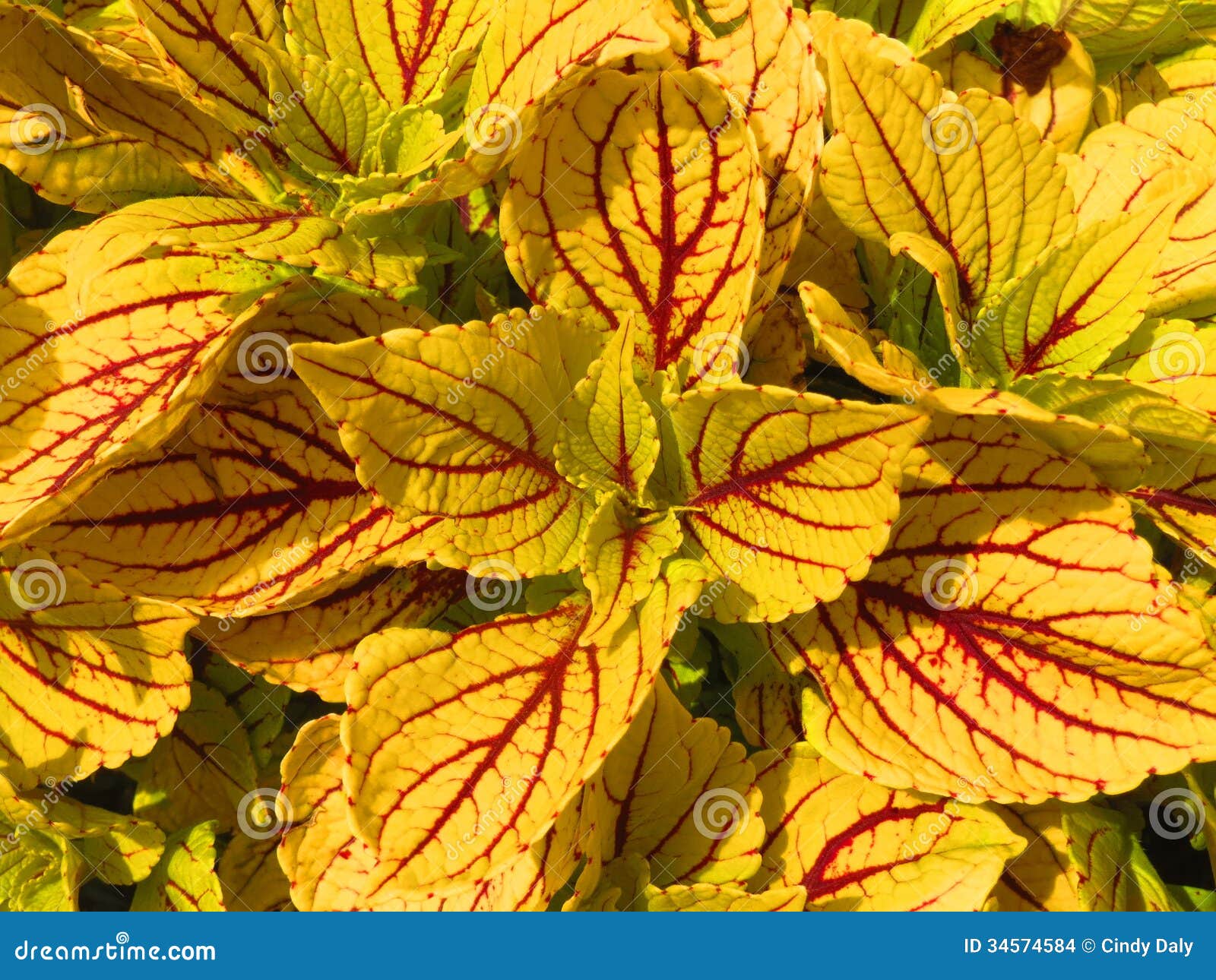
Red and yellow plants have captivated human imagination for centuries, finding expression in a myriad of cultural and artistic traditions. Their vibrant hues have been imbued with symbolic meanings, medicinal properties, and aesthetic beauty, leaving an enduring legacy in art, literature, and everyday life.
Traditional Medicine, Red and yellow plant
In traditional medicine, red and yellow plants have been used for centuries to treat a wide range of ailments. Red plants, such as poppies and roses, have been associated with healing wounds and reducing inflammation. Yellow plants, like turmeric and marigolds, have been employed to treat skin conditions, digestive disorders, and liver problems.
Symbolism
Red and yellow plants have also played a significant role in symbolism. In many cultures, red flowers represent love, passion, and sacrifice, while yellow flowers symbolize joy, happiness, and friendship. In ancient Egypt, the red lotus was associated with the sun god Ra and rebirth, while the yellow sunflower was a symbol of fertility and abundance.
Decorative Arts
The beauty of red and yellow plants has made them popular subjects in decorative arts. In Chinese porcelain, red and yellow glazes have been used to create stunning vases, bowls, and plates. In Japanese textiles, yellow and red silk threads have been woven into intricate kimonos and obi sashes.
Paintings and Sculptures
Red and yellow plants have also been a source of inspiration for painters and sculptors. In the works of Vincent van Gogh, sunflowers and poppies are often depicted with vibrant reds and yellows, conveying a sense of joy and vitality. In the sculptures of Henry Moore, abstract forms are often painted with red and yellow, creating a sense of organic growth and movement.
