The red apple ice plant, with its vibrant foliage and intriguing texture, is a culinary and medicinal wonder that has captured the attention of gourmands and herbalists alike. This remarkable plant, native to South Africa, offers a unique blend of flavors, textures, and potential health benefits that make it a captivating addition to any garden or kitchen.
From its striking appearance to its diverse applications, the red apple ice plant is a plant that demands attention. Its fleshy, apple-shaped leaves, adorned with glistening papillae, add a touch of visual interest to any landscape. As a culinary ingredient, it offers a crisp, slightly salty flavor that complements a wide range of dishes, from salads to stir-fries. But beyond its culinary appeal, the red apple ice plant also holds promise as a medicinal herb, with studies suggesting potential benefits for conditions ranging from inflammation to diabetes.
Plant Description
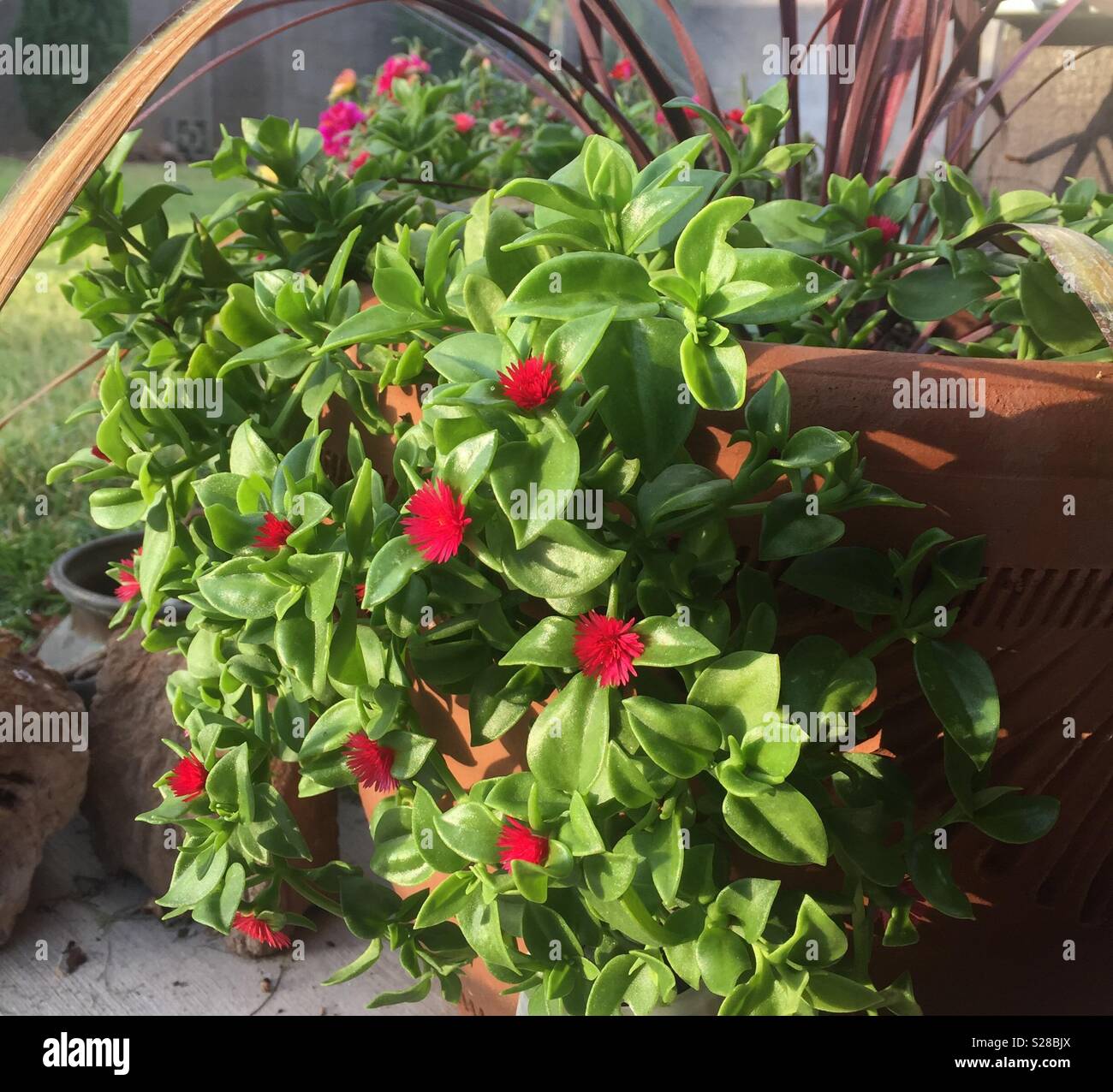
The red apple ice plant, scientifically known as Aptenia cordifolia, is a succulent groundcover that forms a dense mat of foliage. It is native to South Africa and is widely cultivated as an ornamental plant in various regions.
The plant is characterized by its fleshy, heart-shaped leaves that are arranged in an alternate pattern along the stems. The leaves are typically green in color but may develop reddish hues when exposed to full sun. The leaves are smooth and hairless, with a slightly waxy texture.
Growing Habits and Environmental Preferences
The red apple ice plant is a low-growing plant that typically reaches a height of 4-6 inches (10-15 cm). It has a spreading growth habit and can quickly cover a large area when grown in favorable conditions. The plant prefers well-drained soil and full sun to partial shade. It is drought-tolerant and can withstand periods of neglect.
Culinary Applications
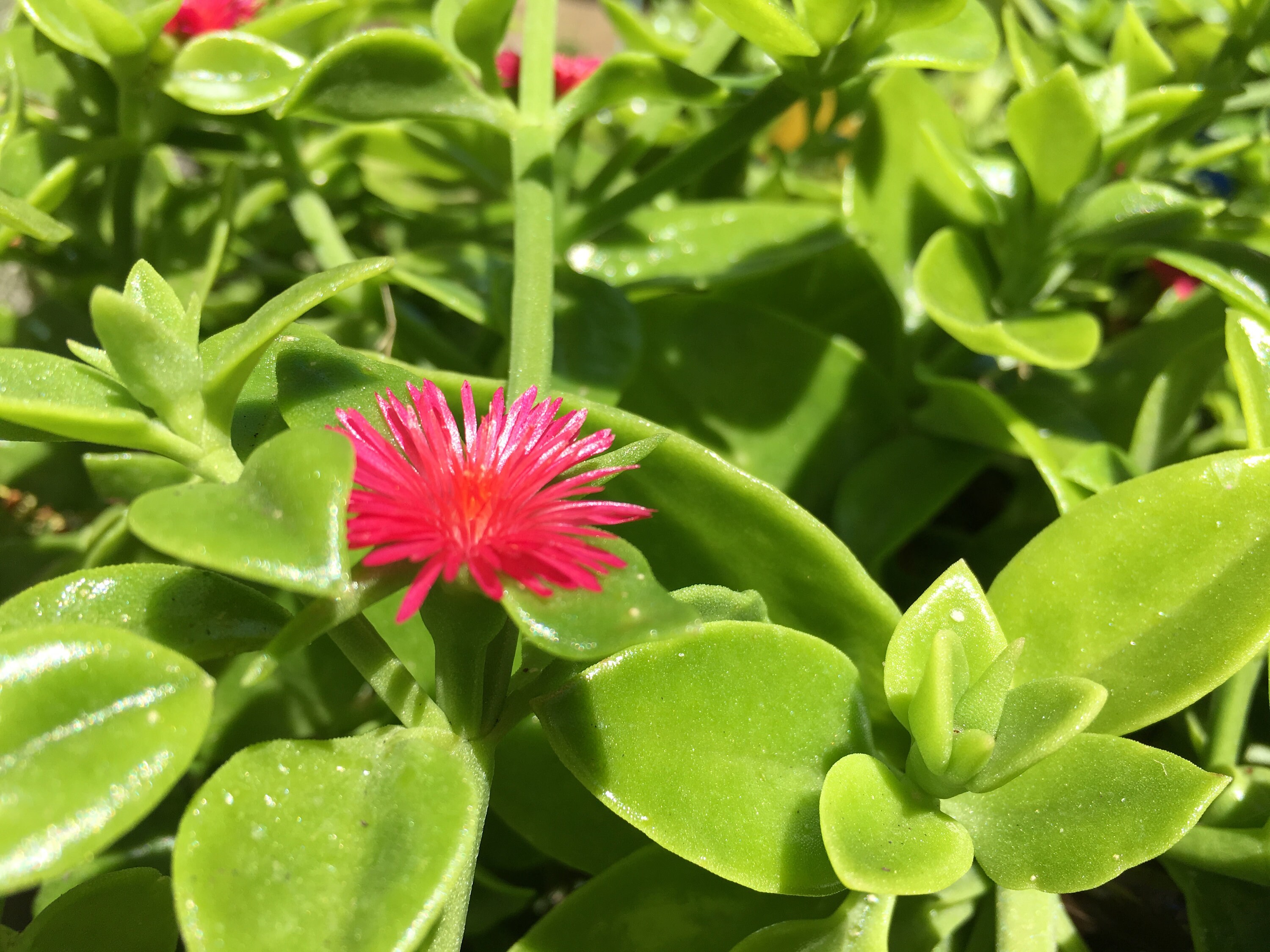
The red apple ice plant offers a unique flavor and texture that can enhance various culinary creations. Its succulent leaves and edible flowers add a tangy, salty, and slightly sour note to dishes.
In many cuisines, the leaves are commonly used in salads, providing a refreshing and flavorful addition. They can also be sautéed or grilled to bring out their slightly salty flavor. The edible flowers, with their vibrant pink or purple hues, can be used as a garnish or added to salads for a touch of color and a subtle floral flavor.
Recipes
- Red Apple Ice Plant Salad: Combine fresh red apple ice plant leaves, sliced cucumbers, diced tomatoes, and crumbled feta cheese. Dress with a light vinaigrette made with olive oil, lemon juice, salt, and pepper.
- Sautéed Red Apple Ice Plant: Heat olive oil in a pan and add the red apple ice plant leaves. Sauté for a few minutes until they begin to wilt and release their juices. Season with salt and pepper to taste.
- Grilled Red Apple Ice Plant: Brush red apple ice plant leaves with olive oil and grill for a few minutes per side, or until they are slightly charred and tender.
Medicinal Properties: Red Apple Ice Plant

Red apple ice plant has gained attention for its potential medicinal benefits. Studies and traditional uses suggest that the plant possesses various properties that may support human health.
Antioxidant Activity, Red apple ice plant
- The plant contains high levels of antioxidants, such as flavonoids and polyphenols, which help protect cells from damage caused by free radicals.
- Research has shown that red apple ice plant extract has antioxidant activity comparable to that of vitamin E, a well-known antioxidant.
Anti-inflammatory Properties
- The plant has demonstrated anti-inflammatory properties, which may be beneficial in reducing inflammation associated with conditions like arthritis and asthma.
- Studies have found that extracts from red apple ice plant can inhibit the production of inflammatory cytokines, which are involved in the inflammatory response.
Antimicrobial Activity
- Red apple ice plant has antimicrobial properties that may help fight against bacteria, viruses, and fungi.
- Research suggests that the plant’s extracts can inhibit the growth of common pathogens like Staphylococcus aureus and Escherichia coli.
Other Potential Benefits
- Wound healing: Traditional uses of red apple ice plant include applying its leaves to wounds to promote healing.
- Skin health: The plant’s antioxidant and anti-inflammatory properties may be beneficial for skin conditions like eczema and psoriasis.
- Cardiovascular health: Some studies suggest that red apple ice plant may have cardioprotective effects, such as lowering blood pressure and improving cholesterol levels.