The red ginger lily plant, a botanical marvel, captivates with its vibrant blooms and intriguing history. Native to Southeast Asia, this tropical beauty boasts a wealth of medicinal and culinary uses that have been cherished for centuries.
Scientifically classified as Alpinia purpurata, the red ginger lily belongs to the Zingiberaceae family. Its striking foliage and delicate flowers make it a popular ornamental plant, while its rhizomes hold significant medicinal properties.
Botanical Overview: Red Ginger Lily Plant
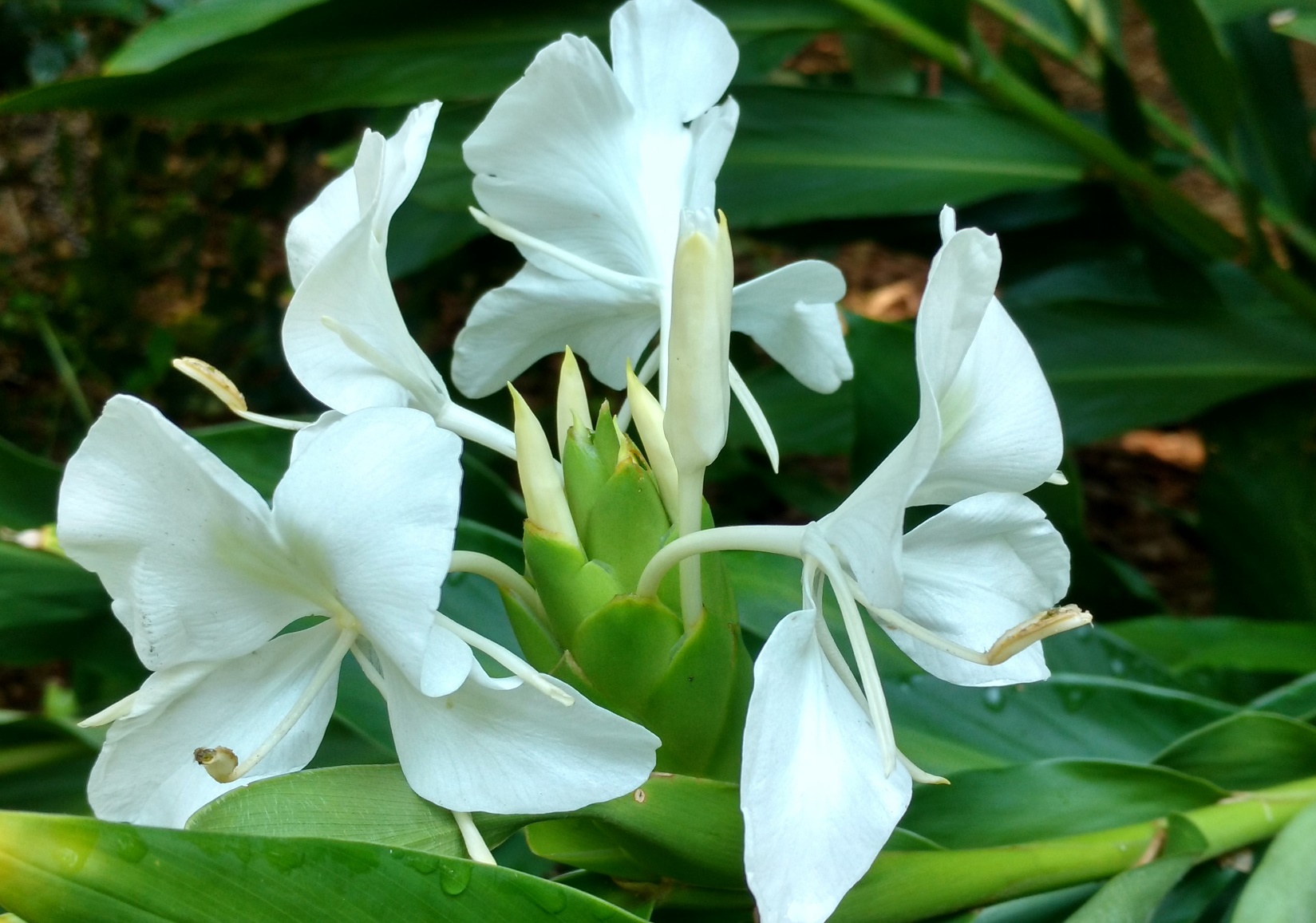
The red ginger lily, scientifically classified as Alpinia purpurata, belongs to the Zingiberaceae family. Originating in Southeast Asia, this tropical plant is known for its stunning red flowers and distinctive foliage.
Red ginger lilies are herbaceous perennials, reaching heights of up to 6 feet (1.8 meters). They possess long, lance-shaped leaves that grow in an upright habit, adding to the plant’s architectural form. The foliage is a vibrant green, providing a striking contrast to the brilliant red flowers.
Flower Structure
The most captivating feature of the red ginger lily is its inflorescence, which is a branched cluster of flowers. Each flower consists of three showy sepals, which are petal-like structures that form the outer layer. The sepals are a deep crimson red, with a velvety texture that adds to their visual appeal.
Inside the sepals are three smaller petals, which are fused together to form a tube-like structure. These petals are white or cream-colored, creating a delicate contrast to the vibrant sepals. The flowers also feature a prominent stamen with a bright yellow anther, adding a touch of cheerfulness to the overall display.
Cultivation and Care

Cultivating red ginger lilies requires specific conditions to ensure optimal growth and vibrant blooms. Understanding their soil preferences, light requirements, and proper watering techniques is crucial for successful cultivation.
Soil Type
- Red ginger lilies thrive in well-drained, slightly acidic soil with a pH range of 5.5 to 6.5.
- Soil should be rich in organic matter, such as compost or peat moss, to provide essential nutrients.
Light Requirements
- These plants prefer partial shade to full shade, with protection from direct sunlight during the hottest part of the day.
- Exposure to excessive sunlight can scorch the leaves and inhibit flowering.
Watering Needs
- Red ginger lilies require consistent moisture, but not waterlogged soil.
- Water regularly, especially during hot, dry weather, allowing the soil to dry slightly between watering.
- Overwatering can lead to root rot, while underwatering can stunt growth and reduce flowering.
Propagation
Propagation of red ginger lilies can be achieved through division or rhizome cuttings.
- Division: Dig up established plants in spring or fall and carefully divide the rhizomes into smaller sections, each with at least one growing point.
- Rhizome Cuttings: Cut healthy rhizomes into 2-3 inch sections and plant them horizontally in well-drained soil.
Pest and Disease Management, Red ginger lily plant
- Red ginger lilies are generally pest-resistant, but they can be susceptible to mealybugs and spider mites.
- To control pests, use insecticidal soap or neem oil.
- Diseases such as leaf spot and rust can occur in humid conditions. Improve air circulation and avoid overwatering to prevent disease.
Uses and Applications
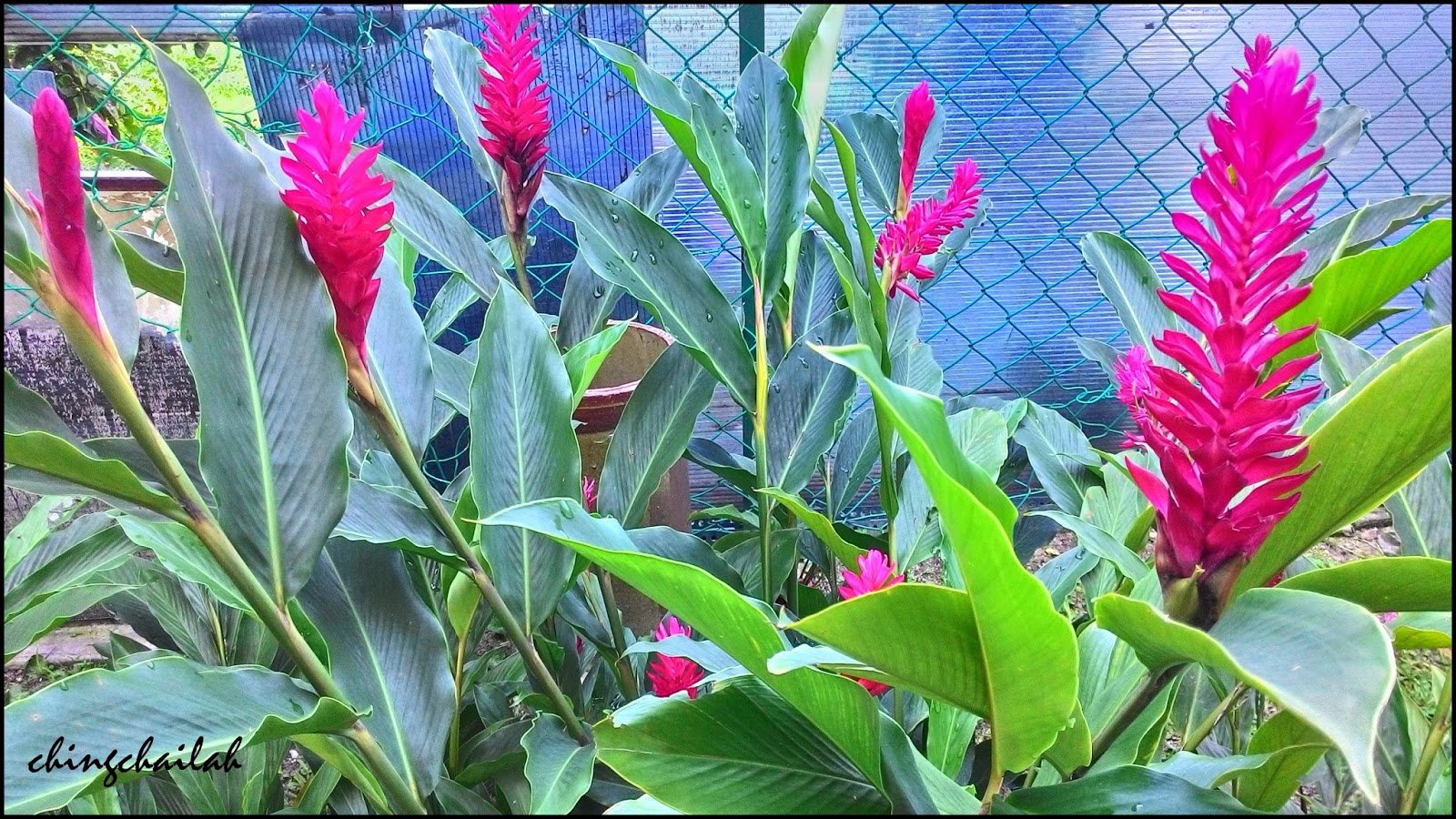
The red ginger lily plant has been utilized in various cultures for centuries, with applications ranging from traditional medicine to culinary delights and ornamental landscaping.
In traditional medicine, the rhizomes and flowers of the red ginger lily have been employed for their purported medicinal properties. The rhizomes are believed to possess anti-inflammatory, analgesic, and antipyretic effects, while the flowers are thought to have diuretic and expectorant properties.
Culinary Applications
The edible flowers and rhizomes of the red ginger lily are also prized in culinary preparations. The flowers, with their delicate flavor and vibrant color, are often used as garnishes or in salads, while the rhizomes can be sliced and added to stir-fries, soups, and curries.
Ornamental Value
The red ginger lily is a popular ornamental plant, admired for its striking foliage and vibrant flowers. The plant’s sword-shaped leaves form a lush clump, while the large, showy flowers bloom in shades of red, orange, and yellow. Red ginger lilies are often used in landscaping to create borders, accentuate pathways, or add a touch of tropical flair to gardens and patios.