Red leaf plants names – Unveiling the enigmatic world of red leaf plants, we embark on a journey to explore their captivating botanical characteristics, diverse species, and aesthetic allure in landscaping. From the vibrant hues of anthocyanins to the influence of environmental factors, this narrative delves into the science and beauty that define these remarkable plants.
Delving into the types of red leaf plants, we present a comprehensive list showcasing their scientific and common names, growth habits, preferred growing conditions, and ornamental value. These plants, categorized as trees, shrubs, and perennials, offer a kaleidoscope of colors and textures to enhance any garden or landscape.
Red Leaf Plants: Botanical Characteristics

The vibrant hues of red leaves are a captivating sight, and the underlying botanical characteristics that produce this coloration are equally fascinating. The key factor responsible for the red pigment in leaves is the presence of anthocyanins, a group of water-soluble pigments that belong to the flavonoid family.
Role of Anthocyanins
Anthocyanins are responsible for the red, purple, and blue colors seen in various plant tissues, including leaves, flowers, and fruits. They are synthesized in the vacuoles of plant cells and can accumulate in large quantities, resulting in the intense red coloration of leaves.
The specific shade of red produced by anthocyanins depends on factors such as the pH of the cell vacuole, the presence of other pigments, and the concentration of anthocyanins. In acidic conditions, anthocyanins appear red, while in alkaline conditions, they turn blue or purple.
In addition to anthocyanins, other pigments such as carotenoids and chlorophyll also contribute to the overall color of leaves. Carotenoids, which are yellow, orange, or red pigments, are present in all leaves but are often masked by the green color of chlorophyll. During autumn, when chlorophyll breaks down, carotenoids become more visible, contributing to the vibrant fall foliage.
Influence of Environmental Factors, Red leaf plants names
Environmental factors, such as light intensity and temperature, play a significant role in the development of red leaf coloration. High light intensity promotes the production of anthocyanins, resulting in more intense red colors. This is because light acts as a signal that triggers the synthesis of anthocyanins.
Temperature also affects leaf coloration. In general, cooler temperatures favor the production of anthocyanins, while warmer temperatures inhibit it. This is why red leaf plants are often found in areas with cooler climates or during the cooler months of the year.
Other factors, such as water availability, nutrient availability, and genetic factors, can also influence leaf coloration. However, the primary determinant of red leaf coloration remains the presence of anthocyanins and the influence of environmental factors on their production.
Types of Red Leaf Plants
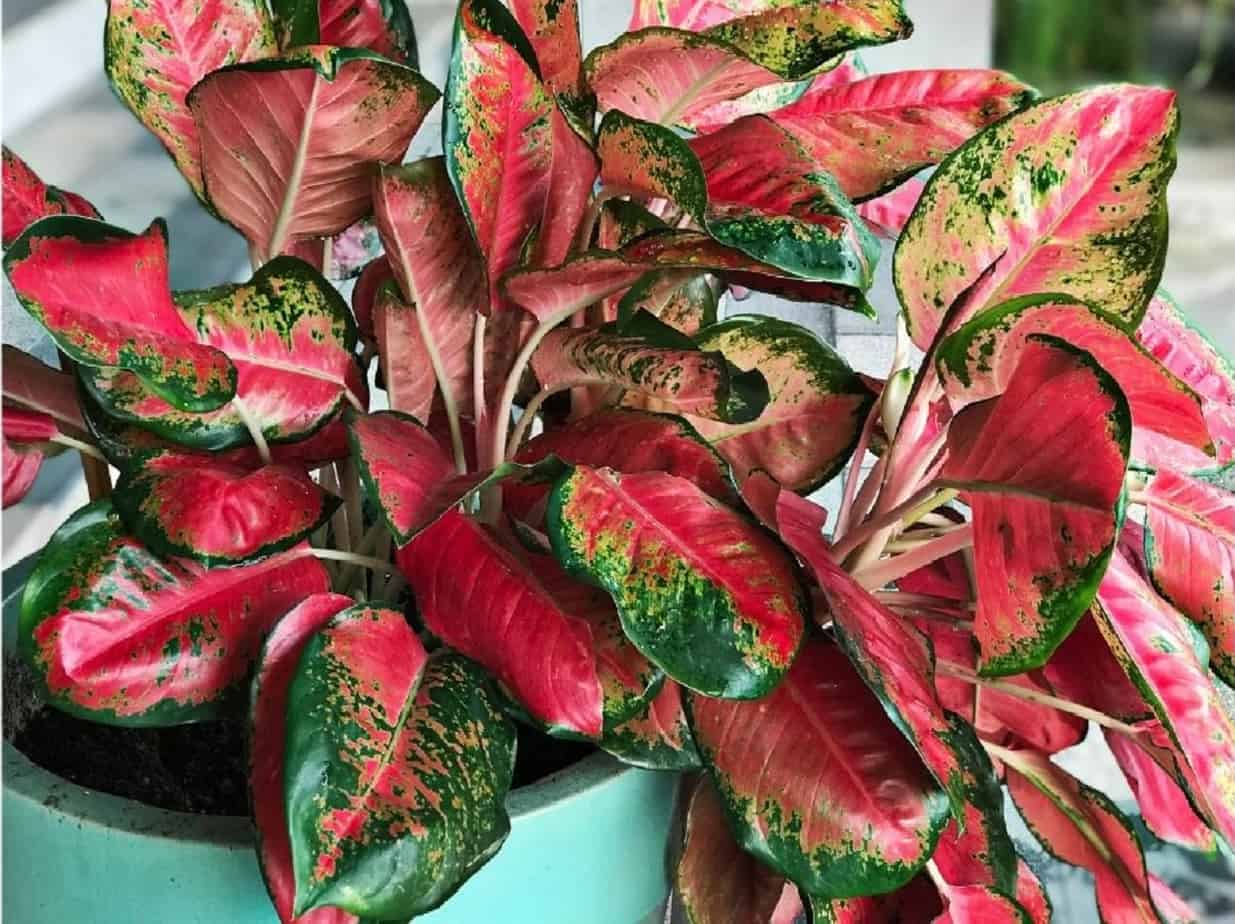
Red leaf plants, characterized by their striking foliage, add vibrancy and visual interest to any landscape. These plants come in a wide variety of species, each with its own unique growth habits, preferred growing conditions, and ornamental value. To help you navigate the diverse world of red leaf plants, here’s a comprehensive list organized into categories based on plant type:
Trees
- Japanese Maple (Acer palmatum): Known for its graceful form and deeply lobed leaves that turn vibrant shades of red in autumn.
- Bloodgood Japanese Maple (Acer palmatum ‘Bloodgood’): A popular cultivar with deep burgundy-red leaves throughout the growing season.
- Redbud (Cercis canadensis): A small tree with heart-shaped leaves that emerge red in spring and turn green in summer.
- Smoke Tree (Cotinus coggygria): Features fluffy, smoke-like flower clusters and reddish-purple leaves.
- Amur Maple (Acer ginnala): A hardy tree with trifoliate leaves that turn brilliant scarlet in fall.
Shrubs
- Barberry (Berberis thunbergii): A compact shrub with glossy red leaves that provide year-round interest.
- Redvein Enkianthus (Enkianthus campanulatus): A deciduous shrub with bell-shaped flowers and red-veined leaves that turn crimson in fall.
- Ninebark (Physocarpus opulifolius): A low-maintenance shrub with exfoliating bark and reddish-purple leaves.
- Japanese Pieris (Pieris japonica): An evergreen shrub with glossy, lance-shaped leaves that emerge red in spring.
- Loropetalum (Loropetalum chinense): A semi-evergreen shrub with strap-like leaves that turn reddish-bronze in winter.
Perennials
- Red-Hot Poker (Kniphofia uvaria): A striking perennial with upright, sword-like leaves and poker-shaped flower spikes in shades of red.
- Coral Bells (Heuchera): A versatile perennial with a wide range of leaf colors, including shades of red, purple, and bronze.
- Japanese Anemone (Anemone x hybrida): A fall-blooming perennial with daisy-like flowers and reddish-green foliage.
- Astilbe (Astilbe): A moisture-loving perennial with feathery plumes of flowers in shades of red, pink, and purple.
- Beebalm (Monarda): A fragrant perennial with showy flower heads in shades of red, pink, and purple.
Red Leaf Plants in Landscaping: Red Leaf Plants Names

Red leaf plants are a popular choice for landscaping due to their vibrant and eye-catching foliage. They add a splash of color to any garden or landscape and can be used in a variety of ways.
One of the most popular uses for red leaf plants is as a focal point. A single red leaf plant can be planted in the center of a garden or landscape and surrounded by other plants with green or variegated foliage. This will create a stunning contrast and draw attention to the red leaf plant.
Red leaf plants can also be used as accent plants. They can be planted in groups or rows to create a border or edging around a garden or landscape. They can also be used to highlight a particular feature, such as a fountain or statue.
Red leaf plants can also be used as companion plantings. They can be planted with other plants that have green or variegated foliage to create a more interesting and dynamic look. They can also be planted with other plants that have red flowers or foliage to create a more cohesive and unified look.
