The salt and pepper plant, a culinary and medicinal marvel, has captivated taste buds and healed ailments for centuries. From its intriguing botanical characteristics to its diverse culinary uses and potential health benefits, this versatile plant holds a special place in human history and well-being.
Botanically, the salt and pepper plant exhibits distinct physical features and growth habits, varying among its different varieties. Its culinary versatility extends to both salt and pepper, each with unique flavor profiles that enhance countless dishes. Beyond its culinary significance, the salt and pepper plant possesses medicinal properties that have been traditionally employed for various health concerns.
Botanical Characteristics: Salt And Pepper Plant
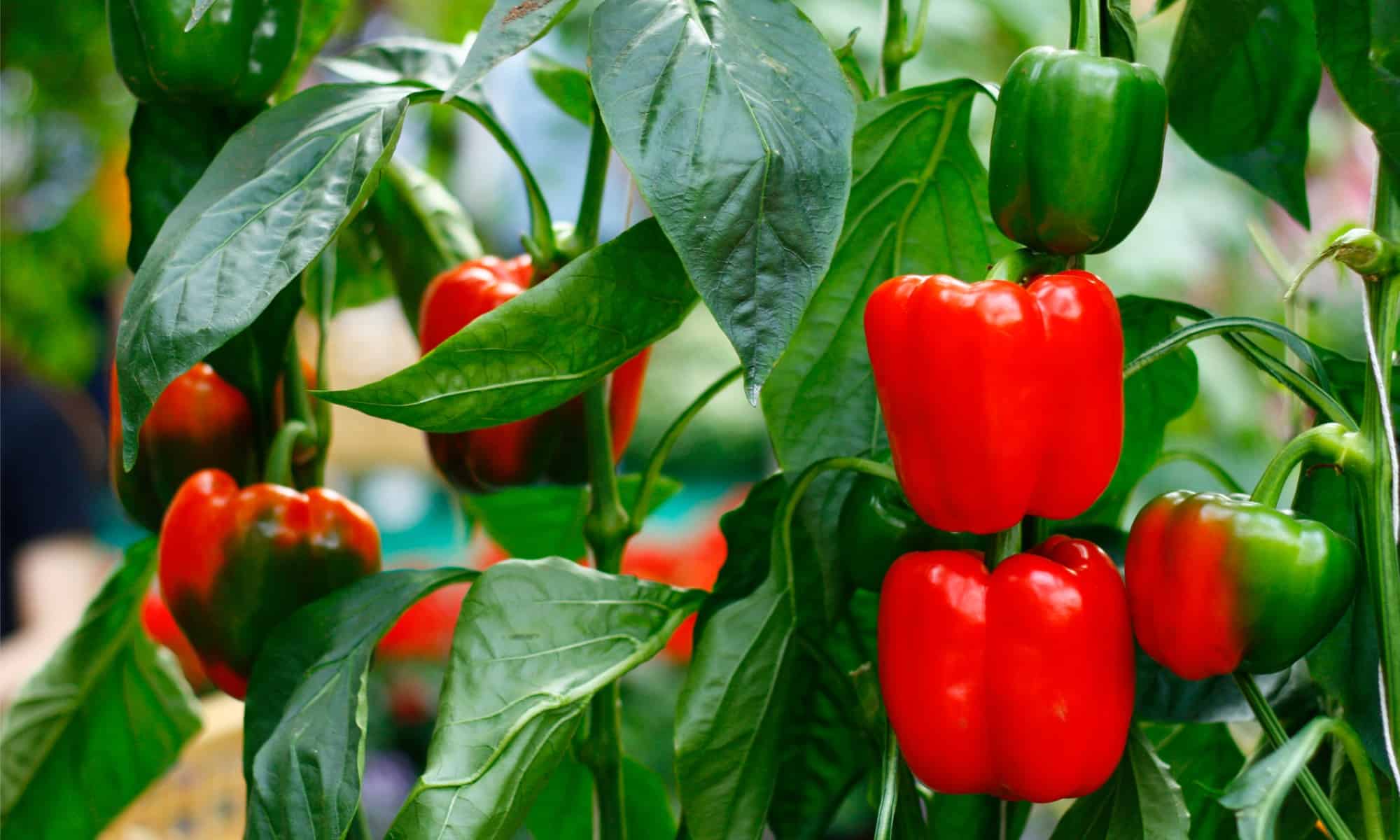
Salt and pepper plants, also known as Piper nigrum, are climbing vines belonging to the Piperaceae family. Native to the tropical regions of South India, these plants have distinctive physical characteristics that set them apart.
Growth Habit
Salt and pepper plants are perennial vines that can grow up to 10-15 meters in length. They possess woody stems with nodes and internodes, from which aerial roots emerge. These roots aid in the plant’s ability to climb and anchor itself to supports.
Leaves
The leaves of salt and pepper plants are simple, alternate, and ovate in shape. They have a leathery texture and a glossy surface. The leaves are arranged in a spiral pattern along the stem and can reach a length of 10-15 centimeters.
Flowers
Salt and pepper plants produce small, inconspicuous flowers that are arranged in dense spikes. The flowers are bisexual, meaning they contain both male and female reproductive organs. The spikes are typically 5-10 centimeters long and are borne on short stalks.
Fruit
The fruit of the salt and pepper plant is a small, round berry known as a peppercorn. Peppercorns are initially green but turn red when ripe. They contain a single seed and are used as a spice in cooking.
Varieties, Salt and pepper plant
There are several varieties of salt and pepper plants, each with its own unique characteristics. Some of the most common varieties include:
- Black pepper (Piper nigrum): The most common variety, known for its strong, pungent flavor. Black peppercorns are obtained from unripe berries that have been dried and fermented.
- White pepper (Piper nigrum): White peppercorns are obtained from ripe berries that have been soaked in water to remove the outer skin. They have a milder flavor than black pepper.
- Green pepper (Piper nigrum): Green peppercorns are obtained from unripe berries that have been preserved in brine or vinegar. They have a fresh, herbaceous flavor.
- Red pepper (Piper nigrum): Red peppercorns are obtained from fully ripe berries that have been dried. They have a sweet and fruity flavor.
Cultivation Requirements
Salt and pepper plants require warm, humid conditions to thrive. They prefer well-drained soil that is rich in organic matter. The plants should be provided with support to climb and should be protected from strong winds.
Salt and pepper plants are propagated by cuttings or by planting seeds. The seeds should be sown in a warm, moist seedbed and transplanted to their permanent location once they have developed a few true leaves.
Salt and pepper plants are relatively easy to grow and can be cultivated in a variety of climates. However, they are susceptible to a number of pests and diseases, including aphids, spider mites, and powdery mildew.
Culinary Uses

Salt and pepper are indispensable seasonings in kitchens worldwide, elevating the flavors of countless dishes. Their versatility extends from enhancing savory meals to complementing sweet treats, making them a cornerstone of culinary creations.
Salt, with its characteristic salty taste, balances and intensifies other flavors. Different salt varieties offer distinct flavor profiles, from the mildness of sea salt to the pungency of Himalayan pink salt. Pepper, on the other hand, adds a spicy kick with its piquant flavor. Black pepper is the most common variety, while white, green, and pink peppercorns offer varying degrees of heat and complexity.
Recipes
- Salt-Crusted Roasted Chicken: A whole chicken seasoned with salt and roasted to perfection, resulting in a crispy skin and juicy, flavorful meat.
- Peppered Steak: Steak seasoned with a generous amount of black pepper, creating a flavorful and tender cut.
- Salted Caramel Ice Cream: A sweet and savory dessert where the salt enhances the richness of the caramel, creating a balanced and delectable treat.
Health Benefits and Medicinal Properties

Salt and pepper are common household spices that offer various health benefits. Salt, primarily composed of sodium chloride, plays a crucial role in maintaining fluid balance and nerve function. Pepper, derived from the Piper nigrum plant, contains piperine, an alkaloid that imparts its characteristic pungency and offers antioxidant and anti-inflammatory properties.
Consuming moderate amounts of salt and pepper can support overall health. Salt helps regulate blood pressure and muscle function. It also aids in hydration by retaining water in the body. Pepper, on the other hand, has antioxidant effects that protect against cellular damage caused by free radicals. Its anti-inflammatory properties may alleviate pain and discomfort associated with conditions like arthritis.
Medicinal Properties and Traditional Uses
Traditionally, salt and pepper have been used for medicinal purposes. Salt has been employed as a natural antiseptic and wound healer. It is also used in traditional Chinese medicine to treat conditions like sore throats and skin infections. Pepper has been used in Ayurvedic medicine to enhance digestion and relieve respiratory issues.
Recommended Daily Intake
The recommended daily intake of salt and pepper varies depending on individual health needs and preferences. For most adults, the recommended daily intake of salt is less than 2,300 milligrams. Excessive salt consumption can lead to high blood pressure and other health concerns. The recommended daily intake of pepper is not strictly defined, but moderate consumption is generally considered safe.