Snake plant root rot, a common yet treatable issue, can severely impact the health of your beloved snake plant. This comprehensive guide delves into the symptoms, treatment, and prevention of root rot, empowering you to restore your snake plant to its vibrant glory.
Root rot occurs when the roots of your snake plant become infected with fungi or bacteria, leading to a range of symptoms that can compromise the plant’s health.
Snake Plant Root Rot Symptoms
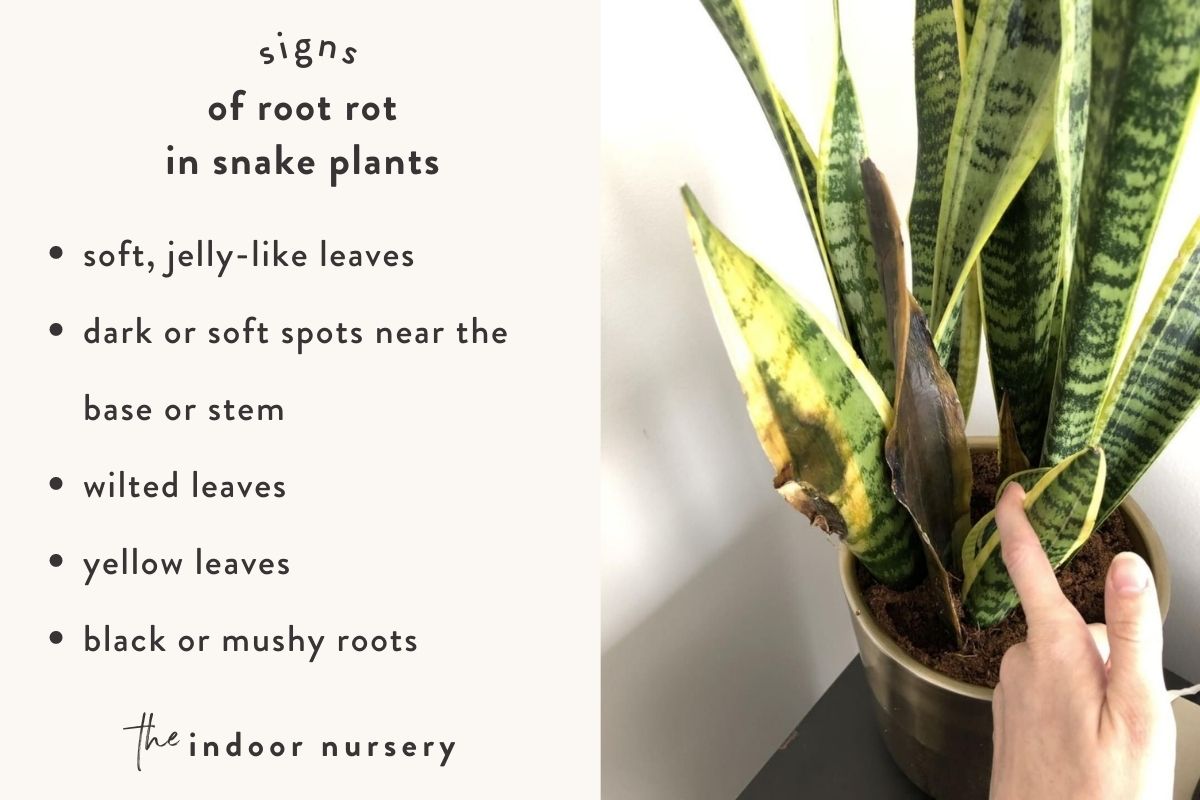
Snake plant root rot is a common problem that can be caused by overwatering, poor drainage, or a combination of both. The symptoms of root rot can vary depending on the severity of the condition, but some of the most common include:
- Yellowing or wilting leaves
- Soft, mushy roots
- Brown or black discoloration of the roots
- Stunted growth
- Loss of vigor
If you suspect that your snake plant has root rot, it is important to take action immediately. The first step is to remove the plant from its pot and inspect the roots. If the roots are soft, mushy, or discolored, then the plant has root rot.
Causes of Root Rot
Root rot is caused by a fungus that thrives in moist, poorly drained soil. The fungus attacks the roots of the plant, causing them to rot and eventually die. Overwatering is the most common cause of root rot, but it can also be caused by poor drainage, which can lead to waterlogged soil.
Snake Plant Root Rot Treatment
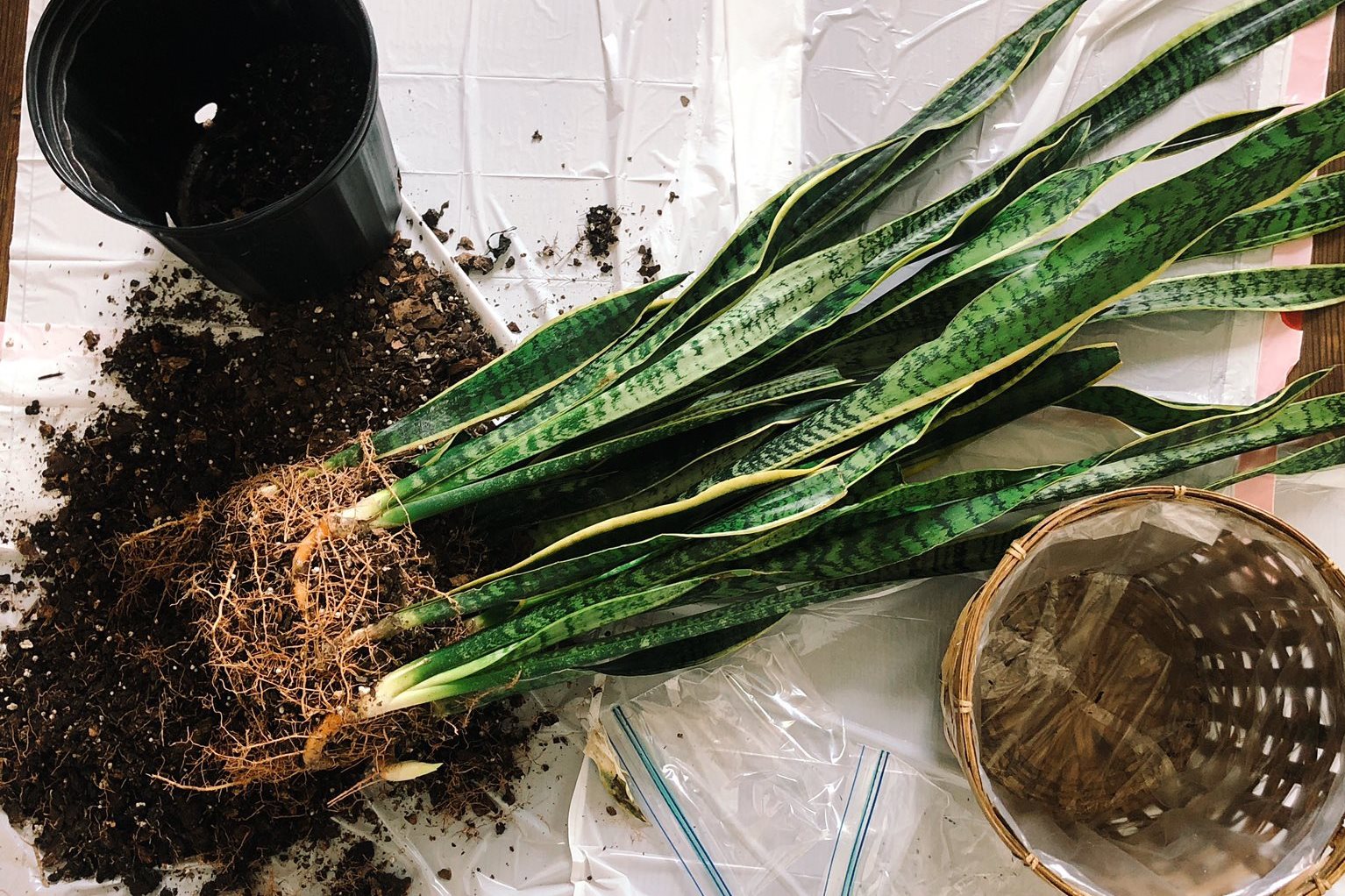
Treating root rot in snake plants involves addressing the underlying cause and preventing further spread of the infection. Here are some effective methods:
Step-by-Step Treatment
1. Remove the plant from its pot: Gently remove the plant from the pot and examine the roots.
2. Inspect the roots: Look for signs of root rot, such as mushy, discolored, or foul-smelling roots.
3. Remove infected roots: Using a sharp, sterile knife or pruning shears, carefully remove all infected roots. Cut away any roots that are brown, black, or mushy.
4. Repot in fresh soil: Choose a well-draining potting mix and a pot with drainage holes. Repot the plant in the fresh soil, ensuring that the roots are not buried too deeply.
5. Water sparingly: Water the plant only when the soil is dry to the touch. Overwatering can contribute to root rot.
6. Avoid fertilizers: Fertilizers can stimulate root growth, which can be detrimental to a plant with root rot. Avoid fertilizing until the plant has fully recovered.
Importance of Removing Infected Roots and Repotting
Removing infected roots is crucial to prevent the spread of root rot. Diseased roots can harbor pathogens that can infect healthy roots and eventually kill the plant. Repotting in fresh soil helps remove contaminated soil and provides a clean environment for the plant to recover.
Snake Plant Root Rot Prevention
Preventing root rot in snake plants is crucial for maintaining their health and longevity. By adhering to proper watering techniques, choosing the right soil and pot, and providing optimal growing conditions, you can minimize the risk of root rot and ensure your snake plant thrives.
Watering Techniques
- Water snake plants thoroughly but infrequently. Allow the soil to dry out completely between waterings, as overwatering is a leading cause of root rot.
- Use a moisture meter to check the soil moisture level before watering. Insert the meter into the soil and wait for the reading. Water only if the meter indicates that the soil is dry.
- Avoid getting water on the leaves of the snake plant, as this can lead to fungal diseases.
Soil and Pot Selection, Snake plant root rot
Snake plants prefer well-draining soil that allows excess water to drain away easily. A cactus or succulent potting mix is a good option, as it is specifically designed to drain well and prevent waterlogging.
Choose a pot with drainage holes to allow excess water to escape. Avoid using pots without drainage holes, as these can trap water and lead to root rot.