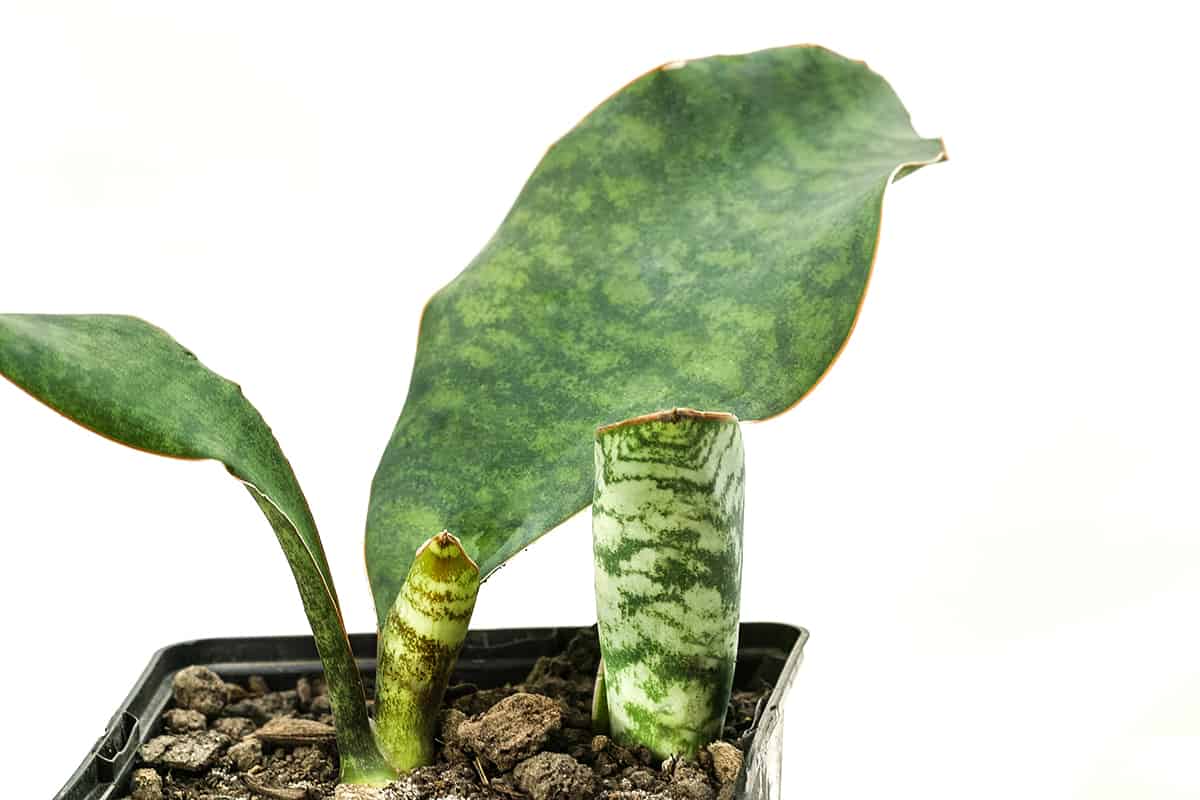
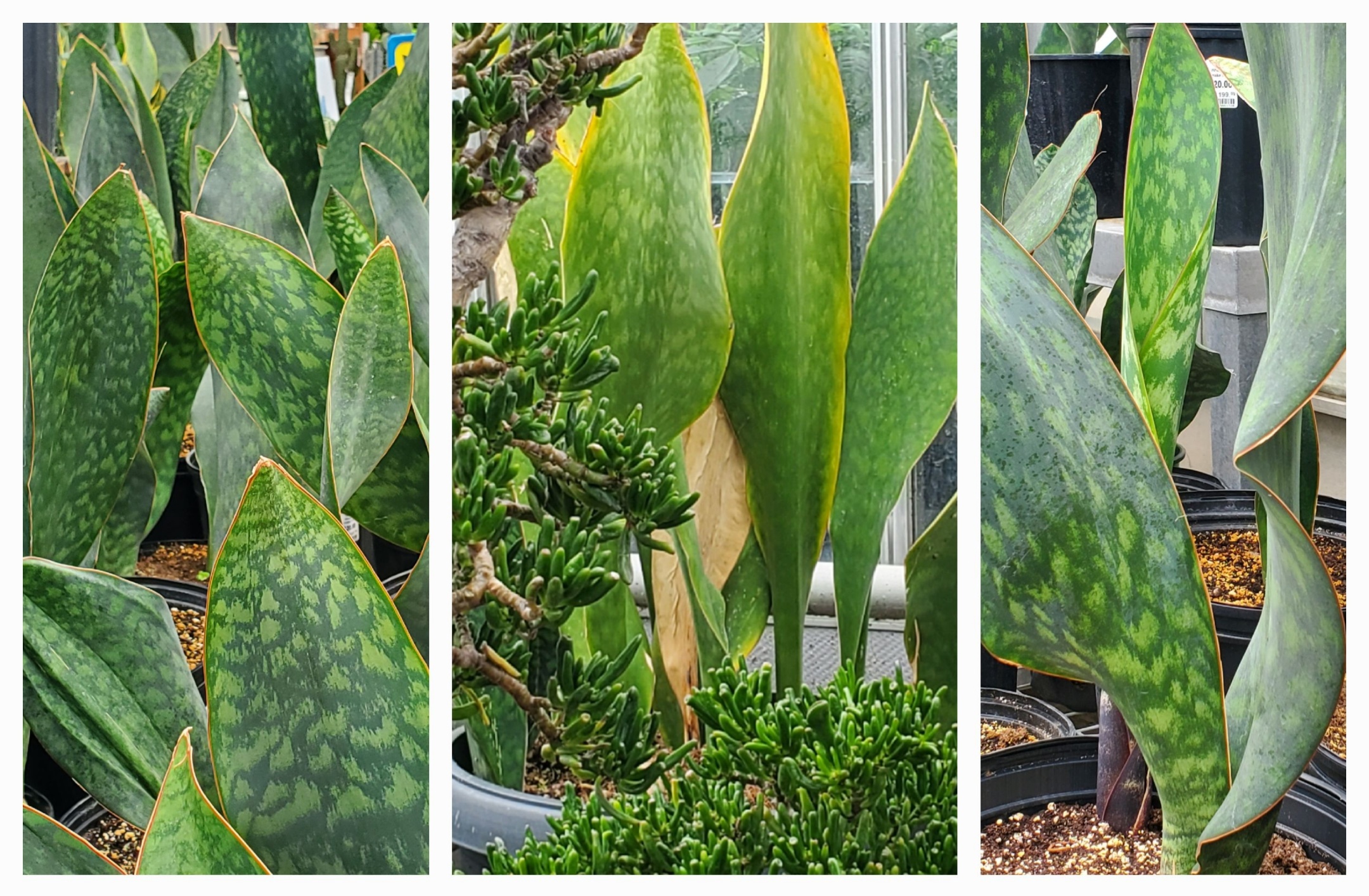
The Snake Plant Whale Fin, scientifically known as Sansevieria masoniana, is a captivating succulent that stands out with its striking whale fin-like leaves. With its origins in tropical Africa, this plant boasts an impressive range of physical attributes, care requirements, and decorative applications.
Unveiling the distinctive characteristics of the Snake Plant Whale Fin, its origins and botanical classification, as well as its growth patterns and environmental needs, we delve into the fascinating world of this unique plant.
Snake Plant Whale Fin Characteristics

The Snake Plant Whale Fin (Sansevieria masoniana ‘Whale Fin’) stands out with its unique physical attributes, making it a popular choice for plant enthusiasts. This succulent plant boasts an impressive size, reaching heights of up to 4 feet (1.2 meters) with a width of 1-2 feet (0.3-0.6 meters). Its sword-like leaves are the defining feature, growing erect and resembling whale fins. These leaves are dark green in color with lighter green or yellow stripes running horizontally across their surface, adding to their visual appeal.
Origins and Botanical Classification
The Snake Plant Whale Fin belongs to the genus Sansevieria, a group of succulent plants native to tropical and subtropical regions of Africa, Madagascar, and Asia. It is a member of the Asparagaceae family, which also includes asparagus, garlic, and onions.
Growth Patterns and Environmental Requirements, Snake plant whale fin
The Snake Plant Whale Fin exhibits a slow to moderate growth rate, producing new leaves from its base. It prefers bright, indirect light but can tolerate low light conditions. As a succulent, it stores water in its leaves, making it drought-tolerant and ideal for those who may forget to water their plants regularly. The plant thrives in well-drained soil and prefers temperatures between 60-80°F (15-27°C). Avoid overwatering, as this can lead to root rot.
Snake Plant Whale Fin Care and Propagation
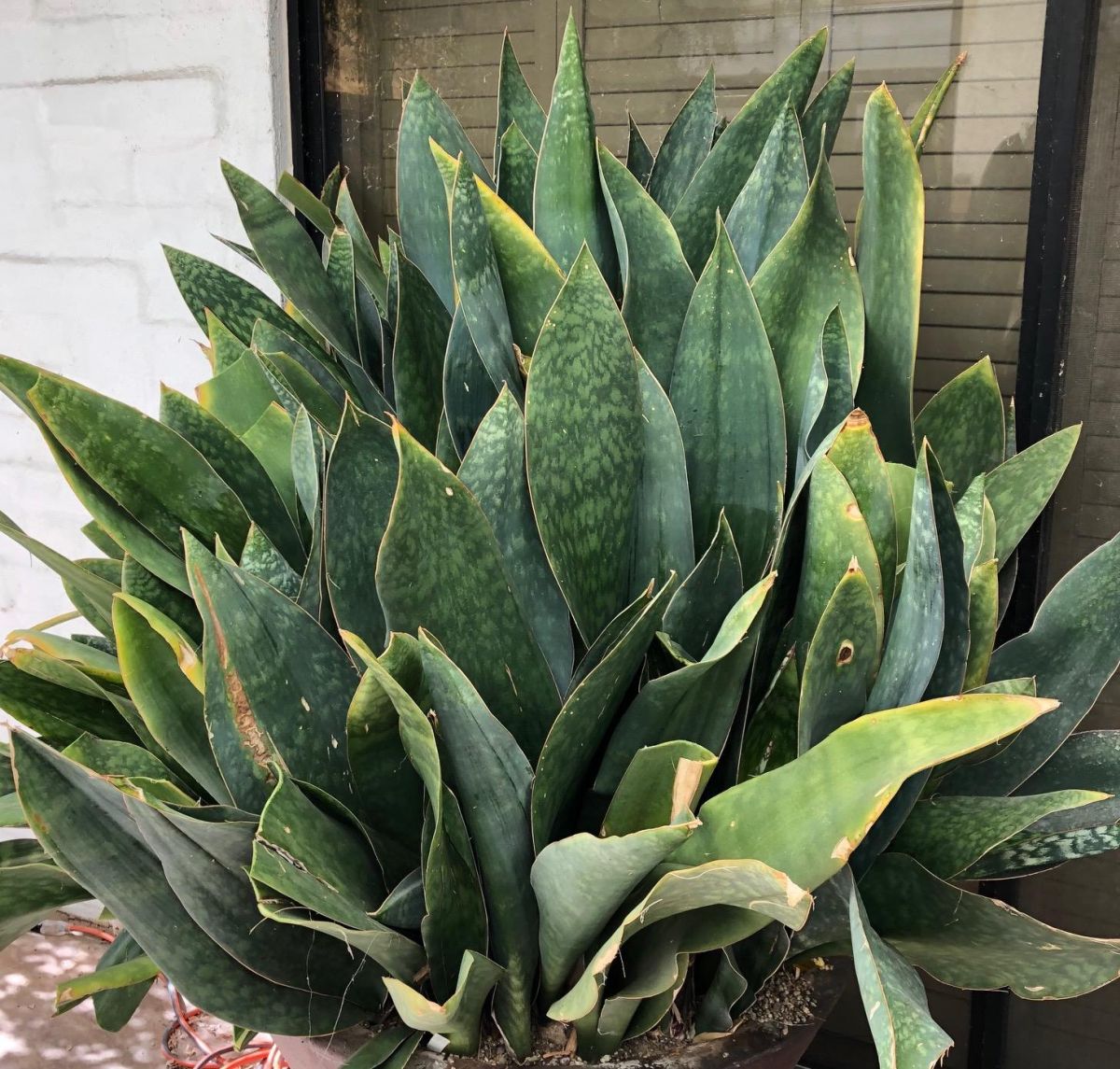
Maintaining the health and vigor of a Snake Plant Whale Fin requires proper care practices. This involves understanding its specific needs regarding watering, lighting, and soil conditions. Additionally, propagating the plant ensures its continuation and allows for the creation of new plants. This section will delve into the intricacies of Snake Plant Whale Fin care and propagation, empowering you with the knowledge to nurture a thriving plant.
Watering
Snake Plant Whale Fin has a succulent nature, indicating its ability to store water within its leaves. Therefore, it prefers infrequent watering, allowing the soil to dry out completely between waterings. Overwatering can lead to root rot, a detrimental condition that can compromise the plant’s health. During the growing season (spring and summer), water the plant thoroughly, allowing excess water to drain from the drainage holes. In the fall and winter, reduce watering even further, allowing the soil to remain dry for extended periods.
Lighting
Snake Plant Whale Fin thrives in bright, indirect light. Direct sunlight can scorch its leaves, leading to discoloration and damage. East- or west-facing windows provide ideal lighting conditions, offering ample light without the harshness of direct sunlight. If natural light is limited, consider using artificial grow lights to supplement the plant’s light requirements.
Soil Conditions
Well-draining soil is crucial for Snake Plant Whale Fin to prevent waterlogging and root rot. A cactus or succulent potting mix is a suitable option, as it provides the necessary drainage while retaining moisture. You can also create your own soil mix by combining regular potting soil with perlite or pumice to enhance drainage.
Propagation
Propagating Snake Plant Whale Fin can be achieved through two primary methods: division and leaf cuttings. Division involves separating the plant into smaller sections, each with its own root system. Leaf cuttings involve taking a healthy leaf from the mother plant and rooting it in soil or water.
- Division: Carefully remove the Snake Plant Whale Fin from its pot and gently separate the individual sections. Each section should have a healthy root system. Plant the separated sections in individual pots filled with well-draining soil.
- Leaf Cuttings: Select a healthy leaf from the mother plant and cut it near the base. Remove the lower leaves from the cutting and insert the cut end into a pot filled with moist soil or water. Keep the cutting in a warm, well-lit location and wait for roots to develop.
Troubleshooting Common Problems
- Yellowing Leaves: Overwatering or poor drainage can lead to yellowing leaves. Allow the soil to dry out completely between waterings and ensure the pot has adequate drainage.
- Brown Leaf Tips: Dry air or underwatering can cause brown leaf tips. Increase humidity around the plant by misting it regularly or placing it on a tray filled with pebbles and water. Water the plant more frequently, but allow the soil to dry out between waterings.
- Root Rot: Overwatering or poorly draining soil can lead to root rot. Remove the plant from the pot and inspect the roots. If the roots are black or mushy, the plant may have root rot. Cut away the affected roots and repot the plant in fresh, well-draining soil.