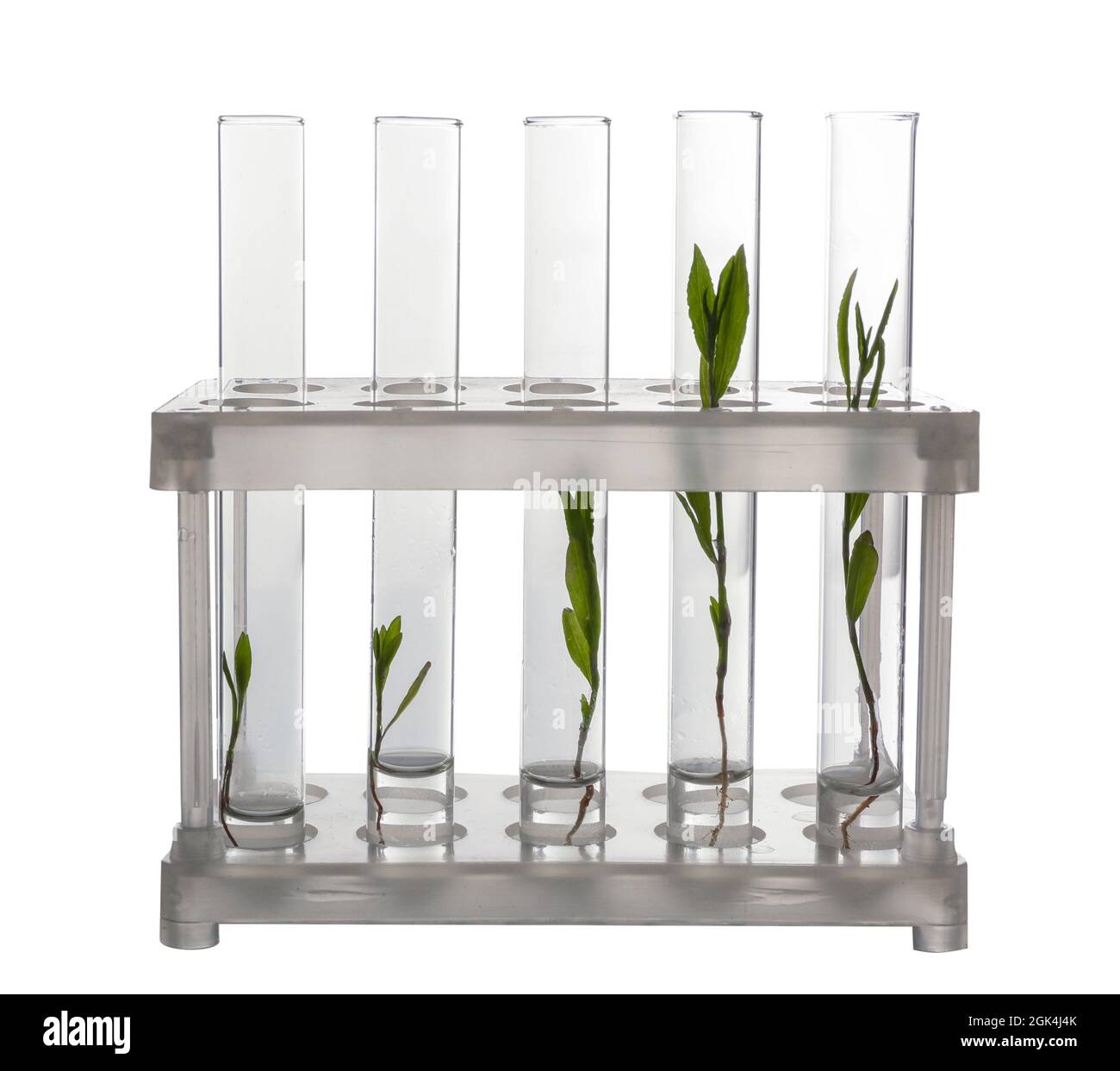
Test tubes for plants, an innovative technique in plant propagation, offer a fascinating and scientific approach to cultivating plants. This method provides a controlled environment, allowing for precise monitoring and manipulation of growth conditions, leading to healthier and more robust plants.
In this comprehensive guide, we delve into the advantages, types, and care techniques involved in using test tubes for plant propagation. Discover the secrets to successful plant growth in these miniature glass containers and unlock the potential for thriving indoor gardens.
Test Tube Plant Propagation
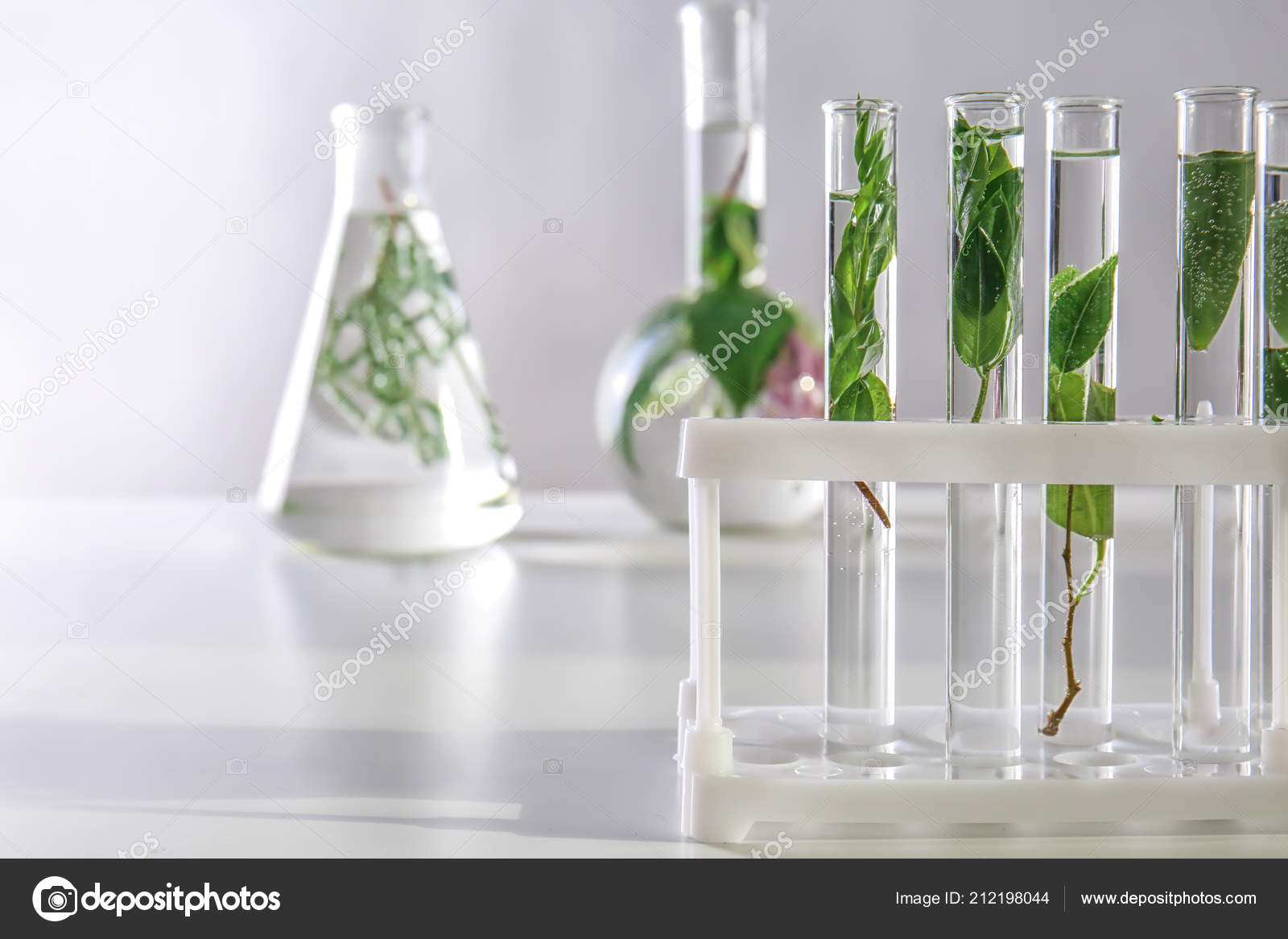
Test tube plant propagation is a technique that involves growing plants in glass test tubes. This method offers several advantages over traditional propagation methods, including:
- Controlled environment: Test tubes provide a sterile and controlled environment for plant growth, reducing the risk of contamination and disease.
- Space efficiency: Test tubes take up minimal space, making them ideal for propagating plants in small areas or in indoor environments.
- Observation: The transparent nature of test tubes allows for easy observation of plant growth and development.
Setting Up a Test Tube Plant Propagation System
To set up a test tube plant propagation system, you will need the following materials:
- Test tubes
- Growing medium (e.g., agar, vermiculite)
- Plant cuttings or seeds
- Sterilizing solution (e.g., bleach, hydrogen peroxide)
Instructions:
- Sterilize the test tubes and growing medium by soaking them in a sterilizing solution for 30 minutes.
- Fill the test tubes with the growing medium, leaving about 1 inch of space at the top.
- Take cuttings from healthy plants or sow seeds in the growing medium.
- Seal the test tubes with cotton plugs or parafilm.
- Place the test tubes in a well-lit area, but avoid direct sunlight.
- Light: Provide 12-16 hours of indirect light per day.
- Temperature: Keep the temperature between 65-75°F (18-24°C).
- Moisture: Keep the growing medium moist but not waterlogged.
- Ventilation: Provide some ventilation by leaving the cotton plugs slightly loose.
- Advantages: Glass test tubes are transparent, allowing you to easily observe the roots of your plants. They are also reusable, making them a more economical option in the long run.
- Disadvantages: Glass test tubes can be heavy and fragile, making them difficult to handle. They can also be difficult to clean, especially if they become contaminated with algae or other microorganisms.
- Advantages: Plastic test tubes are lightweight and durable, making them easy to handle. They are also less likely to break than glass test tubes, making them a safer option for children and beginners.
- Disadvantages: Plastic test tubes are not as transparent as glass test tubes, making it more difficult to observe the roots of your plants. They are also not reusable, so they are a less economical option in the long run.
- The size of the plant’s root system: The test tube should be large enough to accommodate the plant’s roots without overcrowding them.
- The shape of the plant’s root system: Some plants have long, trailing roots, while others have short, compact roots. Choose a test tube that is shaped appropriately for the plant’s root system.
- The type of plant you are propagating: Some plants are more tolerant of being propagated in test tubes than others. Do some research on the specific plant you are propagating to determine if it is suitable for test tube propagation.
- Light: Adequate light is essential for photosynthesis. Fluorescent or LED lights can provide artificial lighting.
- Temperature: Most plants prefer temperatures between 68-77°F (20-25°C).
- Humidity: High humidity is important to prevent desiccation. A closed test tube with a breathable cap can maintain humidity.
- Aeration: Regular ventilation is necessary to prevent the buildup of harmful gases and promote root respiration.
- Nutrient deficiency: Yellowing leaves or stunted growth may indicate nutrient deficiency. Adjust the nutrient solution.
- Disease: Brown or black spots on leaves may indicate disease. Remove affected plants and sterilize the test tube.
- Environmental stress: Wilting or leaf curling may indicate environmental stress. Adjust light, temperature, or humidity levels.
Maintaining Optimal Conditions for Plant Growth in Test Tubes
To ensure optimal growth, maintain the following conditions in the test tubes:
Types of Test Tubes for Plants

Test tubes come in a variety of shapes and sizes, each with its own advantages and disadvantages for plant propagation. The type of test tube you choose will depend on the specific plant species you are propagating, as well as the size and shape of the plant’s root system.
Glass Test Tubes, Test tubes for plants
Plastic Test Tubes
Choosing the Right Test Tube
When choosing a test tube for plant propagation, it is important to consider the following factors:
Plant Care in Test Tubes: Test Tubes For Plants
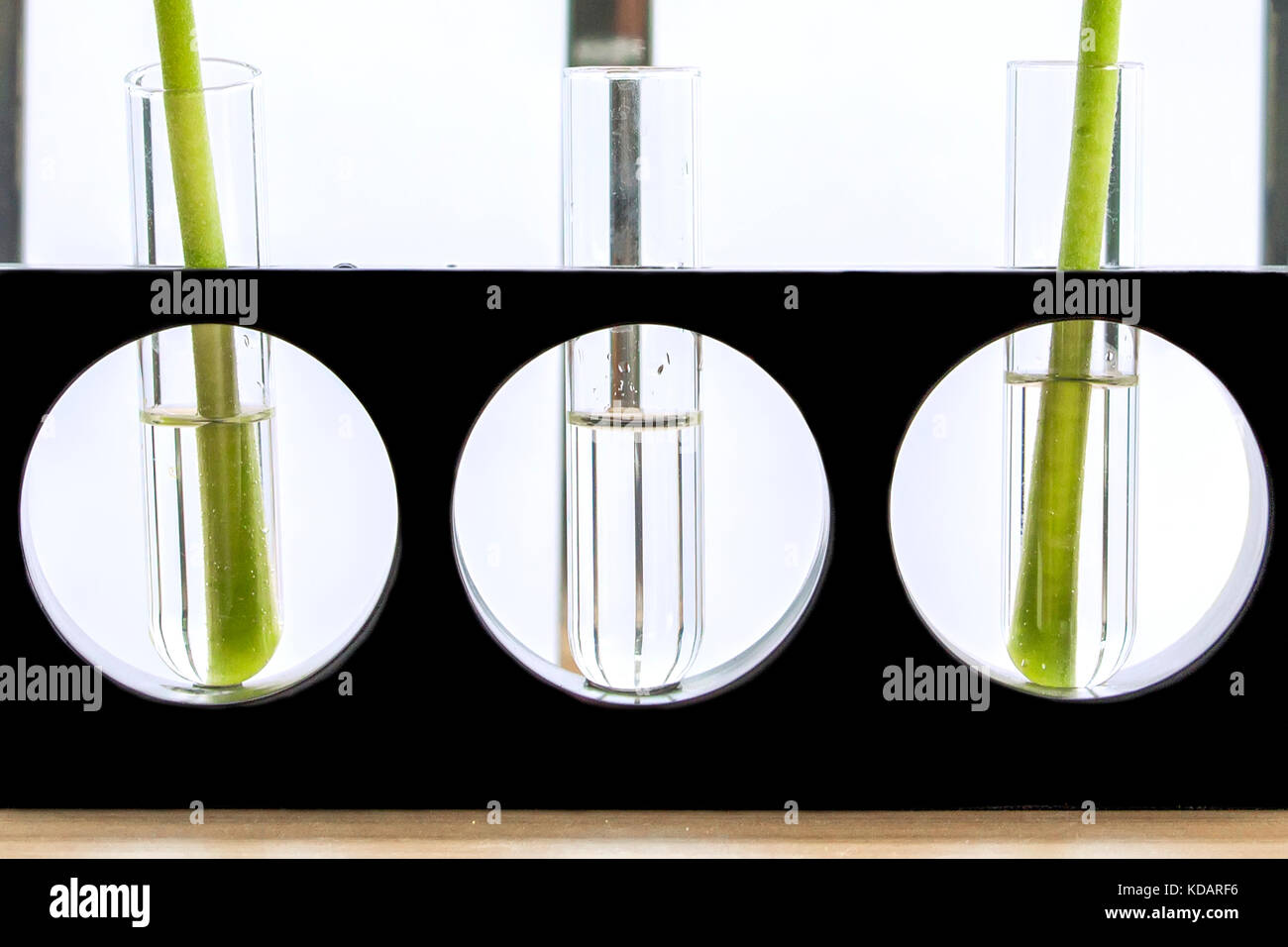
Test tube plant propagation offers a controlled environment for plant growth, but it also requires careful attention to the essential nutrients and environmental conditions necessary for optimal health. Monitoring and adjusting these factors is crucial for successful plant care in test tubes.
Essential Nutrients
Plants in test tubes require a balanced supply of macronutrients (nitrogen, phosphorus, potassium) and micronutrients (calcium, magnesium, iron, zinc, etc.). These nutrients can be provided through a nutrient-rich agar medium or a liquid nutrient solution.
Environmental Conditions
Test tube plants require specific environmental conditions, including:
Monitoring and Adjustment
Monitoring plant health is essential to ensure optimal growth. Observe the plants for signs of nutrient deficiencies, disease, or environmental stress. Adjust the nutrient solution or environmental conditions accordingly.
Troubleshooting
Common problems encountered in test tube plant care include: