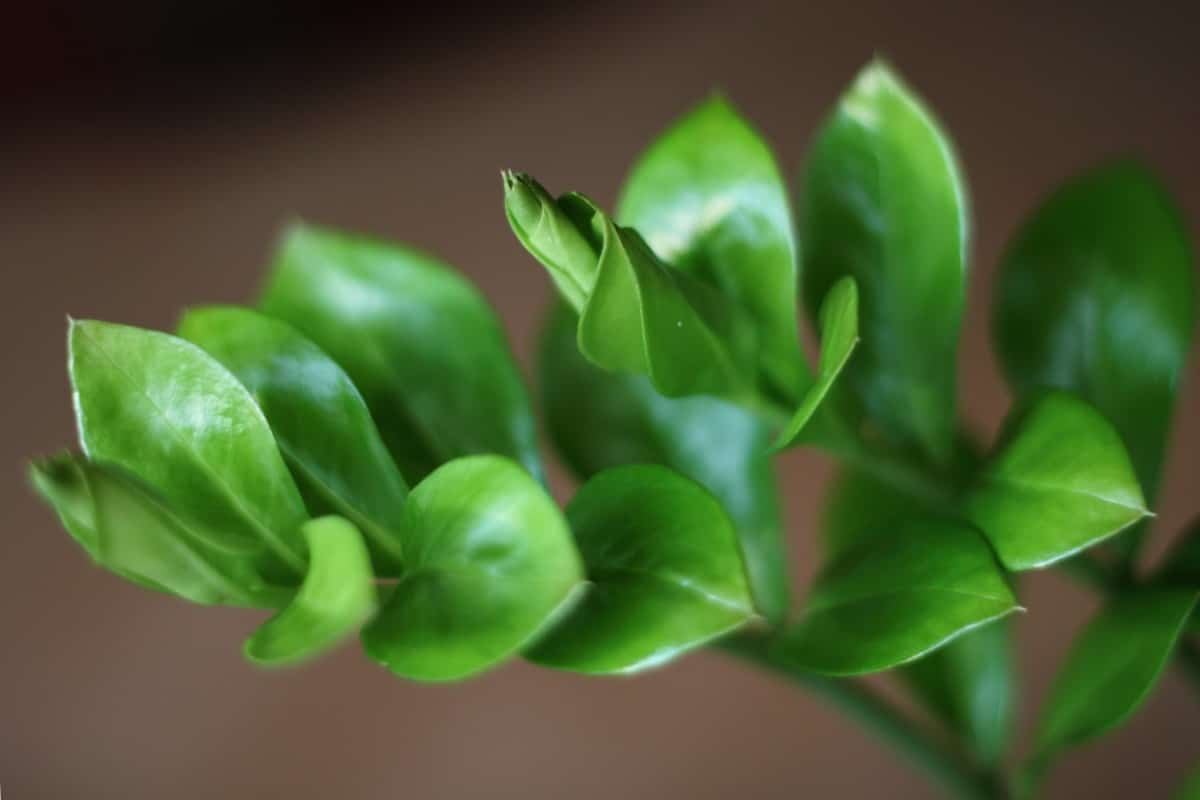
Introducing the types of ZZ plants, a fascinating group of easy-care houseplants that bring a touch of greenery to any space. From their distinctive upright growth habit to their glossy, deep green leaves, ZZ plants are a popular choice for both novice and experienced plant enthusiasts alike.
With their scientific name Zamioculcas zamiifolia, ZZ plants are native to eastern Africa and are known for their exceptional hardiness and tolerance to neglect. They can thrive in low-light conditions and require minimal watering, making them an ideal choice for busy individuals or those who prefer low-maintenance plants.
Types of ZZ Plants

ZZ plants, also known as Zanzibar Gems, are a popular choice for indoor gardening due to their low maintenance and tolerance for neglect. There are several types of ZZ plants, each with its unique characteristics.
The most common type of ZZ plant is the Zamioculcas zamiifolia, also known as the Emerald Palm or ZZ plant. It is characterized by its glossy, dark green leaves that grow in an upright, clumping form. The ZZ plant can grow up to 3 feet tall and wide, making it a suitable choice for both small and large spaces.
Another type of ZZ plant is the Zamioculcas zamiifolia ‘Raven’, also known as the Black ZZ plant. This variety is similar to the Emerald Palm but has darker, almost black leaves. The Black ZZ plant is a relatively new cultivar and is becoming increasingly popular due to its unique appearance.
The Zamioculcas zamiifolia ‘Variegata’ is a variegated variety of the ZZ plant. It has green leaves with creamy white or yellow variegation. The variegation can be subtle or more pronounced, depending on the plant. The Variegated ZZ plant is a popular choice for adding a touch of color to indoor spaces.
The Zamioculcas zamiifolia ‘Zamicro’ is a dwarf variety of the ZZ plant. It is smaller than the other types, growing only up to 12 inches tall. The Zamicro ZZ plant is a good choice for small spaces or for use as a tabletop plant.
Care and Maintenance of ZZ Plants

ZZ plants are renowned for their hardiness and low maintenance requirements. Nonetheless, understanding their specific needs will help you provide optimal care, ensuring their continued health and vitality.
Watering
ZZ plants have a remarkable tolerance for drought conditions. Water only when the soil has completely dried out. Overwatering can lead to root rot, a common problem that can damage or even kill the plant.
Fertilizing
ZZ plants benefit from occasional fertilization during their active growth period (spring and summer). Use a balanced liquid fertilizer diluted to half strength. Avoid over-fertilizing, as this can harm the plant.
Repotting
ZZ plants typically grow slowly and may not require repotting often. However, if the plant has become rootbound, it may need a larger pot. Choose a pot with drainage holes to prevent waterlogging.
Growing Conditions
ZZ plants thrive in bright, indirect light but can tolerate low-light conditions. They prefer warm temperatures between 65-85°F (18-29°C) and moderate humidity. Avoid exposing them to cold drafts or extreme temperatures.
Common Problems
- Yellowing leaves: Can indicate overwatering or nutrient deficiency.
- Brown leaf tips: May be caused by underwatering or low humidity.
- Drooping leaves: Often a sign of overwatering or root rot.
Uses and Benefits of ZZ Plants

ZZ plants, scientifically known as Zamioculcas zamiifolia, have gained immense popularity due to their versatility and resilience. These plants offer a wide range of benefits, making them a popular choice for both home and office environments.
Indoor Decoration
ZZ plants are prized for their architectural form and lush, dark green foliage. Their upright growth habit and glossy leaves add a touch of elegance and sophistication to any space. They can be placed on desks, shelves, or even the floor to create a striking visual impact.
Air Purification, Types of zz plants
Studies have shown that ZZ plants are effective in removing harmful toxins from the air. They can absorb pollutants such as benzene, toluene, and xylene, which are commonly found in paints, solvents, and cleaning products. By purifying the air, ZZ plants help improve indoor air quality and promote a healthier living environment.
Feng Shui
In feng shui, ZZ plants are believed to bring good luck and prosperity. They are often placed in the wealth corner of a home or office, which is typically the southeast corner. ZZ plants are also said to promote harmony and balance, making them a popular choice for creating a positive and inviting atmosphere.
Low-Maintenance Nature
ZZ plants are renowned for their low-maintenance nature. They can tolerate neglect and do not require frequent watering or fertilizing. Their thick, succulent stems store water, allowing them to survive periods of drought. This makes them ideal for busy individuals or those who may not have a lot of time for plant care.
Tolerance to Neglect
ZZ plants are incredibly tolerant to neglect. They can withstand long periods of drought, low light, and even poor soil conditions. This makes them a great choice for those who may forget to water their plants regularly or who have limited space or light in their homes or offices.
Ability to Thrive in Low-Light Conditions
ZZ plants are known for their ability to thrive in low-light conditions. They can tolerate low levels of natural light and even artificial light, making them suitable for windowless rooms or dimly lit areas. This makes them an excellent choice for offices, basements, or other spaces with limited natural light.
Examples of Uses in Home and Office Settings
ZZ plants can be used in various ways to enhance the beauty and functionality of home and office spaces. Here are a few examples:
- Home: ZZ plants can be placed in living rooms, bedrooms, kitchens, or bathrooms to add a touch of greenery and purify the air.
- Office: ZZ plants can be used to create a welcoming and productive work environment. They can be placed on desks, shelves, or in common areas to improve air quality and boost morale.