
UV lamps for plants have emerged as a revolutionary tool in horticulture, offering a unique approach to optimizing plant growth and development. By harnessing the power of ultraviolet radiation, these lamps provide plants with essential energy for photosynthesis, morphology, and physiology, unlocking their full potential.
In this comprehensive guide, we delve into the fascinating world of UV lamps for plants, exploring their types, benefits, and applications. We will also address potential risks and safety considerations, empowering you to make informed decisions about incorporating UV lamps into your plant cultivation practices.
Understanding UV Lamps and Their Role in Plant Growth
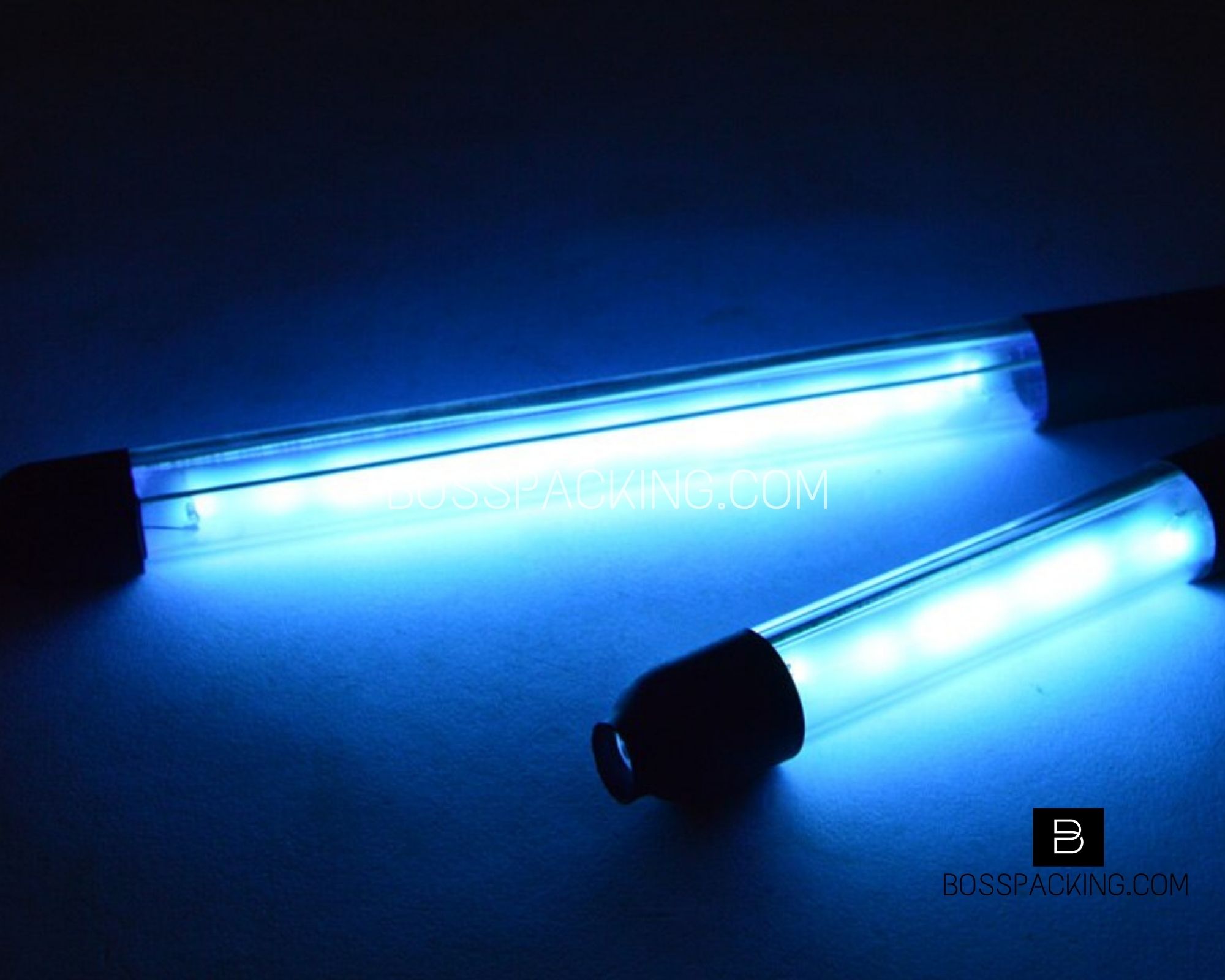
Ultraviolet (UV) lamps emit radiation within the ultraviolet spectrum, which is invisible to the human eye. These lamps are commonly used in plant cultivation to supplement natural sunlight and influence plant growth and development. Different types of UV lamps emit specific wavelengths of radiation, each with unique effects on plant morphology and physiology.
Types of UV Lamps
- UV-A (315-400 nm): Penetrates deeply into plant tissues, promoting photosynthesis, stem elongation, and leaf expansion.
- UV-B (280-315 nm): Triggers protective responses in plants, such as increased production of flavonoids and anthocyanins, which enhance stress tolerance.
- UV-C (100-280 nm): Highly energetic and harmful to most living organisms, including plants.
Effects of UV Radiation on Plants
UV radiation affects plant growth and development in several ways:
- Morphological Changes: UV radiation can alter plant height, leaf size, and branching patterns.
- Physiological Changes: UV exposure can influence photosynthesis, respiration, and hormone production.
- Stress Tolerance: UV radiation can induce the production of protective compounds that enhance resistance to environmental stresses.
Benefits of UV Lamps in Plant Cultivation
- Enhanced Growth: UV-A radiation can promote photosynthesis and stem elongation, leading to increased plant biomass.
- Improved Stress Tolerance: UV-B radiation triggers defense mechanisms that protect plants from environmental stresses, such as drought, heat, and pests.
- Enhanced Nutritional Value: UV radiation can increase the production of vitamins and antioxidants in plants.
Limitations of UV Lamps
- Excessive Exposure: Overexposure to UV radiation can damage plant tissues and inhibit growth.
- Wavelength Selection: It is essential to choose the appropriate UV lamp type and wavelength for specific plant species and growth stages.
- Energy Consumption: UV lamps consume significant amounts of energy, which can be a concern in large-scale cultivation.
Practical Applications of UV Lamps in Plant Cultivation: Uv Lamps For Plants

UV lamps offer a range of practical applications in plant cultivation, enhancing plant growth, development, and resistance to various stresses.
To maximize the benefits of UV lamps, it is crucial to select the appropriate lamp type and intensity based on the specific plant species and growth stage. Additionally, determining the optimal duration and intensity of UV exposure is essential for each plant type.
Selecting the Appropriate UV Lamp
UV lamps vary in their wavelength and intensity, making it important to choose the right lamp for the specific plant species and growth stage.
- For seedlings and young plants, low-intensity UV lamps with a wavelength of around 365 nm are suitable.
- As plants mature, higher-intensity lamps with wavelengths ranging from 280 to 315 nm can be used to promote flowering and fruit production.
- UV lamps with a wavelength of 254 nm are effective for disinfecting plant surfaces and controlling pathogens.
Optimal Duration and Intensity of UV Exposure
The duration and intensity of UV exposure should be carefully controlled to avoid damaging plant tissues.
- For most plants, a daily exposure of 1-2 hours is sufficient to stimulate growth and development.
- Intensities should be gradually increased as plants mature, starting with low levels and gradually increasing to the desired intensity.
- Monitoring plant responses is crucial to determine the optimal exposure time and intensity for each species.
Case Studies of Successful UV Lamp Applications
Numerous case studies have demonstrated the benefits of UV lamps in plant production.
- In greenhouse trials, UV lamps have been shown to increase tomato yields by up to 20%.
- UV exposure has also been found to enhance the nutritional content of leafy greens, such as spinach and lettuce.
- In commercial nurseries, UV lamps are used to control powdery mildew and other fungal diseases, reducing the need for chemical treatments.
Considerations and Cautions in Using UV Lamps
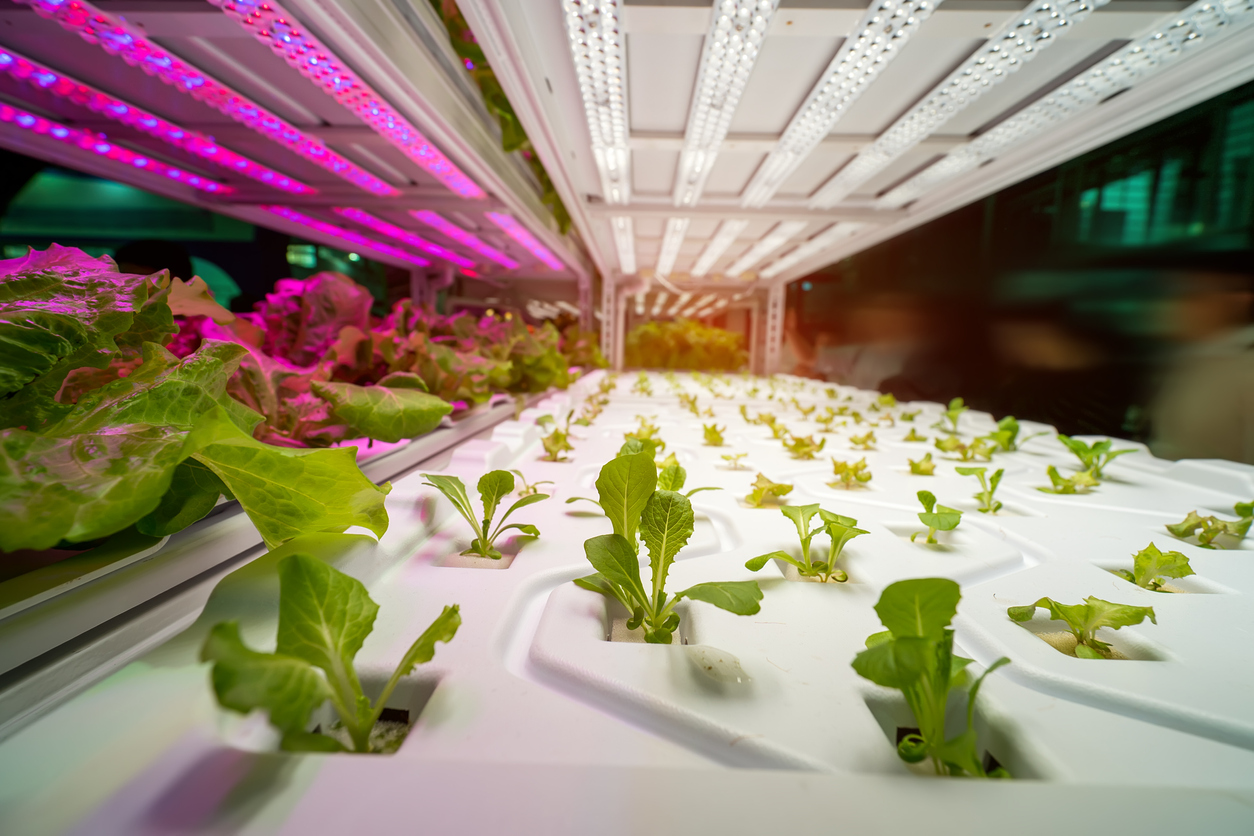
While UV lamps offer benefits in plant cultivation, excessive exposure can lead to detrimental effects. Understanding the potential risks and implementing safety measures are crucial for responsible and effective use.
Prolonged and intense UV radiation can cause various physiological damages in plants, including sunburn, leaf curling, stunted growth, and reduced yield. It’s important to carefully control the intensity, duration, and timing of UV exposure to minimize these risks.
Safety Precautions, Uv lamps for plants
- Use UV lamps specifically designed for horticultural applications.
- Follow manufacturer’s guidelines for safe handling and operation.
- Wear appropriate protective gear, including UV-blocking glasses and gloves.
- Position lamps at an optimal distance from plants to avoid excessive exposure.
- Monitor plants closely for signs of stress and adjust UV exposure accordingly.
Alternative Methods
Natural sunlight is the primary source of UV radiation for plants. However, indoor cultivation or limited access to sunlight may necessitate alternative methods.
- LED Grow Lights: Certain LED grow lights emit specific wavelengths of UV radiation that can mimic natural sunlight.
- Fluorescent Lamps: Some fluorescent lamps emit UV radiation, but their intensity is typically lower than UV lamps.
When using alternative methods, it’s essential to research and select products that provide appropriate UV wavelengths and intensity for the specific plant species being cultivated.
