What grow zone is ct – When it comes to gardening, Connecticut falls within USDA Plant Hardiness Zone 6a, which means that the state experiences average annual minimum temperatures between -10 and -5 degrees Fahrenheit. This zone is suitable for a wide range of plants, from cold-hardy perennials to heat-loving annuals. In this guide, we’ll explore the factors that determine plant hardiness zones, identify the best plants to grow in Connecticut, and provide tips for selecting and caring for plants in the state’s unique growing conditions.
Plant Hardiness Zones: What Grow Zone Is Ct
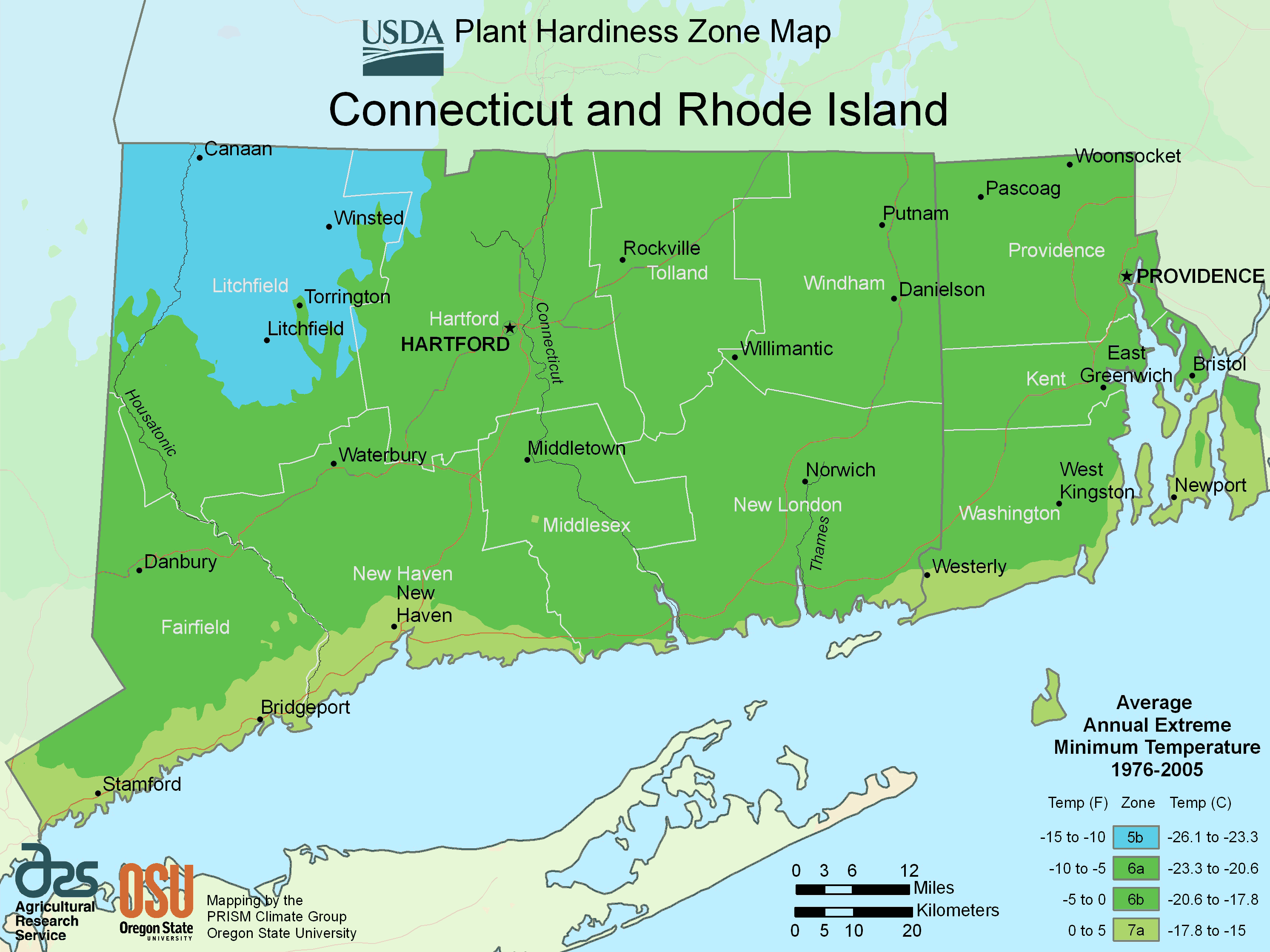
Plant hardiness zones are geographical areas that have been classified according to the average annual minimum temperature. This information is useful for gardeners and farmers to determine which plants are likely to survive in their area.
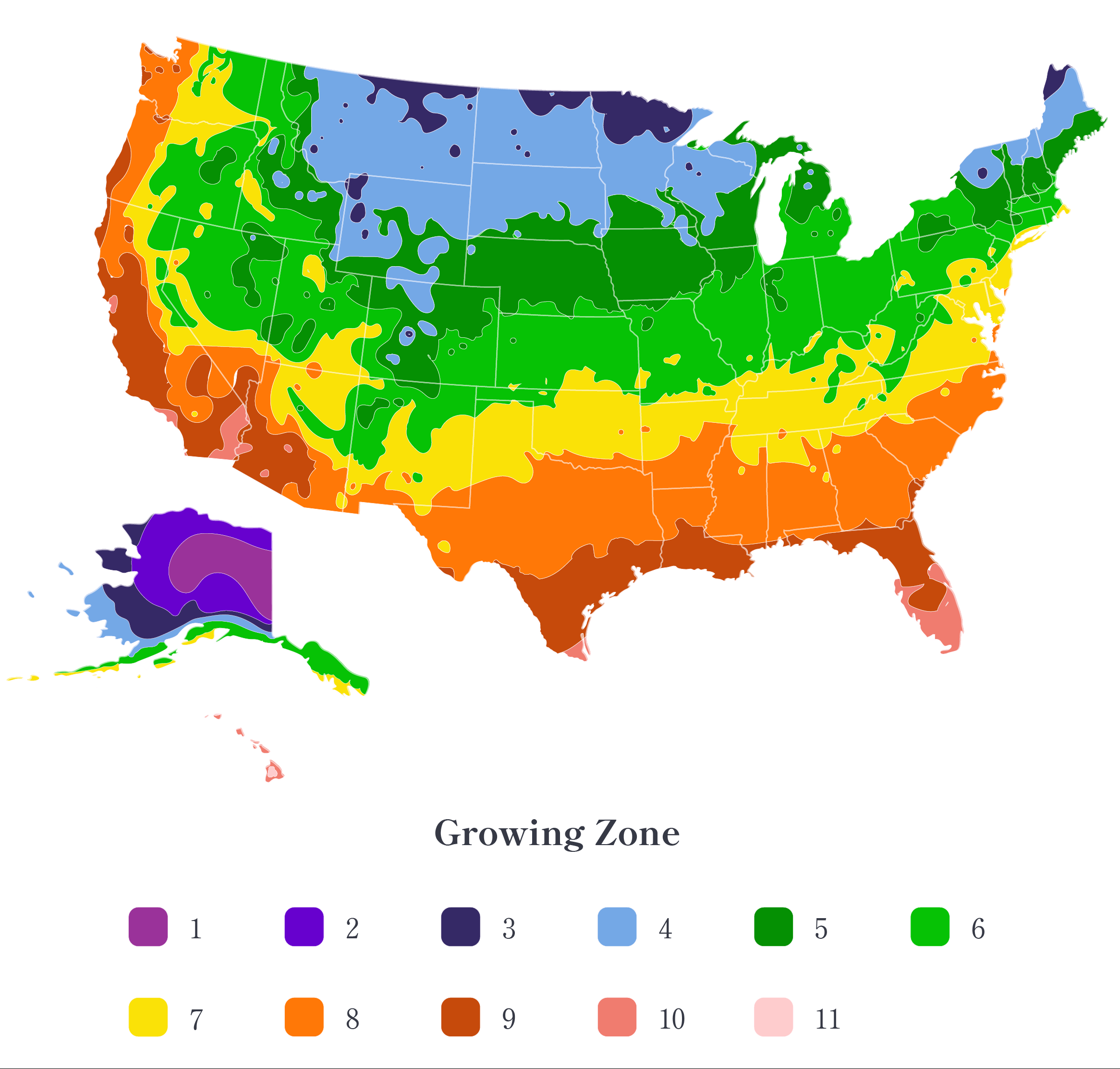
The United States Department of Agriculture (USDA) has developed a plant hardiness zone map that divides the country into 13 zones, with Zone 1 being the coldest and Zone 13 being the warmest. Connecticut is located in Zone 6a and 6b.
Factors that Determine Plant Hardiness Zones
The factors that determine plant hardiness zones include:
- Latitude: The higher the latitude, the colder the climate.
- Altitude: The higher the altitude, the colder the climate.
- Distance from large bodies of water: Large bodies of water moderate the temperature, making the climate warmer in winter and cooler in summer.
- Prevailing wind patterns: Winds from the north are cold, while winds from the south are warm.
- Local topography: Valleys are typically colder than hillsides, and slopes facing south are warmer than slopes facing north.
Growing Plants in Connecticut
Connecticut, located in the northeastern United States, experiences a humid continental climate with warm summers and cold winters. The state is divided into several USDA hardiness zones, ranging from zone 5a to zone 7a, which influences the types of plants that can be successfully grown.
When selecting plants for your Connecticut garden, it’s crucial to consider the hardiness zone of your area. Plants that are not well-suited to the local climate may struggle to survive or produce optimal yields.
Choosing the Right Plants
For gardeners in Connecticut, there is a wide range of plants that thrive in the state’s growing conditions. Some of the most popular and well-suited plants include:
- Perennials: Hostas, daylilies, coneflowers, and lavender.
- Annuals: Marigolds, zinnias, sunflowers, and petunias.
- Vegetables: Tomatoes, peppers, cucumbers, and squash.
- Trees: Maple, oak, birch, and pine.
- Shrubs: Hydrangeas, rhododendrons, azaleas, and boxwoods.
Caring for Plants in Connecticut
Once you have selected the right plants for your garden, it’s important to provide proper care to ensure their health and productivity. Here are some tips for caring for plants in Connecticut:
- Water regularly: Connecticut’s humid climate can lead to periods of drought, so it’s important to water your plants deeply and regularly, especially during hot and dry weather.
- Fertilize regularly: Plants need nutrients to thrive, so fertilize them according to the manufacturer’s instructions. Use a balanced fertilizer that provides nitrogen, phosphorus, and potassium.
- Mulch around plants: Mulch helps to retain moisture, suppress weeds, and regulate soil temperature. Use organic mulch, such as shredded leaves or compost, around your plants.
- Prune regularly: Pruning helps to shape plants, remove dead or diseased branches, and encourage new growth. Prune your plants according to their specific needs.
- Protect from pests and diseases: Inspect your plants regularly for signs of pests or diseases. Take appropriate measures to control pests and diseases, such as using insecticidal soap or fungicides.
Gardening Resources in Connecticut
Connecticut’s diverse climate and landscapes offer ample opportunities for gardening enthusiasts. The state boasts a wide range of nurseries, garden centers, and organizations dedicated to providing resources and support to gardeners.
To help you navigate the gardening landscape in Connecticut, here’s a comprehensive guide to local nurseries, garden clubs, and online resources:
Local Nurseries and Garden Centers
Connecticut is home to numerous reputable nurseries and garden centers that specialize in plants suited to the state’s hardiness zones. These establishments offer a vast selection of plants, gardening supplies, and expert advice.
- White Flower Farm: Located in Litchfield, White Flower Farm is a renowned nursery known for its extensive collection of perennials, annuals, and bulbs.
- Gardenworks: With locations in North Stonington and Fairfield, Gardenworks offers a wide range of plants, gardening tools, and workshops.
- Logee’s Greenhouses: Situated in Danielson, Logee’s Greenhouses specializes in tropical plants, orchids, and begonias.
- Van Wilgen’s Garden Center: Located in North Branford, Van Wilgen’s Garden Center offers a comprehensive selection of plants, including native species and pollinator-friendly varieties.
- Four Winds Growers: Based in Farmington, Four Winds Growers is a wholesale nursery that supplies plants to many local garden centers.
Gardening Clubs and Organizations
Connecticut has a vibrant gardening community with numerous clubs and organizations that provide opportunities for learning, networking, and sharing knowledge.
- Connecticut Horticultural Society: The state’s oldest horticultural society, CHS offers a variety of programs, lectures, and workshops for gardeners of all levels.
- Master Gardener Program of Connecticut: This program trains volunteers to provide research-based gardening information to the public.
- Connecticut Botanical Society: CBS is dedicated to the conservation and study of Connecticut’s native plants.
- American Rhododendron Society, Connecticut Chapter: This chapter of the national organization focuses on the cultivation and appreciation of rhododendrons and azaleas.
- Connecticut Rose Society: CRS promotes the cultivation and enjoyment of roses.
Online Resources, What grow zone is ct
In addition to local resources, there are numerous online platforms that offer valuable information and support to gardeners in Connecticut.
- Connecticut Agricultural Experiment Station: CAES provides research-based information on gardening, pest management, and plant diseases.
- UConn Home & Garden Education Center: UConn Extension offers educational programs, workshops, and publications on gardening topics.
- Connecticut Gardener Blog: This blog by the Connecticut Gardener magazine features articles on gardening in the state.
- Hartford Courant Gardening Section: The Hartford Courant newspaper has a dedicated gardening section with articles, tips, and advice.
- Yankee Gardener Magazine: This regional magazine provides gardening information specifically tailored to New England.