Winter’s bark plant – Winter’s bark, a botanical treasure, beckons us on an enthralling journey through its unique characteristics, medicinal properties, and cultivation practices. Its intricate tapestry of scientific facts and captivating history unveils a world of wonder.
Delving into the realm of winter’s bark, we unravel its taxonomic classification, deciphering its evolutionary lineage. Its physical attributes, from its stature to its leaf structure, paint a vivid portrait of this enigmatic plant.
Winter’s Bark Plant
Botanical Characteristics
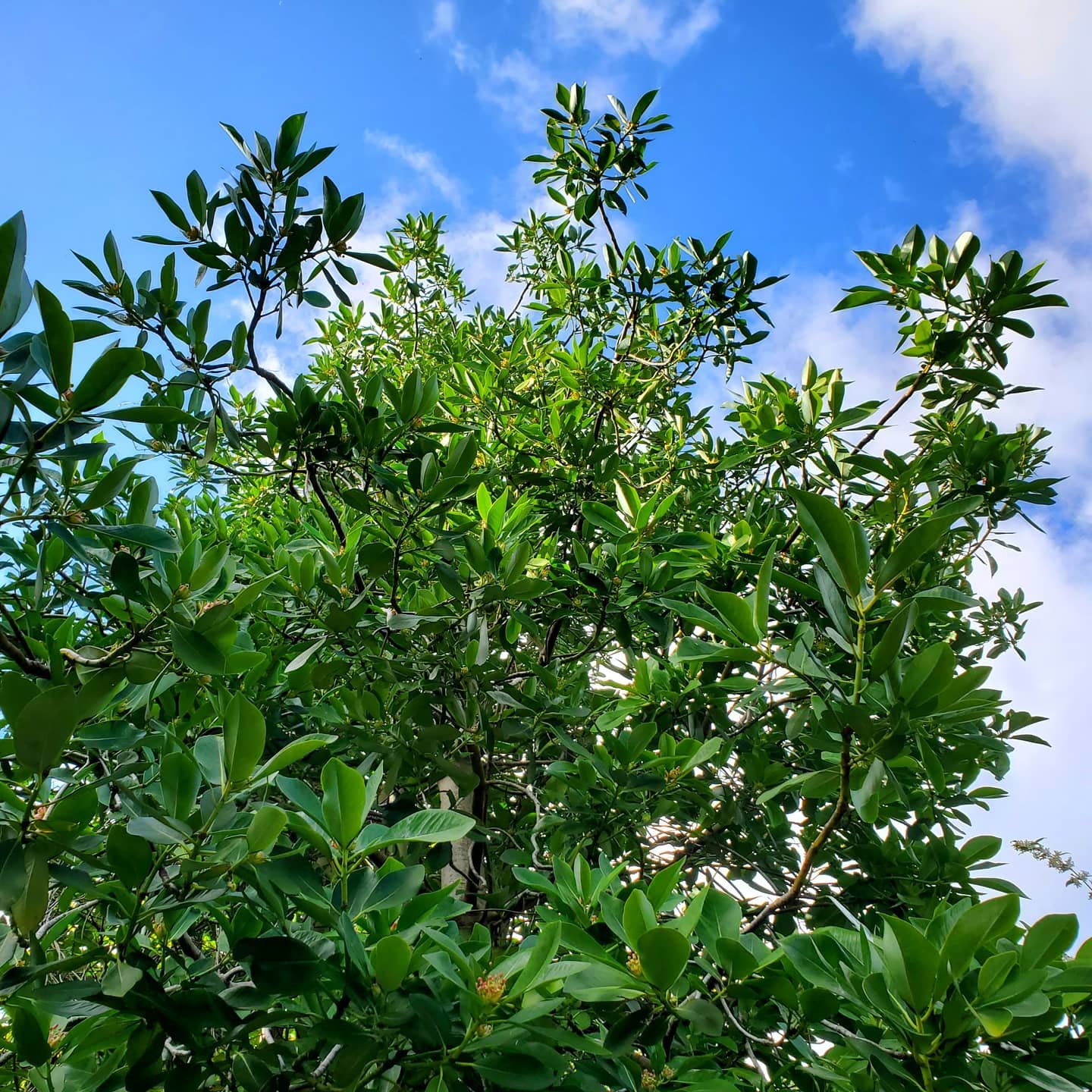
The winter’s bark plant (Drimys winteri) is an evergreen shrub or small tree belonging to the Winteraceae family. It is native to the temperate rainforests of southern South America, particularly in Chile and Argentina.
Taxonomic Classification
- Kingdom: Plantae
- Division: Magnoliophyta
- Class: Magnoliopsida
- Order: Canellales
- Family: Winteraceae
- Genus: Drimys
- Species: Drimys winteri
Physical Appearance
The winter’s bark plant typically grows to a height of 2-5 meters (6-16 feet). It has a dense, bushy habit with numerous branches and a compact, rounded crown. The bark is smooth and grayish-brown, giving the plant its characteristic name. The leaves are alternate, simple, and lanceolate to ovate in shape. They have a glossy, dark green upper surface and a paler, slightly pubescent underside.
Unique Characteristics
One of the unique characteristics of the winter’s bark plant is its aromatic bark. When crushed or dried, the bark releases a strong, spicy fragrance reminiscent of cinnamon or nutmeg. This fragrance is due to the presence of essential oils containing compounds such as camphor, safrole, and eugenol.
Medicinal Properties of Winter’s Bark
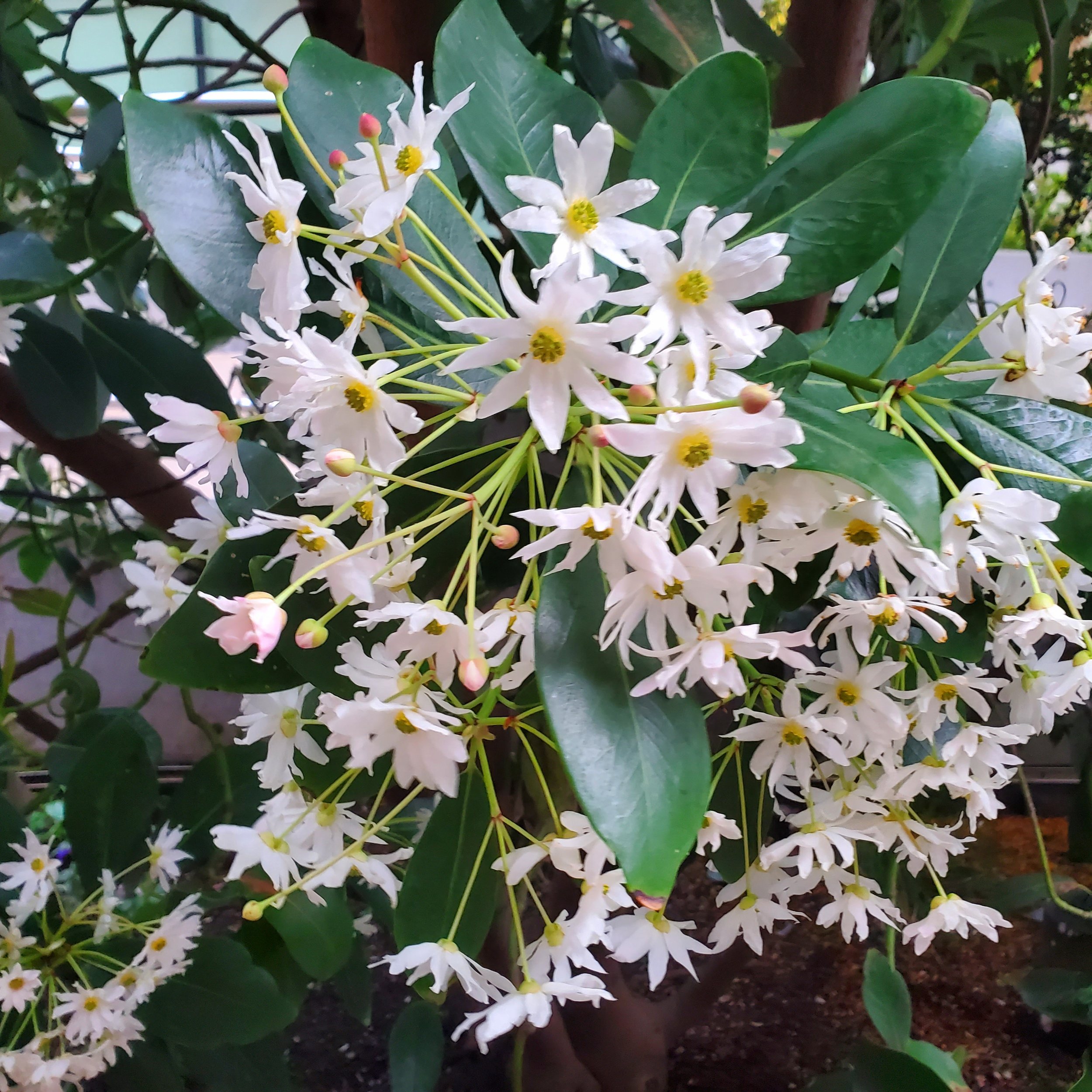
Winter’s bark, derived from the Drimys winteri tree, has been traditionally valued for its medicinal properties. In various cultures, it has been used to treat a wide range of ailments.
Scientific research has provided evidence supporting some of the traditional uses of winter’s bark. Studies have shown that it possesses antimicrobial, anti-inflammatory, and antioxidant properties. These properties make it potentially useful in treating conditions such as infections, inflammation, and oxidative stress-related disorders.
Antimicrobial Properties
Winter’s bark extract has been found to have antimicrobial activity against a variety of bacteria and fungi. This activity is attributed to the presence of compounds such as winterin and drimenin. These compounds have been shown to inhibit the growth and proliferation of microorganisms.
Cultivation and Harvesting of Winter’s Bark: Winter’s Bark Plant
Cultivating and harvesting winter’s bark involves specific techniques to ensure optimal growth and sustainable harvesting. This guide provides detailed instructions for cultivating and harvesting winter’s bark plants, ensuring their potency and preservation.
Cultivation
Winter’s bark plants thrive in well-drained, acidic soil with a pH range of 5.5 to 6.5. They prefer partial shade and protection from strong winds. Propagation can be done through seeds or cuttings. Seeds should be sown in spring or fall, while cuttings can be taken from mature plants in the summer.
Maintenance involves regular watering, especially during dry spells, and occasional fertilization with a balanced fertilizer. Mulching around the plants helps retain moisture and suppress weeds.
Harvesting
The bark is harvested from mature trees that are at least 10 years old. The optimal time for harvesting is in the spring or fall when the sap is flowing. The bark is carefully peeled off the trunk, avoiding damage to the cambium layer. Sustainable harvesting practices involve removing only a portion of the bark from each tree to allow for regrowth.
Storage and Preservation, Winter’s bark plant
Harvested bark should be dried in a well-ventilated area away from direct sunlight. Once dried, it can be stored in airtight containers in a cool, dry place. Proper storage methods help preserve the bark’s potency and prevent deterioration.