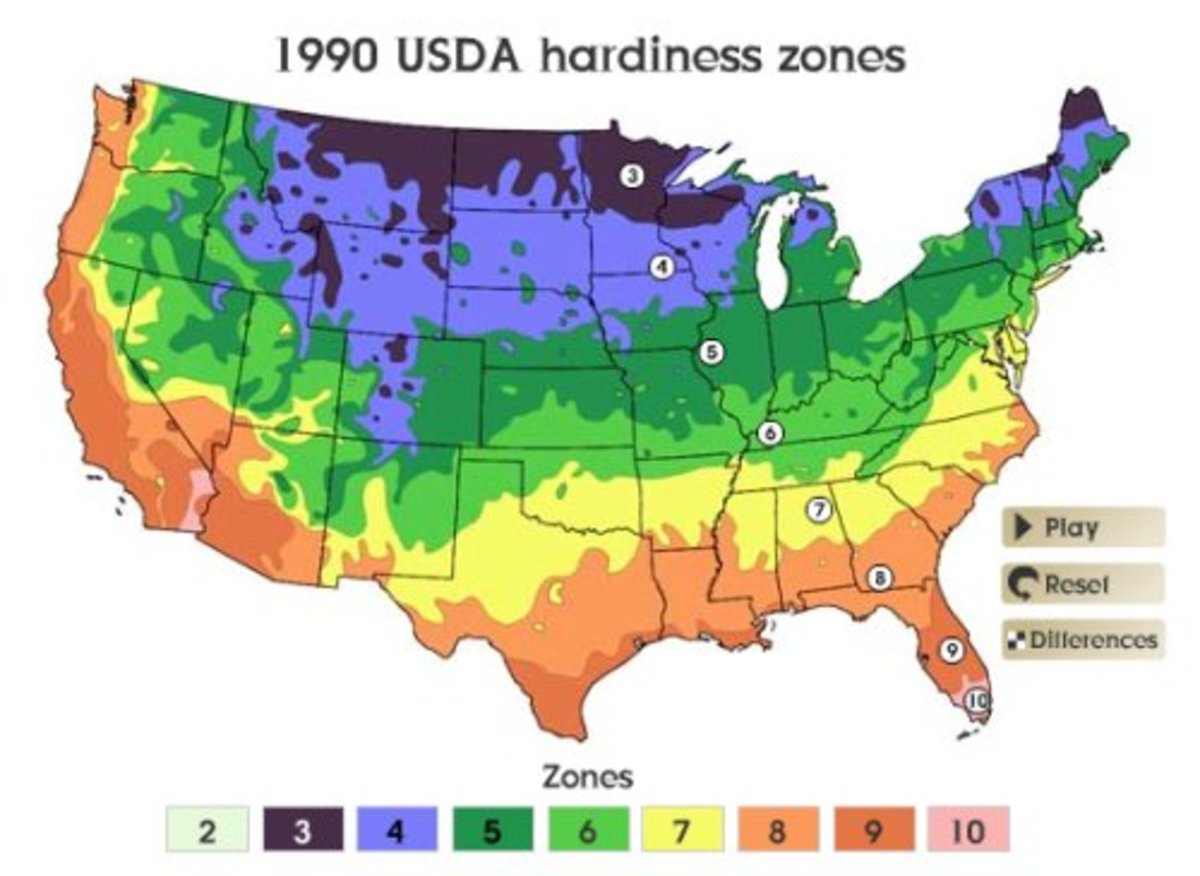
Zone 5 hardy plants are specifically adapted to the unique climate conditions of USDA Plant Hardiness Zone 5, which encompasses regions with cold winters and moderate summers. Understanding the specific needs of Zone 5 plants is essential for ensuring their survival and thriving in these challenging environments.
This guide provides a comprehensive overview of Zone 5 hardy plants, including their characteristics, popular varieties, and specific care requirements. Whether you’re a seasoned gardener or just starting out, this information will empower you to make informed choices and create a thriving landscape in Zone 5.
Popular Zone 5 Hardy Plants
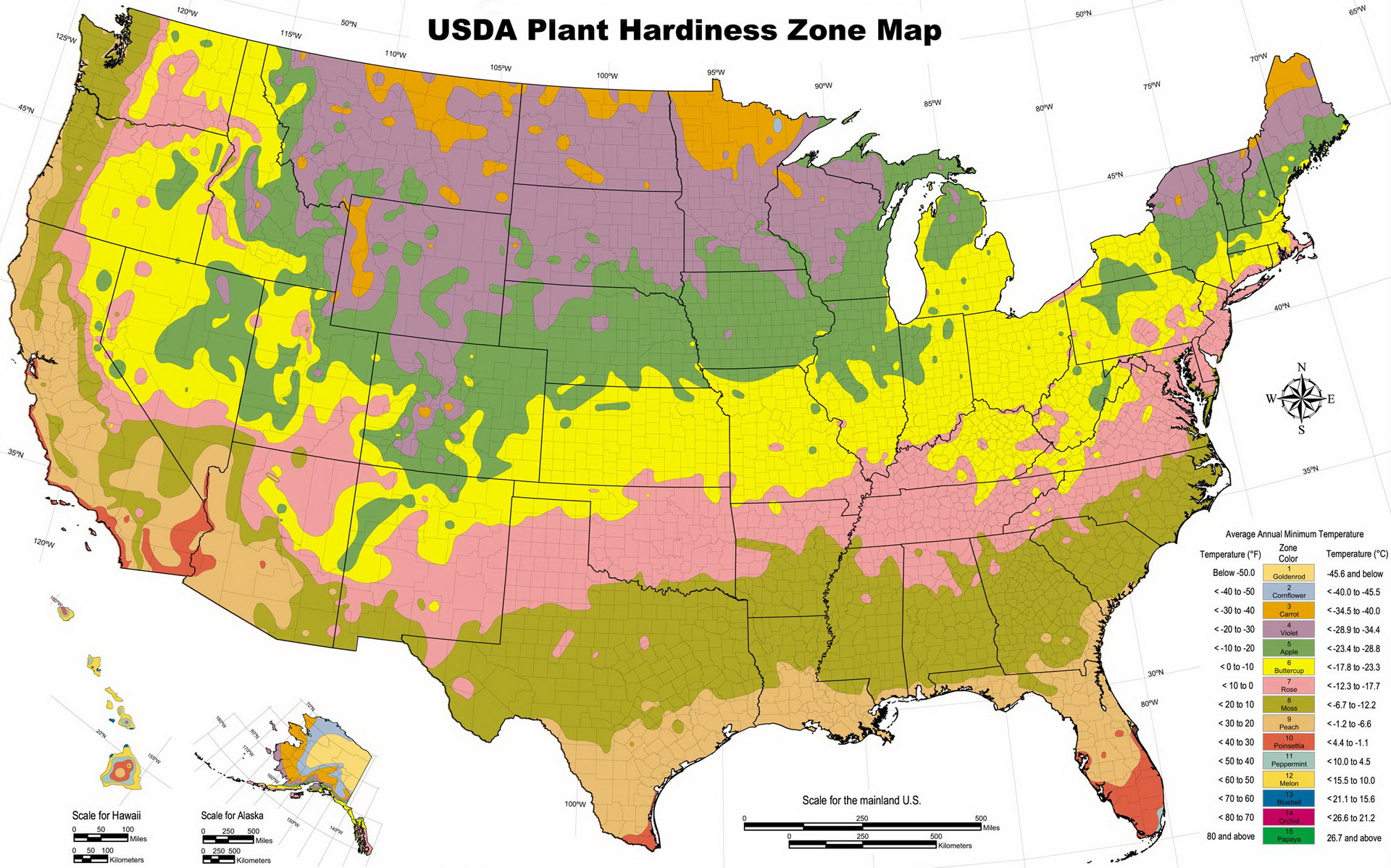
Zone 5, located in the northern United States and southern Canada, experiences cold winters with average minimum temperatures ranging from -20 to -10 degrees Fahrenheit (-29 to -23 degrees Celsius). Despite these chilly conditions, numerous hardy plants thrive in this region, offering year-round beauty and resilience to the landscape.
When selecting plants for Zone 5, consider their hardiness, adaptability to the local climate, and desired aesthetic qualities. With careful planning, you can create a thriving garden that withstands the rigors of winter while adding color, texture, and interest to your outdoor space.
Trees
Hardy trees are the backbone of any Zone 5 landscape, providing structure, shade, and seasonal interest. Some popular choices include:
- River Birch (Betula nigra): A graceful tree with peeling, cinnamon-colored bark that adds year-round visual appeal. It grows to 40-70 feet tall with a spreading canopy, making it an excellent shade tree for larger landscapes.
- Sugar Maple (Acer saccharum): Known for its vibrant fall foliage, the sugar maple is a slow-growing tree that typically reaches heights of 60-80 feet. Its dense canopy provides ample shade and can tolerate a variety of soil conditions.
- Crabapple (Malus spp.): Crabapple trees offer a profusion of spring blooms in various colors, from white to pink to red. They are relatively small, reaching 15-25 feet tall, making them suitable for smaller gardens or as accent trees.
Shrubs
Shrubs add diversity and texture to the landscape, providing seasonal interest and habitat for wildlife. Some popular Zone 5 hardy shrubs include:
- Hydrangea (Hydrangea macrophylla): Hydrangeas are known for their large, showy flower heads that bloom in summer. They prefer moist, well-drained soil and can tolerate partial shade.
- Viburnum (Viburnum spp.): Viburnums offer a variety of sizes and shapes, from compact to large, spreading shrubs. They are valued for their attractive foliage, showy flowers, and colorful berries that provide food for birds.
- Rhododendron (Rhododendron spp.): Rhododendrons are evergreen shrubs that produce clusters of vibrant flowers in spring. They prefer acidic, well-drained soil and can tolerate partial shade.
Perennials
Perennials return year after year, providing reliable color and interest to the garden. Some popular Zone 5 hardy perennials include:
- Coneflower (Echinacea purpurea): Coneflowers are beloved by butterflies and other pollinators. They produce daisy-like flowers in shades of purple, pink, and white from mid to late summer.
- Daylily (Hemerocallis spp.): Daylilies are known for their trumpet-shaped flowers that come in a wide range of colors and bloom profusely throughout the summer.
- Hosta (Hosta spp.): Hostas are shade-loving perennials that are prized for their attractive foliage. They come in a variety of sizes and leaf shapes, offering a range of textures and colors.
Care and Maintenance of Zone 5 Plants
:max_bytes(150000):strip_icc()/growing-hardy-mums-1402850-02-22b4c62449e84539a4b0dca23f064c9c.jpg "Delosperma ice yellow hardy plant aizoaceae flowers plants ground cover worldofsucculents phytoimages full siu edu worldoffloweringplants via")
Zone 5 hardy plants require specific care and maintenance to thrive in their cold, temperate climate. Proper watering, fertilizing, pruning, and protection from pests and diseases are essential for their health and longevity.
Watering
Zone 5 plants generally prefer moist but well-drained soil. Water regularly during the growing season, especially during hot, dry spells. Avoid overwatering, as this can lead to root rot and other problems.
Fertilizing
Fertilize Zone 5 plants lightly in the spring and fall. Use a balanced fertilizer with a ratio of nitrogen, phosphorus, and potassium (NPK) that is appropriate for the specific type of plant.
Pruning
Prune Zone 5 plants as needed to remove dead or damaged branches, encourage new growth, and control their size and shape. Pruning techniques vary depending on the type of plant, so research the specific needs of each species.
Protection from Pests and Diseases
Zone 5 plants are susceptible to a variety of pests and diseases. Monitor plants regularly for signs of infestation or infection, and take appropriate steps to control or eliminate the problem. Use pesticides and fungicides only when necessary, and follow the manufacturer’s instructions carefully.
Care Requirements for Different Types of Zone 5 Plants, Zone 5 hardy plants
The specific care requirements for Zone 5 plants vary depending on the type of plant. The following table summarizes the general care guidelines for different types of Zone 5 plants:
| Plant Type | Watering | Fertilizing | Pruning |
|---|---|---|---|
| Trees | Water deeply and regularly, especially during dry spells. | Fertilize lightly in spring and fall. | Prune as needed to remove dead or damaged branches and control size and shape. |
| Shrubs | Water regularly, especially during hot, dry weather. | Fertilize lightly in spring and fall. | Prune as needed to remove dead or damaged branches and encourage new growth. |
| Perennials | Water regularly, especially during hot, dry weather. | Fertilize lightly in spring and fall. | Deadhead spent flowers to encourage new blooms. |
| Annuals | Water regularly, especially during hot, dry weather. | Fertilize every few weeks with a balanced fertilizer. | Deadhead spent flowers to encourage new blooms. |