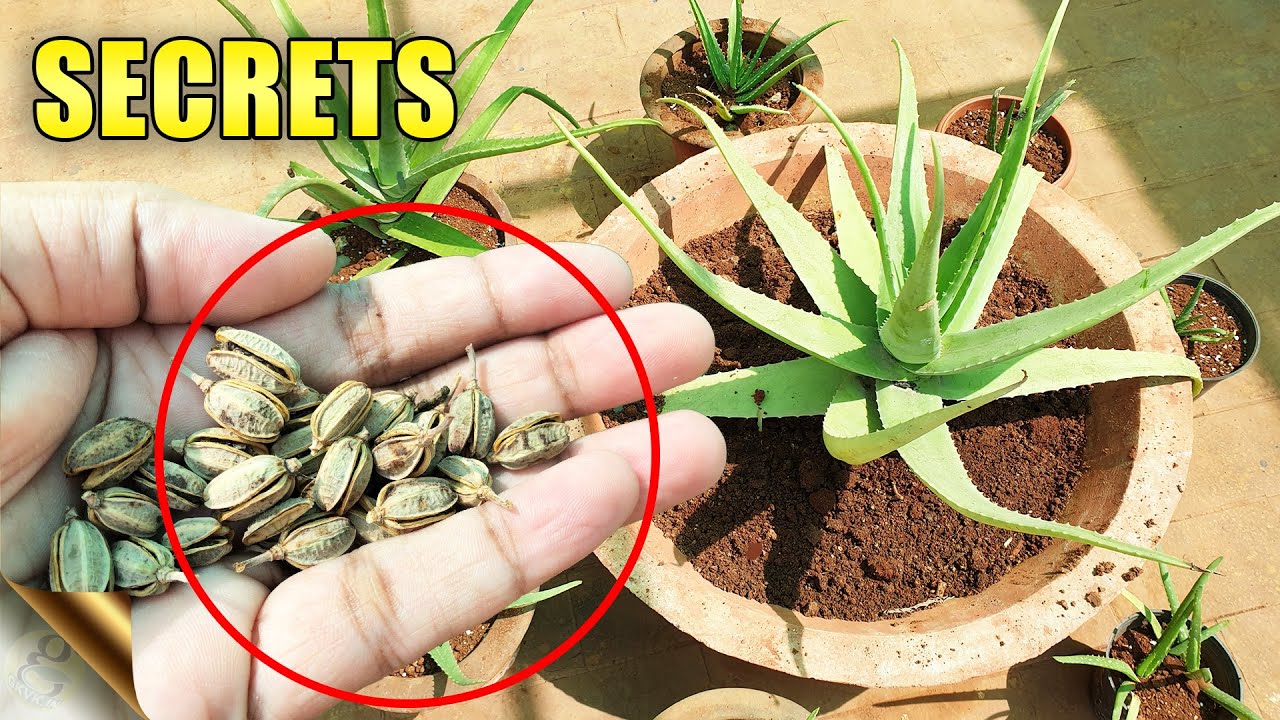
In the realm of natural healing, aloe vera plant seeds stand out as a treasure trove of medicinal properties, inviting us to explore their fascinating world of science and storytelling.
These succulent plants, with their distinctive green leaves and gel-like interiors, have been revered for centuries for their therapeutic virtues. Let’s delve into the captivating story of aloe vera plant seeds, unraveling their botanical wonders and the scientific evidence that supports their remarkable health benefits.
Plant Biology and Growth Characteristics
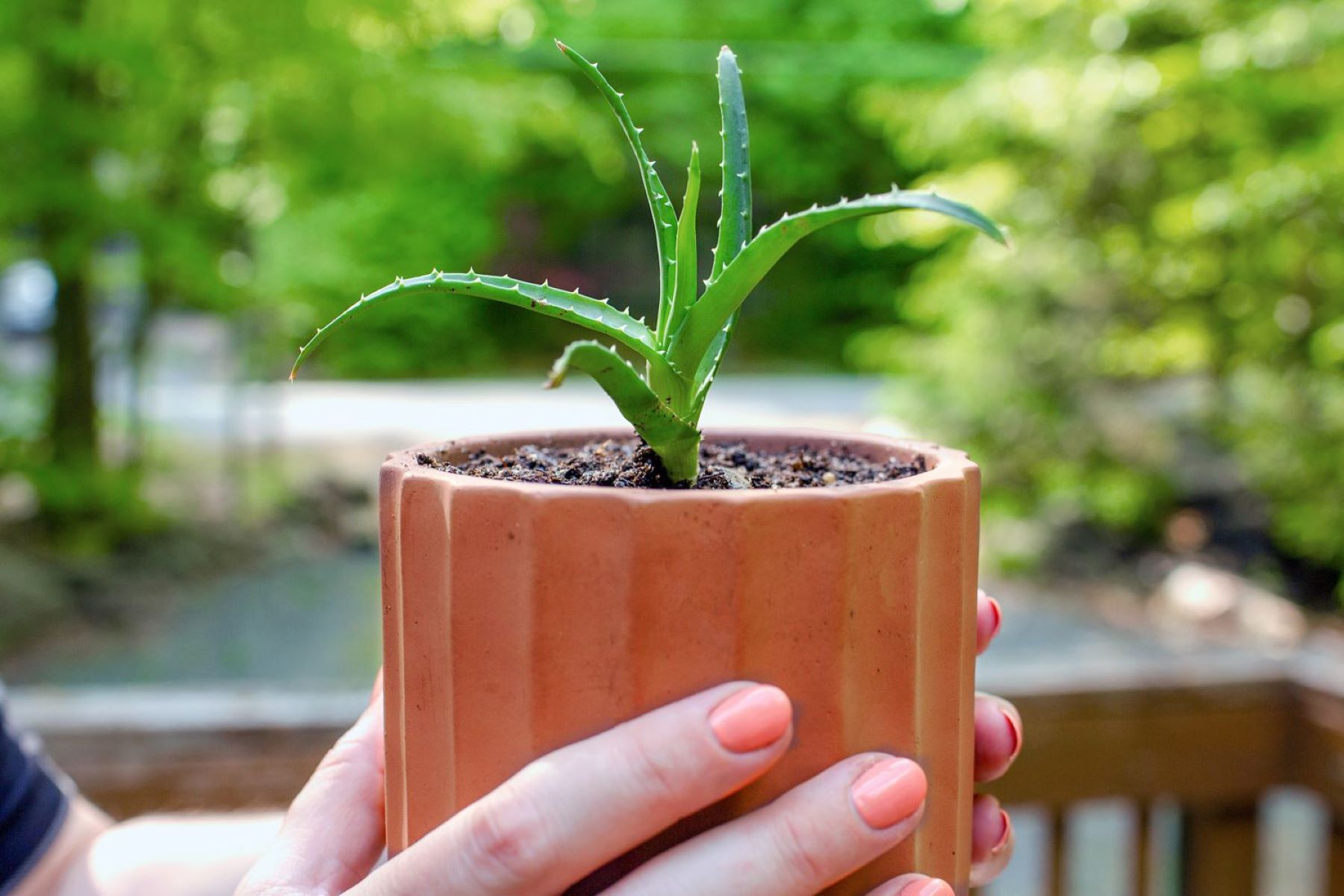
Aloe vera, scientifically classified as Aloe barbadensis miller, belongs to the family Xanthorrhoeaceae. These succulent plants are native to arid regions of Africa, Asia, and Europe and have gained immense popularity for their medicinal and cosmetic properties.
Physical Characteristics
Aloe vera plants are characterized by their fleshy, succulent leaves arranged in a rosette pattern. The leaves are typically lance-shaped, with serrated edges and a smooth, waxy surface. The size of the leaves can vary depending on the species, ranging from a few inches to several feet in length. The plant typically grows up to 2-3 feet in height and has a spread of about 2-4 feet.
Optimal Growing Conditions
Aloe vera plants thrive in well-drained soil with a pH between 6.0 and 7.5. They prefer bright, indirect sunlight but can also tolerate partial shade. The plants are drought-tolerant and require infrequent watering, allowing the soil to dry out completely between waterings. Overwatering can lead to root rot, so it’s crucial to avoid excessive moisture.
Medicinal Properties and Health Benefits: Aloe Vera Plant Seeds
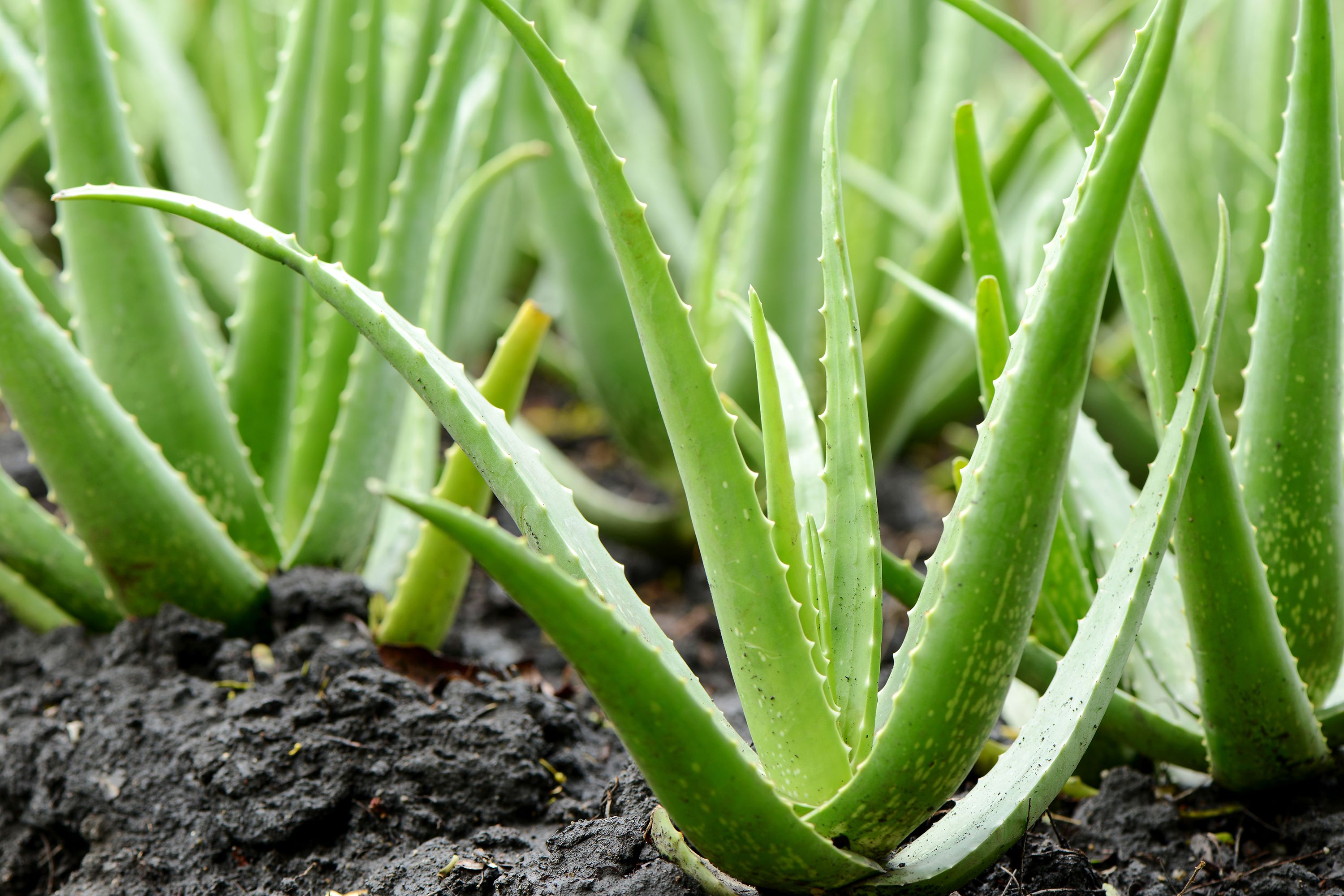
Aloe vera has been revered for centuries for its medicinal properties. Traditional healers have long used the gel from aloe vera leaves to treat various ailments, including burns, wounds, and skin infections.
Modern research has substantiated many of these traditional uses. Aloe vera contains a wealth of bioactive compounds, including vitamins, minerals, enzymes, and antioxidants. These compounds have been shown to possess anti-inflammatory, antibacterial, and wound-healing properties.
Anti-inflammatory Properties
Aloe vera has potent anti-inflammatory properties that can help reduce pain and swelling in the body. The gel contains several compounds, including aloin and acemannan, which have been shown to inhibit the production of inflammatory cytokines.
Aloe vera gel has been found to be effective in treating a variety of inflammatory conditions, including:
- Sunburn
- Eczema
- Psoriasis
- Arthritis
- Inflammatory bowel disease
Antibacterial Properties
Aloe vera also has antibacterial properties that can help fight infections. The gel contains several compounds, including aloin and anthraquinones, which have been shown to inhibit the growth of bacteria.
Aloe vera gel has been found to be effective against a variety of bacteria, including:
- Staphylococcus aureus
- Escherichia coli
- Pseudomonas aeruginosa
- Salmonella typhimurium
- Candida albicans
Wound-Healing Properties
Aloe vera is a natural wound healer that can help accelerate the healing process. The gel contains several compounds, including acemannan and gibberellins, which have been shown to promote cell growth and tissue repair.
Aloe vera gel has been found to be effective in treating a variety of wounds, including:
- Burns
- Cuts
- Scrapes
- Ulcers
- Pressure sores
Aloe vera can be incorporated into a variety of skincare products, supplements, and other health remedies. The gel can be applied directly to the skin or taken orally. Aloe vera is also available in capsule, tablet, and liquid form.
Cultivation and Harvesting Techniques

Cultivating and harvesting aloe vera plants requires careful attention to ensure optimal growth and yield. This section provides a comprehensive guide to the cultivation and harvesting process, including step-by-step instructions, methods for extracting the gel, and storage techniques.
Growing Aloe Vera from Seeds
- Prepare the seeds: Select healthy, mature seeds and soak them in warm water for 24 hours to soften the seed coat and improve germination.
- Fill a seed tray: Fill a seed tray with well-draining potting mix and make shallow furrows about 1/4 inch deep.
- Sow the seeds: Sow the seeds evenly in the furrows and cover them lightly with soil.
- Water the seeds: Gently water the seeds and keep the soil moist but not waterlogged.
- Provide warmth and light: Place the seed tray in a warm, well-lit area with temperatures between 70-80°F (21-27°C).
- Monitor germination: Germination usually occurs within 1-2 weeks. Keep the soil moist and provide adequate light.
Harvesting Aloe Vera Leaves, Aloe vera plant seeds
Aloe vera leaves are ready for harvesting when they are fully mature and have reached a length of 12-18 inches. Harvesting should be done carefully to avoid damaging the plant.
- Select mature leaves: Choose leaves that are plump, firm, and free from blemishes.
- Cut the leaves: Use a sharp knife to cut the leaves close to the base of the plant.
- Remove the spines: Trim the spiny edges of the leaves using a knife or scissors.
- Wash the leaves: Rinse the leaves thoroughly with water to remove any dirt or debris.
Extracting Aloe Vera Gel
Aloe vera gel is the clear, viscous substance found inside the aloe vera leaves. It can be extracted using various methods.
- Slicing and scraping: Slice the leaves lengthwise and use a spoon to scrape the gel from the inner surface.
- Blending: Peel the leaves and blend them in a blender to extract the gel.
- Filtration: Cut the leaves into small pieces and place them in a cheesecloth or fine-mesh sieve to strain the gel.
Storage and Preservation
Aloe vera gel and seeds can be stored for extended periods to preserve their medicinal properties.
- Aloe vera gel: Store fresh aloe vera gel in an airtight container in the refrigerator for up to 2 weeks. Alternatively, freeze the gel in ice cube trays for longer storage.
- Aloe vera seeds: Store aloe vera seeds in a cool, dry place in an airtight container for up to 3 years.