Prayer plant root rot, a common issue that can plague these vibrant houseplants, presents a challenge to even the most experienced gardeners. This guide delves into the intricacies of root rot, exploring its causes, symptoms, and effective treatment strategies.
Understanding the underlying mechanisms behind root rot empowers plant enthusiasts to diagnose and address this condition promptly, ensuring the longevity and vitality of their beloved prayer plants.
Symptoms and Causes of Prayer Plant Root Rot
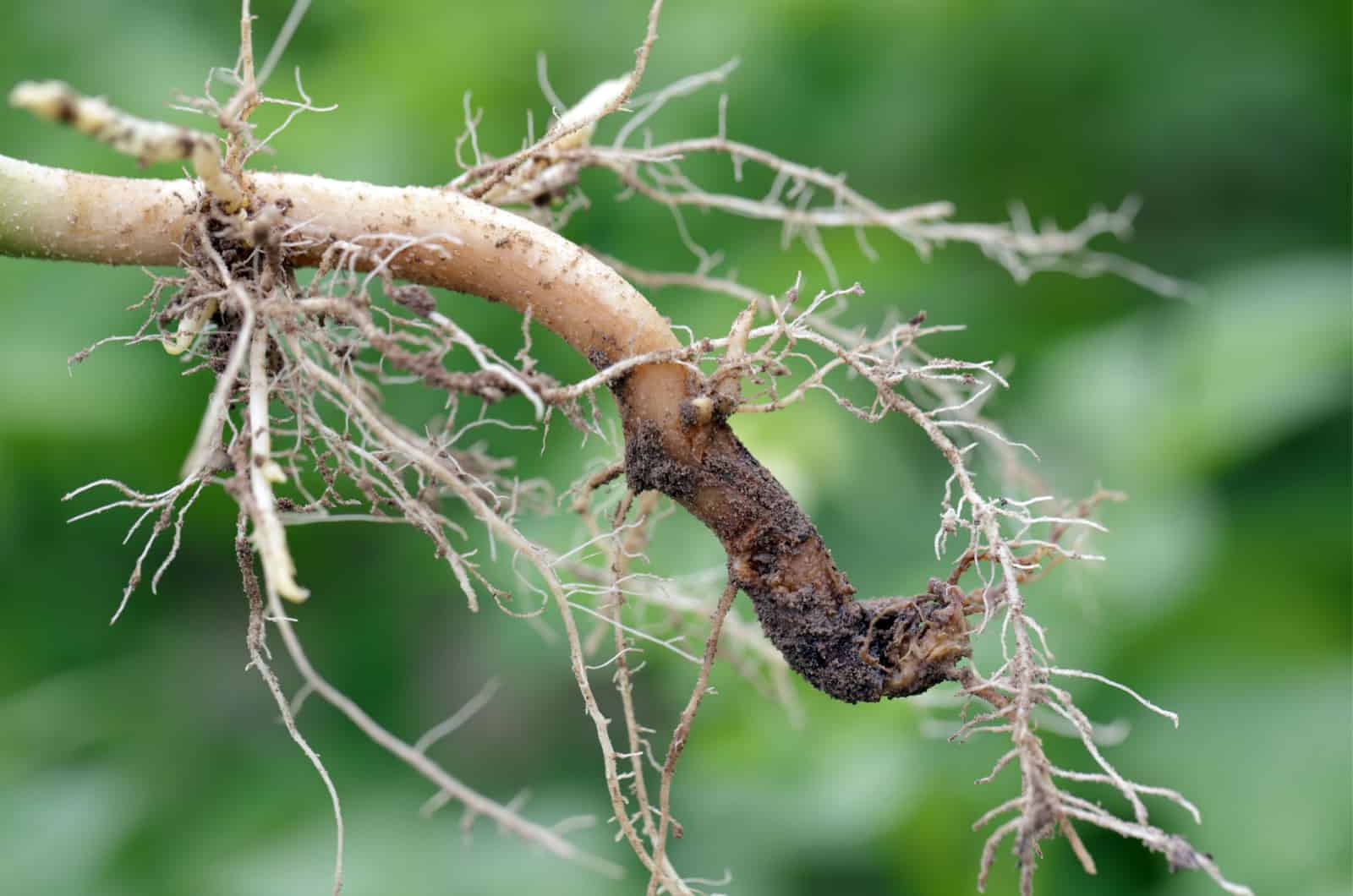
Prayer plant root rot is a common problem that can be caused by overwatering, poor drainage, or fungal infections. Symptoms of root rot include yellowing leaves, stunted growth, and wilting.
Overwatering
Overwatering is the most common cause of root rot. When a prayer plant is overwatered, the roots become waterlogged and cannot get the oxygen they need to survive. This can lead to the development of root rot fungi, which can further damage the roots and eventually kill the plant.
Poor Drainage
Poor drainage can also lead to root rot. When a prayer plant is planted in a pot without drainage holes, or in a pot that is too small, the water cannot drain away properly and the roots become waterlogged. This can create an environment that is ideal for the growth of root rot fungi.
Fungal Infections
Fungal infections are another common cause of root rot. These infections can be caused by a variety of fungi, including Fusarium, Pythium, and Rhizoctonia. Fungal infections can spread through the soil or through contact with infected plants. They can cause a variety of symptoms, including yellowing leaves, stunted growth, wilting, and root rot.
Treatment and Prevention of Prayer Plant Root Rot
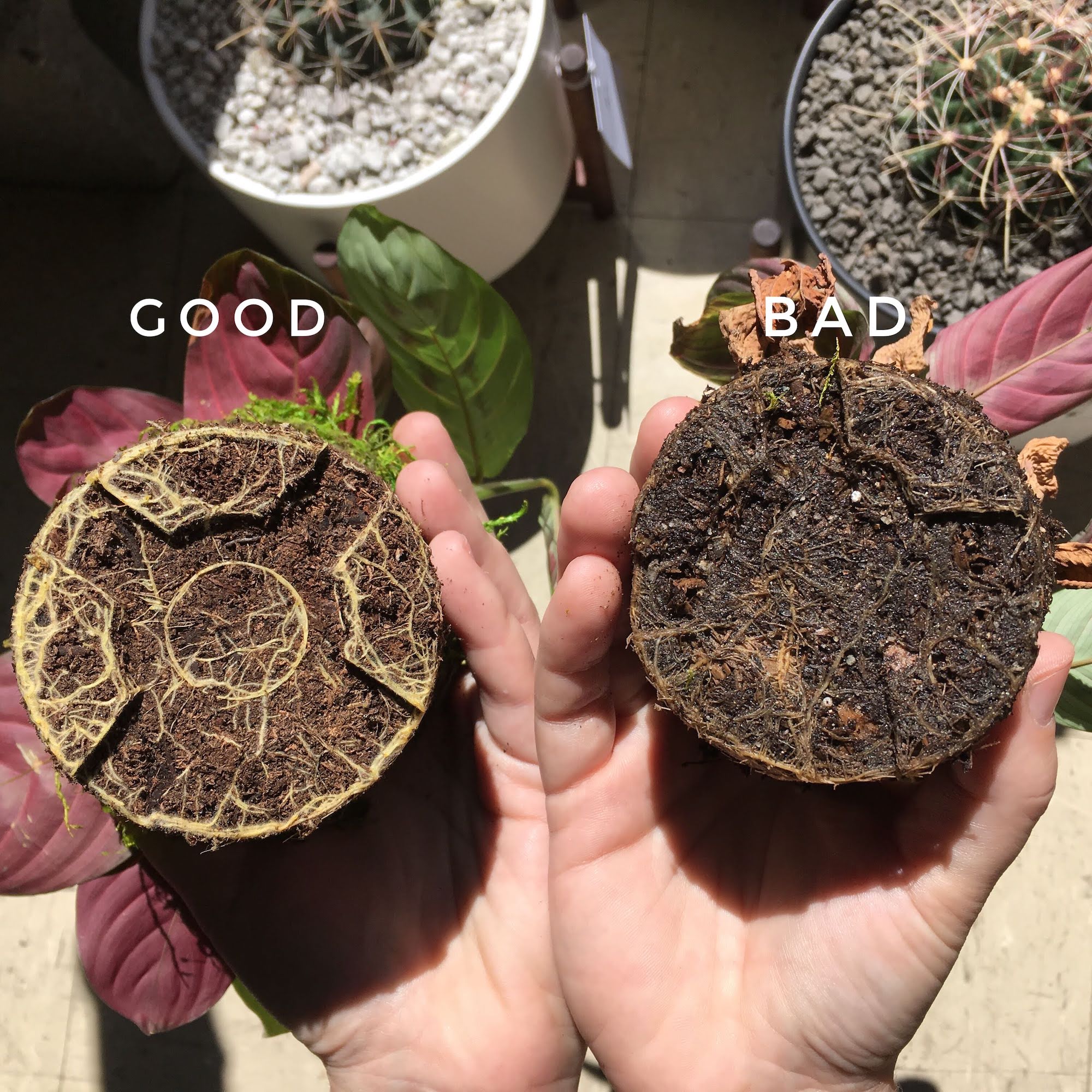
Prayer plant root rot is a serious problem that can lead to the death of the plant. However, with proper treatment and prevention, you can save your prayer plant and keep it healthy.
Treatment of Prayer Plant Root Rot
- Remove the plant from its pot and gently shake off the soil from the roots.
- Inspect the roots for any signs of rot. Rotted roots will be brown or black and mushy to the touch.
- Use a sharp knife or scissors to remove all of the infected roots.
- Repot the plant in a new pot with fresh, well-draining potting mix.
- Water the plant sparingly and allow the soil to dry out completely between waterings.
Prevention of Prayer Plant Root Rot
- Use well-draining potting mix. Prayer plants prefer a potting mix that is light and airy, and drains well.
- Avoid overwatering. Prayer plants do not like to be overwatered. Allow the soil to dry out completely between waterings.
- Ensure proper drainage holes in the pot. The pot should have drainage holes in the bottom to allow excess water to drain out.
Identifying and Managing Different Types of Prayer Plant Root Rot

Prayer plants are susceptible to several types of root rot, each caused by different pathogens. Understanding the specific symptoms and treatments for each type is crucial for effective management.
Pythium Root Rot
- Symptoms: Yellowing leaves, stunted growth, waterlogged roots with brown or black lesions.
- Treatment: Remove infected roots, repot in well-draining soil, and apply a fungicide containing mefenoxam or fosetyl-Al.
Rhizoctonia Root Rot, Prayer plant root rot
- Symptoms: Dark brown or black lesions on roots, wilting, and yellowing leaves.
- Treatment: Use a fungicide with thiophanate-methyl or etridiazole, amend soil with compost or perlite to improve drainage, and avoid overwatering.
Fusarium Root Rot
- Symptoms: Yellowing leaves, stunted growth, wilting, and brown or pink discoloration on roots.
- Treatment: Remove infected roots, repot in sterile soil, and apply a fungicide containing benomyl or thiophanate-methyl.