The arbol de hule planta, commonly known as the rubber tree, is a remarkable plant species that has played a crucial role in the development of various industries. With its unique properties and widespread cultivation, the rubber tree stands as a testament to the marvels of the plant kingdom.
This article delves into the plant biology, cultivation practices, economic significance, and intriguing facts surrounding the arbol de hule planta, providing a comprehensive understanding of this valuable tree.
Plant Biology and Classification: Arbol De Hule Planta
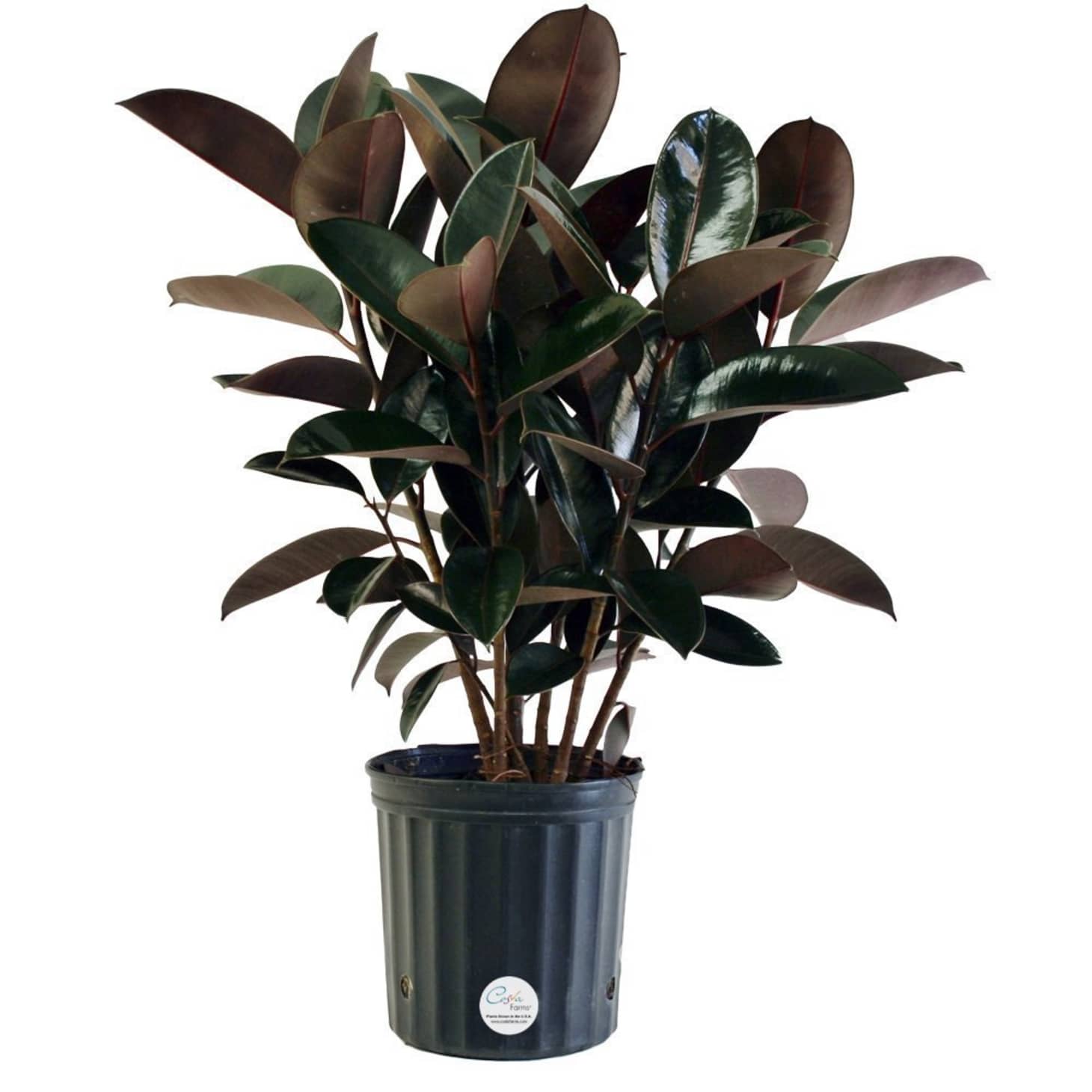
The rubber tree plant, also known scientifically as Hevea brasiliensis, is a remarkable species belonging to the Euphorbiaceae family. It is native to the Amazon rainforest and is renowned for its unique ability to produce natural rubber latex. Understanding the plant’s biology and classification is crucial for appreciating its ecological significance and economic value.
Taxonomically, Hevea brasiliensis is classified as follows:
- Kingdom: Plantae
- Division: Magnoliophyta
- Class: Magnoliopsida
- Order: Malpighiales
- Family: Euphorbiaceae
- Genus: Hevea
- Species: Hevea brasiliensis
The rubber tree exhibits distinctive botanical characteristics that contribute to its adaptability and resilience in its natural habitat. Its leaves are compound, consisting of three leaflets arranged palmately at the end of a petiole. The leaflets are typically elliptical to ovate in shape with smooth margins and prominent veins.
The stem of the rubber tree is woody and cylindrical, providing structural support and a means for water and nutrient transport. The root system is extensive, with a primary taproot and numerous lateral roots that anchor the tree and absorb water and nutrients from the soil.
One of the most remarkable features of the rubber tree is its ability to produce latex, a milky fluid that contains rubber particles. Latex is stored in specialized cells called laticifers, which form an extensive network throughout the plant’s tissues. When the bark is cut or damaged, latex exudes as a protective mechanism to prevent water loss and deter pests.
The rubber tree’s latex is composed of approximately 30% rubber particles, along with proteins, carbohydrates, and other compounds. The rubber particles are composed of cis-1,4-polyisoprene, a long chain of isoprene units that gives rubber its unique elastic properties.
Cultivation and Distribution

The rubber tree plant, known scientifically as Hevea brasiliensis, is a tropical species that thrives in specific environmental conditions. Understanding these requirements is crucial for successful cultivation and optimal rubber production.
Ideal Growing Conditions
Rubber trees prefer well-drained, loamy soils with a pH between 5.0 and 6.0. They require ample sunlight for photosynthesis, but can tolerate partial shade. The optimal temperature range for rubber tree growth is between 25°C and 35°C (77°F to 95°F).
Propagation Methods, Arbol de hule planta
Rubber tree plants can be propagated through both sexual and asexual methods.
- Sexual propagation: Seeds are obtained from mature rubber trees and sown in nurseries. This method is less common due to the genetic variability of seedlings and the long time required to establish productive trees.
- Asexual propagation: Vegetative propagation techniques such as grafting and budding are widely used to produce genetically identical clones of high-yielding trees. These methods ensure uniform quality and reduce the time to maturity.
Distribution of Rubber Tree Plantations
Rubber tree plantations are primarily established in tropical regions with suitable climate and soil conditions. The largest rubber-producing countries include Thailand, Indonesia, Malaysia, and Vietnam. These countries benefit from favorable temperatures, high rainfall, and an abundance of land suitable for cultivation.
Factors influencing the distribution of rubber tree plantations include:
- Climate: The ideal temperature range, rainfall patterns, and sunlight availability are critical factors.
- Soil: Well-drained, loamy soils with the appropriate pH are essential for optimal growth.
- Economic factors: Availability of labor, infrastructure, and market demand influence the establishment of plantations.
- Political stability: Long-term investments in rubber tree cultivation require political stability and favorable government policies.
Economic Importance and Uses
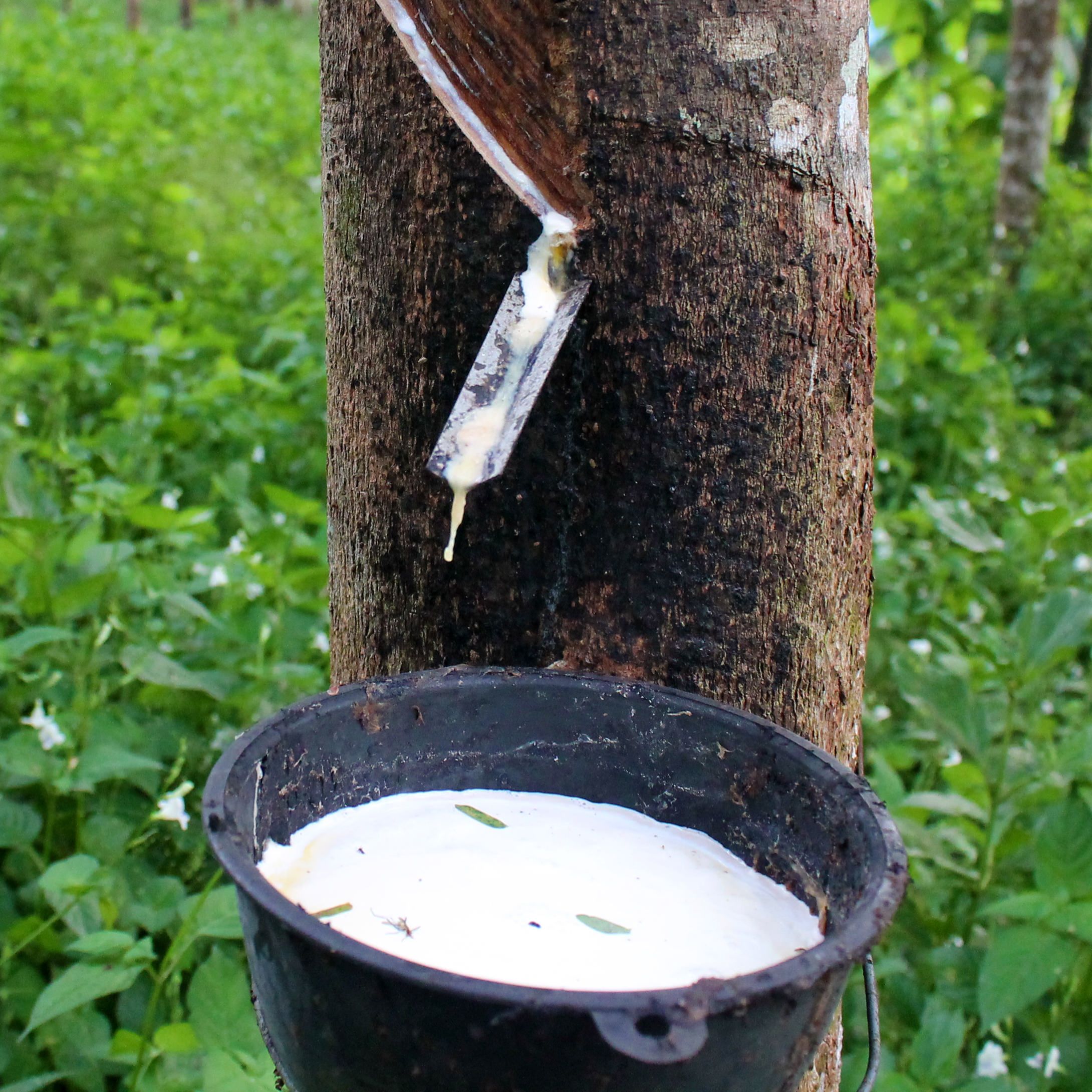
The rubber tree plant, scientifically known as Hevea brasiliensis, holds significant economic and historical importance as a source of natural rubber. Natural rubber, a crucial material in various industries, is obtained from the milky latex extracted from the tree’s bark. The discovery and utilization of rubber have profoundly impacted the development of numerous sectors, including transportation, manufacturing, and healthcare.
Products Derived from Natural Rubber
Natural rubber finds application in a wide range of products, including:
- Vehicle tires, providing traction, durability, and resistance to wear and tear.
- Industrial hoses, belts, and gaskets, owing to its elasticity, flexibility, and resistance to chemicals.
- Medical gloves, catheters, and other medical supplies, due to its hypoallergenic properties and barrier against contaminants.
- Sports equipment, such as balls, grips, and protective gear, benefiting from its shock absorption and rebound properties.
Economic and Social Impacts of Rubber Production
The rubber industry has a substantial economic and social impact:
- Economic Impact: Natural rubber production is a significant income generator for rubber-producing countries, providing employment and contributing to foreign exchange earnings.
- Social Impact: Rubber plantations create job opportunities in rural areas, improving livelihoods and fostering community development.
- Environmental Impact: Rubber plantations can contribute to deforestation and environmental degradation if not managed sustainably. However, sustainable practices, such as agroforestry and reforestation, can mitigate these impacts.
Challenges Faced by the Industry
The rubber industry faces several challenges, including:
- Price Volatility: Natural rubber prices fluctuate significantly due to supply and demand dynamics, affecting the profitability of rubber producers.
- Competition from Synthetic Rubber: Synthetic rubber, derived from petroleum, poses competition to natural rubber in certain applications due to its lower cost and improved properties.
- Diseases and Pests: Rubber trees are susceptible to various diseases and pests, which can significantly reduce yields and impact the industry’s sustainability.