The four row corn planter, an agricultural marvel, revolutionizes the farming industry with its unparalleled precision and efficiency. Embark on a journey into the world of corn planting, where technology and agriculture harmoniously intertwine, ensuring optimal crop yields and sustainable farming practices.
From the intricacies of technical specifications to the nuances of operation and maintenance, this guide delves into the multifaceted aspects of four row corn planters, empowering farmers with the knowledge to harness their full potential.
Technical Specifications and Features: Four Row Corn Planter

A four-row corn planter is a specialized agricultural machine designed to efficiently plant corn seeds in precise rows. It consists of several key components, including row units, seed metering mechanisms, and depth control systems, each playing a crucial role in ensuring optimal seed placement and emergence.
The row spacing, typically adjustable from 30 to 40 inches, determines the distance between the rows of corn plants. This spacing is crucial as it influences factors such as sunlight penetration, nutrient availability, and ease of cultivation during the growing season.
Seed Spacing
Seed spacing refers to the distance between individual corn seeds within a row. Precise seed spacing is essential to avoid overcrowding or under-seeding, ensuring uniform plant growth and maximizing yield potential. Modern planters utilize various seed metering mechanisms, such as vacuum or air planters, to achieve accurate seed placement.
- Vacuum planters create a vacuum to pick up and transport seeds from the seed hopper to the seed tube. They offer precise seed spacing and can handle a wide range of seed sizes and shapes.
- Air planters utilize a stream of air to convey seeds through the seed tube. They are less precise than vacuum planters but can operate at higher speeds and are less prone to seed damage.
Depth Control
Depth control mechanisms ensure that seeds are planted at the optimal depth for germination and emergence. Proper planting depth is critical as it affects soil moisture availability, seed-to-soil contact, and protection from pests and diseases.
- Mechanical depth control systems use adjustable press wheels or depth bands to regulate the planting depth. They are simple and reliable but may require manual adjustments for different soil conditions.
- Hydraulic depth control systems utilize hydraulic cylinders to adjust the planting depth. They offer precise depth control and can be easily adjusted on the go.
Proper planter setup and calibration are paramount to ensure optimal seed placement and emergence. This involves adjusting row spacing, seed spacing, and depth control settings based on specific field conditions, seed variety, and desired plant population. Accurate planter setup maximizes seed germination, uniform plant growth, and ultimately, crop yield.
Operation and Maintenance
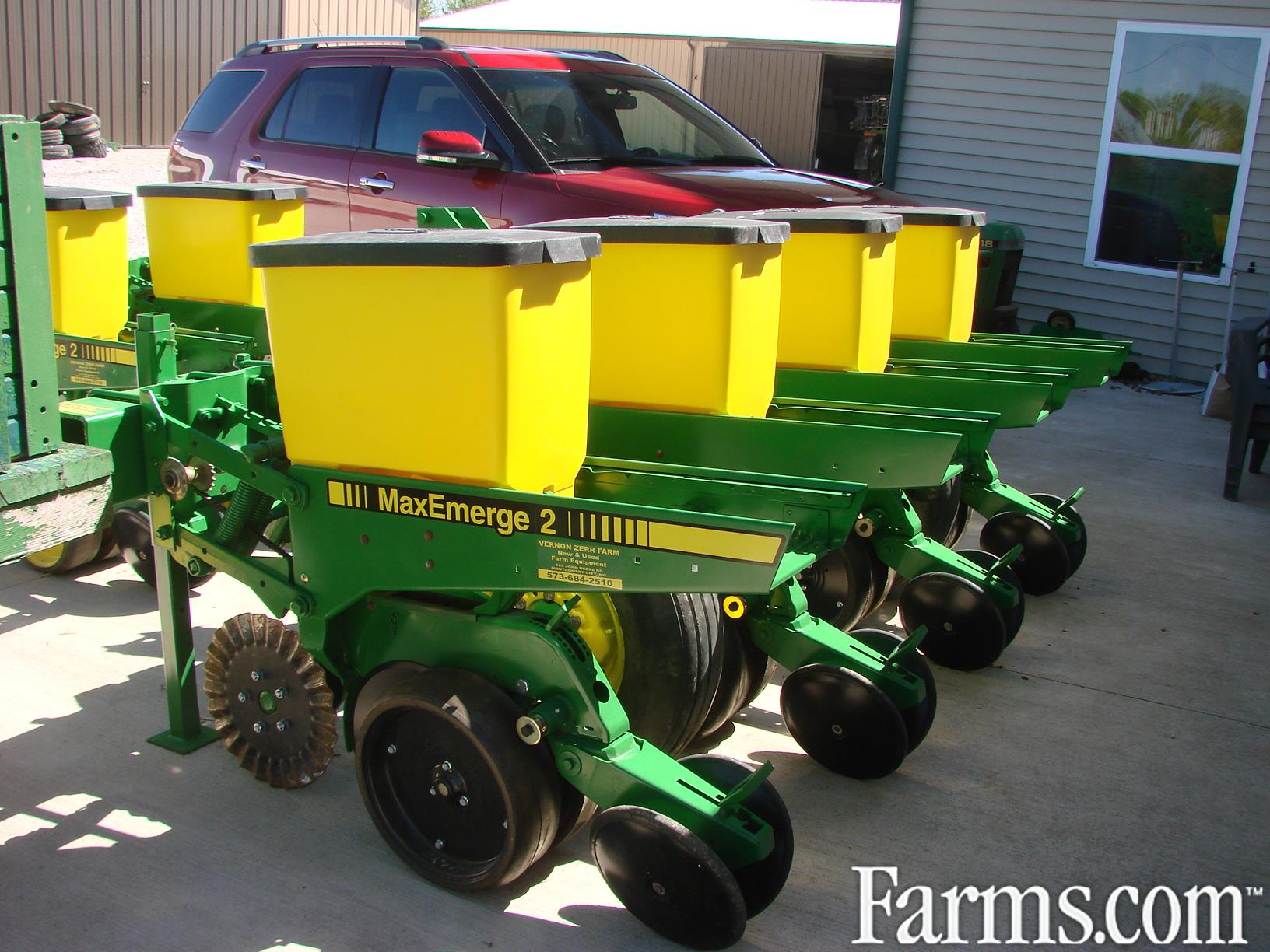
Operating and maintaining a four row corn planter requires a combination of technical expertise and attention to detail. Understanding the steps involved in operating the planter and the importance of regular maintenance is crucial for ensuring efficient seed placement, crop establishment, and overall planter longevity.
Field Preparation and Seed Placement
Prior to planting, proper field preparation is essential. This includes clearing the field of debris, leveling the soil, and ensuring adequate soil moisture. The planter’s settings should be adjusted based on the field conditions and seed variety. Factors such as row spacing, seed depth, and seed spacing need to be carefully calibrated to optimize seed placement and emergence.
Planter Settings Adjustment
Adjusting the planter settings is crucial for accommodating different field conditions and seed varieties. Row spacing is typically set between 30 and 36 inches, while seed depth can vary from 1.5 to 2.5 inches depending on soil type and moisture levels. Seed spacing, which determines the number of seeds planted per foot of row, can be adjusted to achieve the desired plant population.
Regular Maintenance and Inspection
Regular maintenance and inspection are essential for keeping the planter in good working condition and preventing costly breakdowns. This includes checking the planter’s frame, wheels, and seed metering system for any signs of wear or damage. Lubricating moving parts, such as bearings and chains, helps reduce friction and prolong their lifespan. Additionally, inspecting the seed hoppers and cleaning any debris or blockages ensures consistent seed flow and accurate placement.
Agronomic Considerations

Optimizing the performance of a four row corn planter requires careful consideration of agronomic factors that can significantly influence crop yield and quality. These factors include soil type, seed quality, and planting depth.
The type of soil in which the corn is planted can impact planter performance. Heavier soils, such as clay, can cause the planter to pack the soil around the seed, reducing seed-to-soil contact and emergence. Lighter soils, such as sand, may not provide enough support for the seed, leading to poor root development and reduced yields.
Seed Quality, Four row corn planter
The quality of the seed used can also affect planter performance. High-quality seed with good germination rates and uniform size will ensure consistent planting depth and spacing, resulting in a more uniform crop stand. Poor-quality seed may lead to uneven emergence, reduced yields, and increased weed pressure.
Planting Depth
Planting depth is a critical factor that influences corn emergence and root development. Optimal planting depth varies depending on soil type and environmental conditions. In general, corn should be planted at a depth of 1.5 to 2 inches (3.8 to 5.1 cm) in well-drained soils and 2 to 2.5 inches (5.1 to 6.4 cm) in heavier soils.
Planting too shallow can result in poor root development, increased susceptibility to drought and wind damage, and reduced yields. Planting too deep can delay emergence, reduce seedling vigor, and increase the risk of disease and insect damage.