From the verdant hues of forests to the azure depths of oceans, green and blue plants captivate our senses and play a pivotal role in the intricate tapestry of life. Delving into their pigments, ecology, and horticultural applications, this article unveils the fascinating world of these botanical wonders.
These pigments, such as chlorophyll and phycocyanin, harness the sun’s energy through photosynthesis, providing sustenance for countless organisms. Ecologically, green and blue plants form the foundation of food webs, shelter diverse species, and contribute to nutrient cycling.
Green and Blue Pigments in Plants
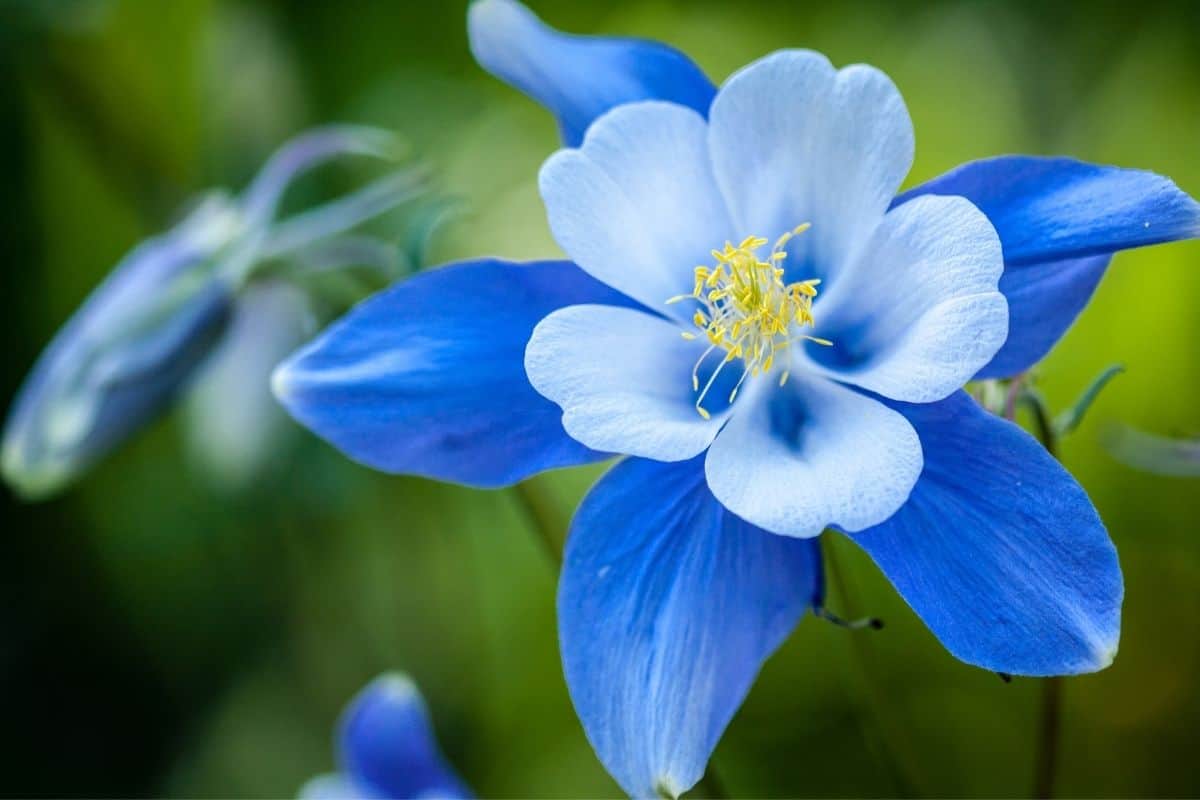
Plants have a remarkable ability to synthesize and utilize a diverse array of pigments to capture light energy for photosynthesis. Among these pigments, green and blue pigments play crucial roles in light absorption and the photosynthetic process.
Chlorophyll
Chlorophyll is the primary green pigment responsible for photosynthesis in plants. It is a complex organic molecule consisting of a porphyrin head group and a long hydrophobic tail. The porphyrin head group contains a central magnesium ion coordinated by four nitrogen atoms. Attached to the porphyrin head is a long hydrocarbon tail called a phytol chain.
Chlorophyll molecules are embedded within the thylakoid membranes of chloroplasts, where they form light-harvesting complexes called photosystems. These photosystems capture light energy and use it to drive the reactions of photosynthesis.
Phycobilins
Phycobilins are a group of blue and red pigments found in cyanobacteria and certain algae. They are water-soluble pigments that are structurally similar to chlorophyll but lack the central magnesium ion. Phycobilins are typically attached to proteins and are found in phycobilisomes, which are light-harvesting complexes that are located on the surface of thylakoid membranes.
Phycobilins play a complementary role to chlorophyll in photosynthesis. They absorb light energy in the blue and red regions of the spectrum, which are not efficiently absorbed by chlorophyll. The absorbed light energy is then transferred to chlorophyll molecules, which use it to drive the reactions of photosynthesis.
Ecological Significance of Green and Blue Plants

Green and blue plants are the foundation of nearly every ecosystem on Earth. They provide food, shelter, and oxygen for a wide variety of organisms, and they play a vital role in nutrient cycling and soil health.
Biodiversity and Habitat
Green and blue plants support a vast array of biodiversity. Their leaves, stems, and roots provide habitat for insects, birds, mammals, and other animals. The flowers of green and blue plants attract pollinators, such as bees and butterflies, which are essential for the reproduction of many plant species.
Nutrient Cycling
Green and blue plants play a crucial role in nutrient cycling. They absorb nutrients from the soil and water, and they release these nutrients back into the environment through their decomposition. This process helps to maintain the fertility of the soil and ensures that other organisms have access to the nutrients they need to survive.
Soil Health
The roots of green and blue plants help to hold the soil in place, preventing erosion. They also improve soil structure by adding organic matter and creating air pockets. This helps to improve drainage and aeration, which are essential for healthy plant growth.
Horticultural Applications of Green and Blue Plants

Green and blue plants have gained popularity in landscaping and gardening due to their aesthetic appeal and ecological benefits. Incorporating these plants into garden designs offers various advantages, both visually and functionally.
Examples of Green and Blue Plants in Landscaping
Commonly used green plants in landscaping include:
- Evergreens: Conifers like pines, firs, and spruces provide year-round greenery.
- Groundcovers: Plants like ivy, pachysandra, and vinca create dense carpets that suppress weeds.
- Shrubs: Boxwood, holly, and rhododendron offer structure and privacy.
- Trees: Deciduous trees like maples, oaks, and birches provide shade and seasonal color.
Examples of blue plants used in landscaping:
- Hostas: Large-leaved perennials with striking blue foliage.
- Salvia: Flowering plants with vibrant blue blooms.
- Delphiniums: Tall, stately plants with blue spires of flowers.
- Agapanthus: Bulbous plants with clusters of blue trumpet-shaped flowers.
Aesthetic and Functional Benefits of Green and Blue Plants in Gardens
Green plants create a sense of tranquility and freshness, while blue plants bring a touch of serenity and calmness to garden spaces.
Green plants absorb carbon dioxide and release oxygen, contributing to air purification. They also provide shade, reduce noise pollution, and create habitats for wildlife.
Blue plants are known to repel insects and have medicinal properties. Their calming effects can promote relaxation and reduce stress.
Cultural Conditions and Maintenance Requirements
Green and blue plants have specific cultural conditions and maintenance requirements that should be considered:
Light Requirements: Most green plants prefer partial to full sun, while blue plants often thrive in shaded areas.
Water Requirements: Green plants typically require moderate watering, while blue plants may tolerate drought conditions.
Soil Requirements: Green plants prefer well-drained, nutrient-rich soil, while blue plants can tolerate a wider range of soil types.
Fertilization: Green plants benefit from regular fertilization, while blue plants may require less frequent feeding.
Pruning: Green plants may require regular pruning to maintain their shape, while blue plants usually need minimal pruning.
By understanding the specific needs of green and blue plants, gardeners can successfully incorporate these vibrant and beneficial plants into their landscapes.