
Plant food for gardens, the cornerstone of thriving greenery, opens a realm of possibilities for nurturing your botanical wonders. Delve into this captivating guide as we unravel the secrets of selecting, applying, and maximizing the benefits of plant food, empowering you to cultivate a garden bursting with vitality and splendor.
Types of Plant Food for Gardens

Providing adequate nutrition is essential for healthy plant growth and bountiful harvests in gardens. Various types of plant food are available, each with unique characteristics and benefits. Understanding the different types of plant food enables gardeners to make informed choices based on their specific needs and preferences.
Organic Fertilizers, Plant food for garden
Organic fertilizers are derived from natural sources, such as animal manure, plant materials, and compost. They release nutrients gradually over time, improving soil structure and promoting beneficial microbial activity.
- Advantages: Environmentally friendly, sustainable, and enhance soil health.
- Disadvantages: Slower nutrient release compared to synthetic fertilizers, may require more frequent applications.
Synthetic Fertilizers
Synthetic fertilizers are manufactured chemicals that provide a concentrated source of nutrients. They are typically faster-acting than organic fertilizers, but can also be more prone to nutrient leaching and environmental concerns.
- Advantages: Rapid nutrient availability, convenient to use, and precise nutrient ratios.
- Disadvantages: Potential for nutrient imbalances, environmental impact, and soil degradation.
Slow-Release Fertilizers
Slow-release fertilizers are designed to release nutrients gradually over an extended period, reducing the risk of nutrient loss and promoting consistent plant growth. They are often coated or encapsulated to control nutrient release.
- Advantages: Reduced nutrient leaching, less frequent applications, and consistent nutrient availability.
- Disadvantages: May be more expensive than other types of fertilizers, may not be suitable for all plant types.
Specific Nutrients and Plant Growth
Different types of plant food provide specific nutrients that are essential for plant growth. These nutrients include:
- Nitrogen (N): Promotes leaf growth and overall plant vigor.
- Phosphorus (P): Supports root development and flowering.
- Potassium (K): Enhances fruit and seed production, and disease resistance.
- Calcium (Ca): Strengthens cell walls and improves fruit quality.
- Magnesium (Mg): Involved in chlorophyll production and photosynthesis.
How to Choose the Right Plant Food
Selecting the appropriate plant food is crucial for maximizing plant growth and overall garden health. Factors to consider include soil type, plant species, and desired results. By understanding these aspects, gardeners can choose the ideal plant food to meet their specific gardening needs.
Soil Type
Soil pH and nutrient content play a vital role in determining the effectiveness of plant food. Soil testing can provide valuable insights into the soil’s nutrient levels and pH, allowing gardeners to tailor their plant food choices accordingly.
Plant Species
Different plant species have varying nutrient requirements. For example, flowering plants require more phosphorus, while leafy vegetables need more nitrogen. Choosing a plant food that is specifically formulated for the type of plants being grown ensures optimal nutrition.
Desired Results
The desired results also influence plant food selection. For instance, if the goal is to promote rapid growth, a plant food with higher nitrogen content would be suitable. Alternatively, if the aim is to enhance flowering, a plant food with more phosphorus would be preferred.
Table: Key Features and Applications of Different Plant Foods
| Plant Food Type | Key Features | Applications |
|---|---|---|
| Organic Plant Food | Natural ingredients, slow-release, improves soil structure | Long-term soil health, sustainable gardening |
| Chemical Plant Food | Synthetic ingredients, fast-acting, provides specific nutrients | Quick nutrient delivery, correcting deficiencies |
| Liquid Plant Food | Water-soluble, easy to apply, rapid absorption | Foliar feeding, quick nutrient boost |
| Granular Plant Food | Solid form, slow-release, convenient application | Long-term nutrient supply, easy to spread |
Best Practices for Applying Plant Food: Plant Food For Garden
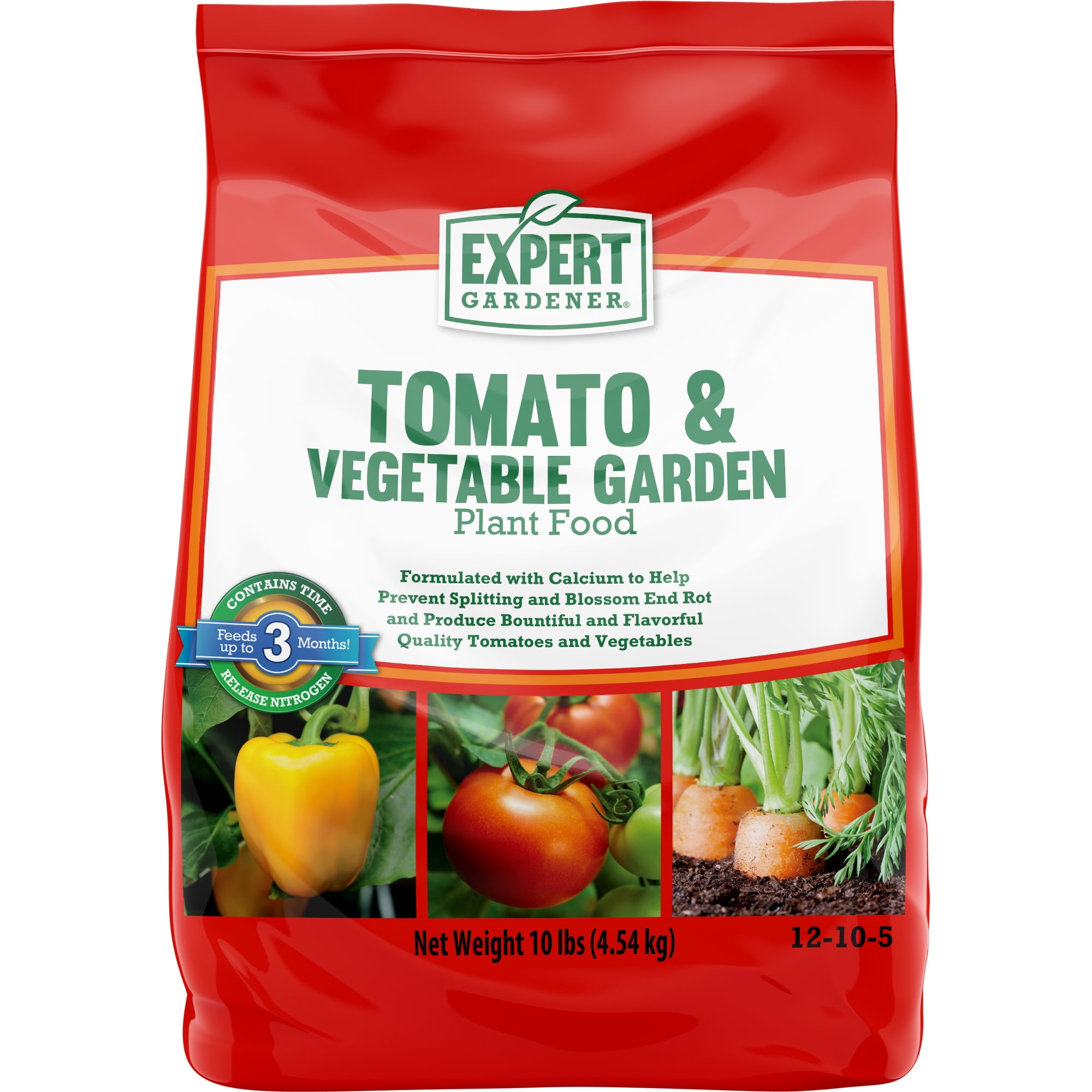
Applying plant food effectively is crucial for optimal plant growth and health. Understanding proper techniques, timing, and frequency is essential to avoid over-fertilization and nutrient deficiencies.
Methods of Application
There are several methods for applying plant food:
- Broadcast application: Evenly spreading the plant food over the soil surface and gently raking it in.
- Band application: Applying the plant food in a narrow band along the plant’s root zone.
- Foliar application: Spraying the plant food solution directly onto the leaves.
Timing and Frequency
The timing and frequency of plant food application depend on the type of plant, soil conditions, and climate.
- Annuals and vegetables: Fertilize every 4-6 weeks during the growing season.
- Perennials: Fertilize once or twice a year, in early spring and fall.
- Trees and shrubs: Fertilize once or twice a year, in spring and fall.
Importance of Avoiding Over-Fertilization
Over-fertilization can lead to nutrient imbalances, root damage, and reduced plant growth. Symptoms include:
- Yellow or brown leaf tips
- Scorched or stunted growth
- Root rot
Tips for Maximizing Effectiveness
To maximize the effectiveness of plant food application:
- Follow the instructions on the plant food label carefully.
- Water the plants before and after applying plant food.
- Avoid applying plant food during hot, dry weather.
- Consider using organic plant food sources such as compost or manure.
Preventing Nutrient Deficiencies
Nutrient deficiencies can occur if plants do not receive adequate amounts of essential nutrients. Symptoms include:
- Yellow or pale leaves
- Stunted growth
- Reduced flowering and fruiting
To prevent nutrient deficiencies, use a balanced plant food that provides all essential nutrients. Conduct soil tests regularly to determine the specific nutrient needs of your plants.
