Plants for gecko tank – When it comes to creating a healthy and stimulating environment for your gecko, plants play a crucial role. Discover the best plant species for gecko tanks, their benefits, and expert tips on care and maintenance to enhance your gecko’s well-being and create a visually stunning habitat.
From providing hiding places and reducing stress to improving air quality, plants offer a range of advantages for your gecko. Learn how to select the right plants based on your gecko’s species, tank size, and environmental conditions, ensuring a harmonious coexistence between your pet and its botanical companions.
Plant Species Suitable for Gecko Tanks
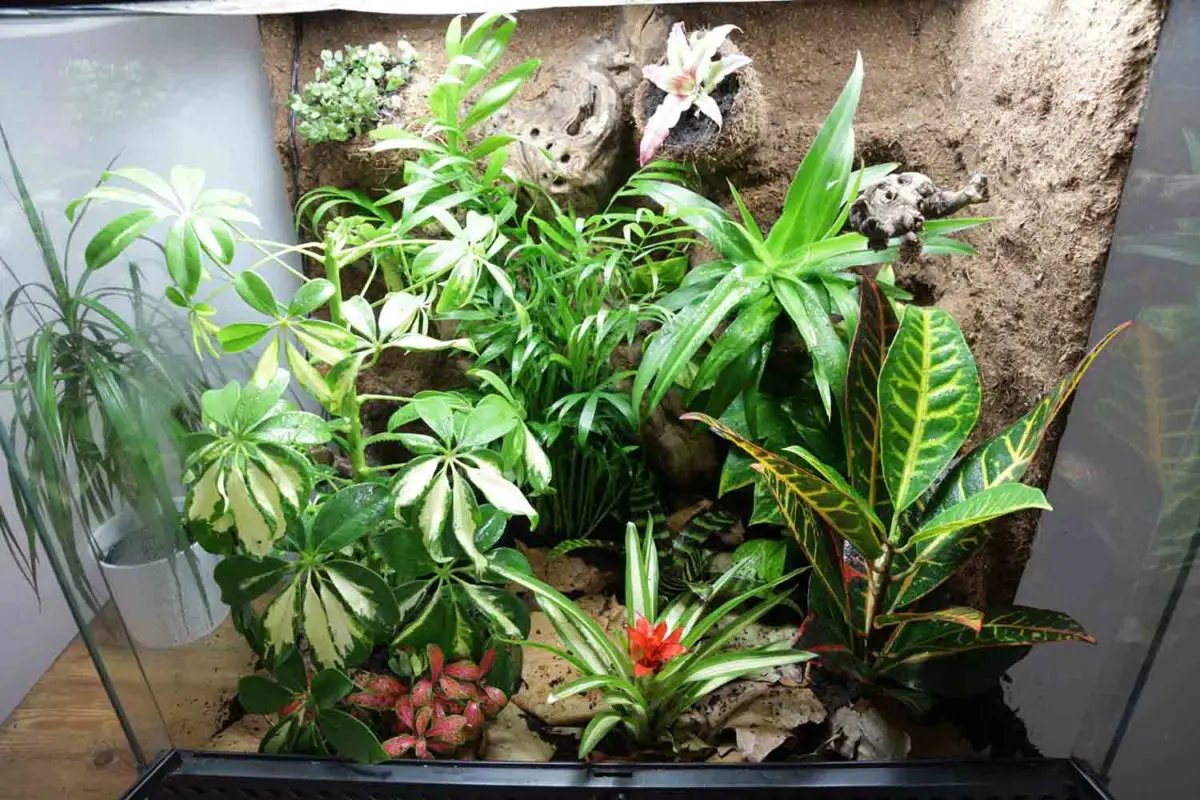
Incorporating live plants into a gecko tank can provide numerous benefits, such as creating hiding places, reducing stress, and improving air quality. However, it is essential to choose plant species that are safe and suitable for the specific gecko species being kept.
The following is a list of plant species that are commonly used in gecko tanks:
- Pothos (Epipremnum aureum): This hardy plant is easy to care for and can tolerate a wide range of light conditions. It provides dense foliage that can create hiding places for geckos.
- Snake plant (Sansevieria trifasciata): This succulent plant is known for its hardiness and ability to tolerate drought. It has upright leaves that can add a vertical element to the tank.
- Spider plant (Chlorophytum comosum): This plant produces long, trailing stems with small, spider-like plantlets. It is a good choice for tanks with larger geckos, as it can provide both hiding places and climbing opportunities.
- Golden pothos (Epipremnum aureum ‘Golden’): This variegated variety of pothos has bright yellow leaves that can add a splash of color to the tank. It has similar care requirements to regular pothos.
- Chinese evergreen (Aglaonema spp.): This plant has large, glossy leaves that can tolerate low light conditions. It is a good choice for tanks with shaded areas.
- Prayer plant (Maranta leuconeura): This plant has colorful leaves that fold up at night, resembling praying hands. It prefers high humidity and indirect light.
When selecting plants for a gecko tank, it is important to consider the size of the tank, the light requirements of the plants, and the care requirements of the geckos. The following table provides a comparison of the different plant species discussed above based on these factors:
| Plant Species | Size | Light Requirements | Care Requirements |
|---|---|---|---|
| Pothos | Small to medium | Low to bright indirect light | Easy to care for, tolerates drought |
| Snake plant | Small to large | Low to bright indirect light | Very hardy, tolerates drought |
| Spider plant | Medium to large | Bright indirect light | Moderate care, prefers moist soil |
| Golden pothos | Small to medium | Low to bright indirect light | Easy to care for, tolerates drought |
| Chinese evergreen | Small to large | Low to bright indirect light | Moderate care, prefers moist soil |
| Prayer plant | Small to medium | High humidity, indirect light | Moderate care, prefers moist soil |
Considerations for Plant Selection
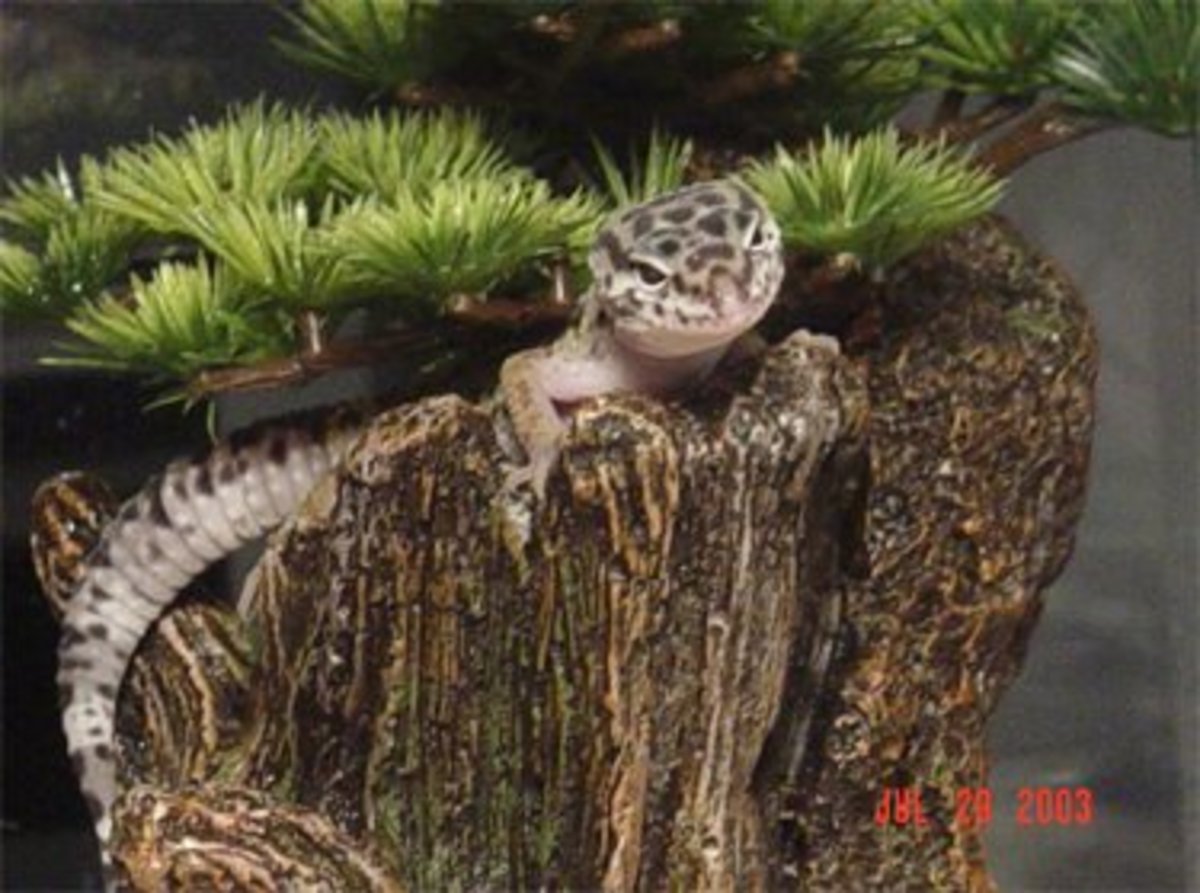
When selecting plants for a gecko tank, several factors must be taken into account to ensure the well-being of the gecko and the aesthetics of the enclosure.
Gecko Species
The type of gecko species inhabiting the tank should be considered. Different species have varying environmental requirements, and some plants may be more suitable than others based on the gecko’s natural habitat. For example, desert-dwelling geckos prefer plants adapted to arid conditions, while tropical geckos thrive in humid environments with lush vegetation.
Tank Size
The size of the gecko tank is a crucial factor in plant selection. Small tanks may not have sufficient space for large plants, while larger tanks can accommodate a wider variety of plant species. Consider the tank’s dimensions and the amount of space required for the gecko’s activities when selecting plants.
Environmental Conditions
The environmental conditions within the gecko tank should be considered when choosing plants. Factors such as humidity, temperature, and lighting should be taken into account. Plants should be selected that can tolerate the specific environmental conditions of the tank to ensure their survival and growth.
Plant Toxicity
It is essential to choose non-toxic plants for the gecko tank. Some plants can be harmful or even fatal to geckos if ingested. Thorough research should be conducted to ensure that the selected plants are safe for the gecko’s consumption.
Maintenance Requirements, Plants for gecko tank
The maintenance requirements of the plants should be considered. Some plants require regular watering, pruning, or fertilization, while others are relatively low-maintenance. Choose plants that are compatible with the gecko’s care routine and do not require excessive attention.
Visual Appeal
In addition to their practical considerations, plants should also complement the gecko’s natural surroundings and create a visually appealing environment. Select plants with colors, textures, and shapes that enhance the aesthetics of the tank and provide visual enrichment for the gecko.
Plant Care and Maintenance: Plants For Gecko Tank
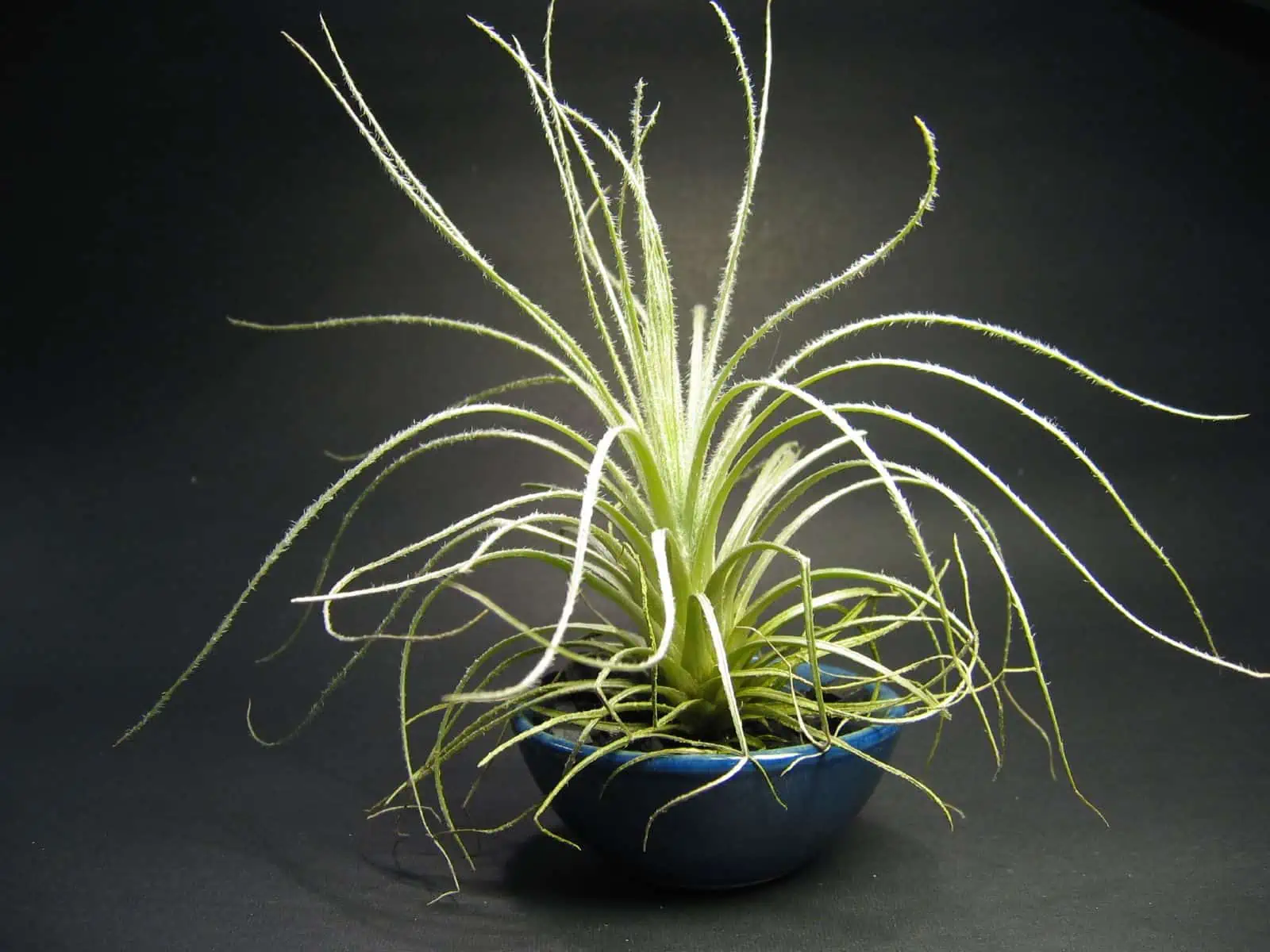
Ensuring the well-being of plants in a gecko tank requires diligent care and maintenance. This involves providing optimal lighting conditions, maintaining appropriate watering frequency, and meeting the fertilization needs of different plant species. Additionally, preventing common plant problems, such as overwatering, pests, and diseases, is crucial for maintaining a thriving plant community within the tank.
Lighting Conditions
The lighting requirements of plants in a gecko tank vary depending on the species. Some plants, such as succulents and cacti, thrive under bright, direct light, while others, such as ferns and mosses, prefer shaded or indirect light. It is essential to research the specific light requirements of each plant species and provide appropriate lighting conditions to ensure their optimal growth and health.
Watering Frequency
The frequency of watering plants in a gecko tank depends on factors such as the plant species, the size of the tank, and the humidity levels. In general, it is best to allow the soil to dry out slightly between waterings to prevent overwatering. Overwatering can lead to root rot and other problems. The frequency of watering should be adjusted based on the specific needs of each plant species and the environmental conditions within the tank.
Fertilization Requirements
Fertilization is essential for providing plants with the nutrients they need to grow and thrive. The type and frequency of fertilization will vary depending on the plant species and the potting mix used. It is important to follow the recommended fertilization schedule for each plant species to avoid over- or under-fertilizing.
Preventing Common Plant Problems
Overwatering, pests, and diseases are common problems that can affect plants in a gecko tank. Overwatering can be prevented by allowing the soil to dry out slightly between waterings. Pests can be controlled by using appropriate pest control methods, such as insecticidal soap or neem oil. Diseases can be prevented by maintaining good hygiene in the tank and by promptly removing any diseased plants.