
Plants in Zone 9: A Guide to Thriving Gardens in USDA Hardiness Zone 9 introduces readers to the captivating world of gardening within USDA Hardiness Zone 9, where nature’s artistry flourishes with an abundance of plant life. From vibrant blooms to lush foliage, this guide unveils the secrets to cultivating a thriving garden in this unique climatic region.
Delve into the world of Zone 9 plants, discovering their specific characteristics and optimal growing conditions. Explore creative landscaping ideas that showcase their beauty, and uncover the secrets to their care and maintenance, ensuring a flourishing garden throughout the year.
Suitable Plants for Zone 9: Plants In Zone 9
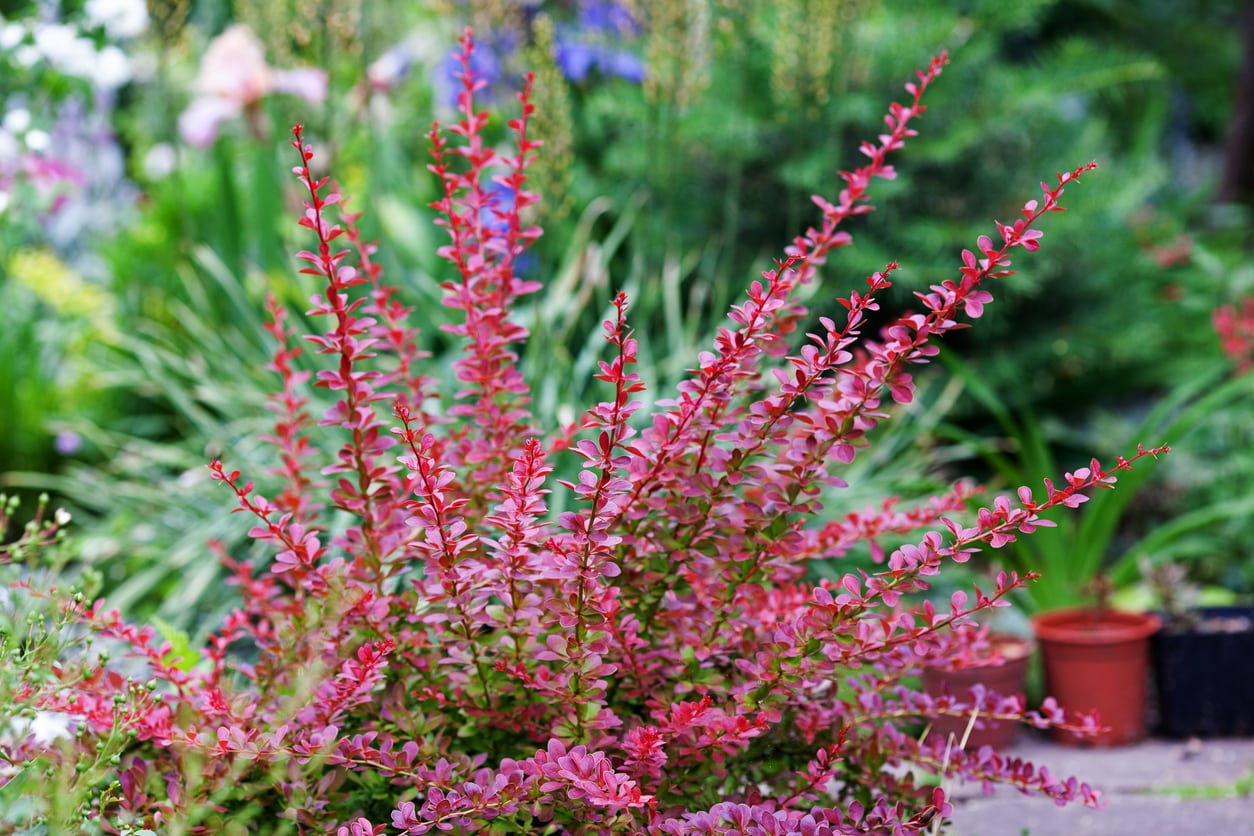
USDA Hardiness Zone 9 offers a favorable climate for gardening, with mild winters and long, warm summers. Here are some popular plant species that thrive in this zone:
These plants are known for their resilience, adaptability, and aesthetic appeal, making them excellent choices for Zone 9 gardens.
Deciduous Trees, Plants in zone 9
- Jacaranda mimosifolia (Jacaranda): Known for its stunning, bell-shaped blue flowers that bloom in the spring, Jacaranda is a medium-sized tree that can reach heights of up to 50 feet. It prefers well-drained soil and full sun exposure.
- Lagerstroemia indica (Crape Myrtle): Crape Myrtles are popular for their vibrant summer blooms that come in various colors, including pink, purple, and white. They are relatively low-maintenance trees that tolerate heat and drought well.
- Cercis canadensis (Eastern Redbud): The Eastern Redbud is a small, deciduous tree that showcases beautiful, rosy-pink flowers in early spring before the leaves emerge. It thrives in partial shade to full sun and prefers moist, well-drained soil.
Evergreen Trees
- Pinus canariensis (Canary Island Pine): This fast-growing, evergreen tree is known for its distinctive, large cones and blue-green foliage. It is drought-tolerant and can reach heights of up to 80 feet.
- Quercus virginiana (Live Oak): Live Oaks are majestic, evergreen trees with a spreading canopy and glossy, dark green leaves. They are long-lived and can provide shade for generations.
- Magnolia grandiflora (Southern Magnolia): The Southern Magnolia is a large, evergreen tree with fragrant, creamy-white flowers that bloom in the summer. It prefers acidic, well-drained soil and partial shade to full sun.
Landscaping Ideas with Zone 9 Plants
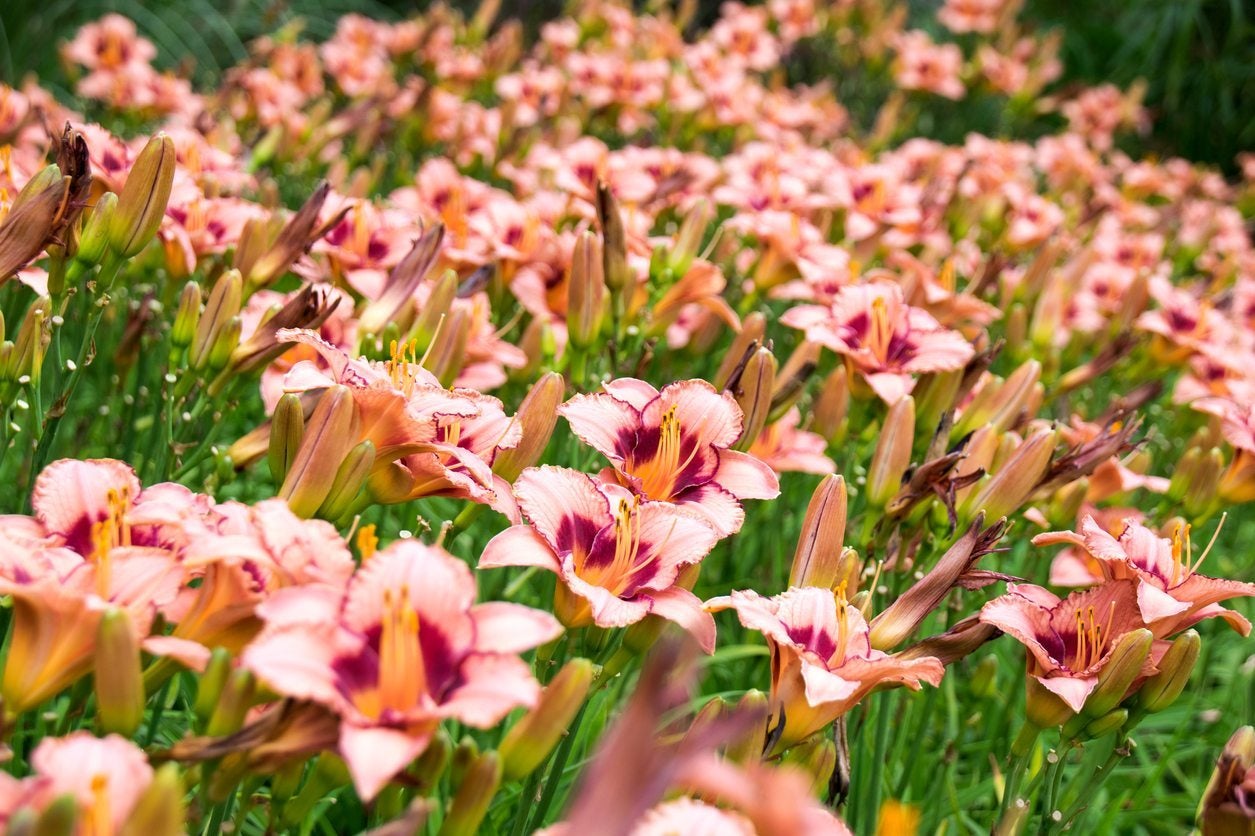
Unleash the beauty of Zone 9 plants in your outdoor spaces with these creative landscaping ideas. From vibrant gardens to cozy patios, discover how to showcase these exceptional plants and create stunning outdoor environments.
Designing a Zone 9 Garden
Create a captivating garden that thrives in the Zone 9 climate. Choose a variety of plants with diverse textures, colors, and sizes to add visual interest. Consider the mature size of plants when spacing them to prevent overcrowding. Utilize vertical gardening techniques to maximize space and create a lush backdrop.
- Use bold focal points: Plant large, statement-making plants like palm trees, bougainvillea, or tree ferns as eye-catching centerpieces.
- Layer plants for depth: Create a layered effect by combining plants of different heights and growth habits. Place taller plants in the back, followed by mid-height shrubs, and finish with groundcovers or trailing plants in the front.
- Add pops of color: Incorporate vibrant flowering plants like hibiscus, lantana, or salvia to brighten up the garden and attract pollinators.
Creating a Zone 9 Patio Oasis
Transform your patio into a serene oasis with Zone 9 plants. Select plants that tolerate partial shade or full sun, depending on the location of your patio. Consider the use of containers to create a flexible and dynamic landscape that can be easily rearranged.
- Create a living wall: Install a vertical garden on a wall or fence to add greenery and privacy to your patio. Use a variety of plants with cascading foliage or bright flowers.
- Add hanging baskets: Suspend baskets filled with trailing plants like petunias, impatiens, or begonias from the ceiling or eaves of your patio to create a whimsical and colorful display.
- Incorporate fragrant plants: Choose plants with fragrant flowers or foliage, such as jasmine, gardenia, or lavender, to create a relaxing and inviting atmosphere.
Landscaping with Zone 9 Plants on Balconies
Maximize the space on your balcony with Zone 9 plants that thrive in container gardening. Choose plants that are compact in size and have shallow root systems. Consider vertical gardening options like trellises or hanging planters to create a lush and vibrant display.
- Use vertical space: Train climbing plants like clematis or honeysuckle to grow up trellises or railings, creating a vertical green screen.
- Incorporate herbs and edibles: Grow herbs like basil, thyme, or rosemary in containers on your balcony for easy access to fresh ingredients.
- Add a touch of whimsy: Hang wind chimes or bird feeders among the plants to create a charming and inviting atmosphere.
Plant Care and Maintenance for Zone 9

The Mediterranean climate of Zone 9 offers unique growing conditions that require specific care and maintenance practices for optimal plant health. Understanding the nuances of watering, fertilizing, pruning, and pest control is crucial to ensure thriving gardens and landscapes.
Watering
Zone 9 plants have varying water needs depending on their species and the season. As a general rule, deep watering at infrequent intervals is more beneficial than frequent shallow watering. Allow the soil to dry out slightly between watering to prevent waterlogging and root rot. During the hot, dry summer months, increase watering frequency, especially for plants with shallow root systems.
Fertilizing
Regular fertilization is essential for providing plants with the nutrients they need to grow and thrive. Use a balanced fertilizer formulated for the specific type of plants you are growing. Apply fertilizer according to the manufacturer’s instructions, avoiding over-fertilization, which can lead to nutrient burn and other problems.
Pruning
Pruning helps maintain the health and appearance of Zone 9 plants. Prune dead or diseased branches and remove any suckers or water sprouts that may appear. For flowering plants, prune after blooming to encourage more blooms the following season. Hedges and shrubs can be pruned to maintain their shape and size.
Pest Control
Zone 9 plants can be susceptible to various pests and diseases. Monitor plants regularly for signs of infestation or disease. Use organic pest control methods whenever possible, such as insecticidal soap or neem oil. If necessary, use chemical pesticides as a last resort, following the instructions carefully.
Seasonal Care
Seasonal care is essential for Zone 9 plants. In the spring, focus on preparing plants for the growing season by pruning, fertilizing, and mulching. Summer care involves providing adequate water and protection from the intense heat and sun. In the fall, prepare plants for winter by pruning, fertilizing, and providing protection from frost.

