
Red ginger plant care, a topic that beckons gardeners and plant enthusiasts alike, unravels a captivating tapestry of scientific knowledge and horticultural practices. Join us as we delve into the intricacies of cultivating these vibrant and alluring plants, exploring the optimal environmental conditions, propagation techniques, and essential care routines that will lead to their flourishing growth.
From the ideal light requirements to the significance of proper drainage, this comprehensive guide unveils the secrets to nurturing healthy and thriving red ginger plants. Whether you’re a seasoned gardener or a novice embarking on a new horticultural adventure, this narrative will equip you with the knowledge and expertise to ensure the well-being of your botanical companions.
Environmental Conditions: Red Ginger Plant Care
Red ginger plants thrive in specific environmental conditions that support their growth and overall health. These conditions include optimal light levels, a suitable temperature range, adequate humidity, and well-draining soil.
Light Requirements
Red ginger plants require bright, indirect light to flourish. Direct sunlight can scorch their leaves, while insufficient light can lead to stunted growth and poor flowering. Providing ample diffused light is crucial for optimal photosynthesis and the production of vibrant foliage and flowers.
Temperature and Humidity
Red ginger plants prefer warm temperatures ranging from 65 to 85°F (18 to 29°C). Temperatures below 60°F (16°C) can cause growth inhibition, while extreme heat above 90°F (32°C) can lead to heat stress. Additionally, these plants thrive in high humidity levels between 50 to 70%. Misting the foliage regularly or using a humidifier can help maintain the desired humidity.
Soil Drainage
Proper soil drainage is essential for red ginger plant health. Well-draining soil allows excess water to pass through easily, preventing waterlogging and root rot. Poor drainage can suffocate the roots, leading to stunted growth, yellowing leaves, and increased susceptibility to diseases. A potting mix specifically formulated for tropical plants or a mixture of peat moss, perlite, and sand can provide the necessary drainage.
Propagation and Cultivation
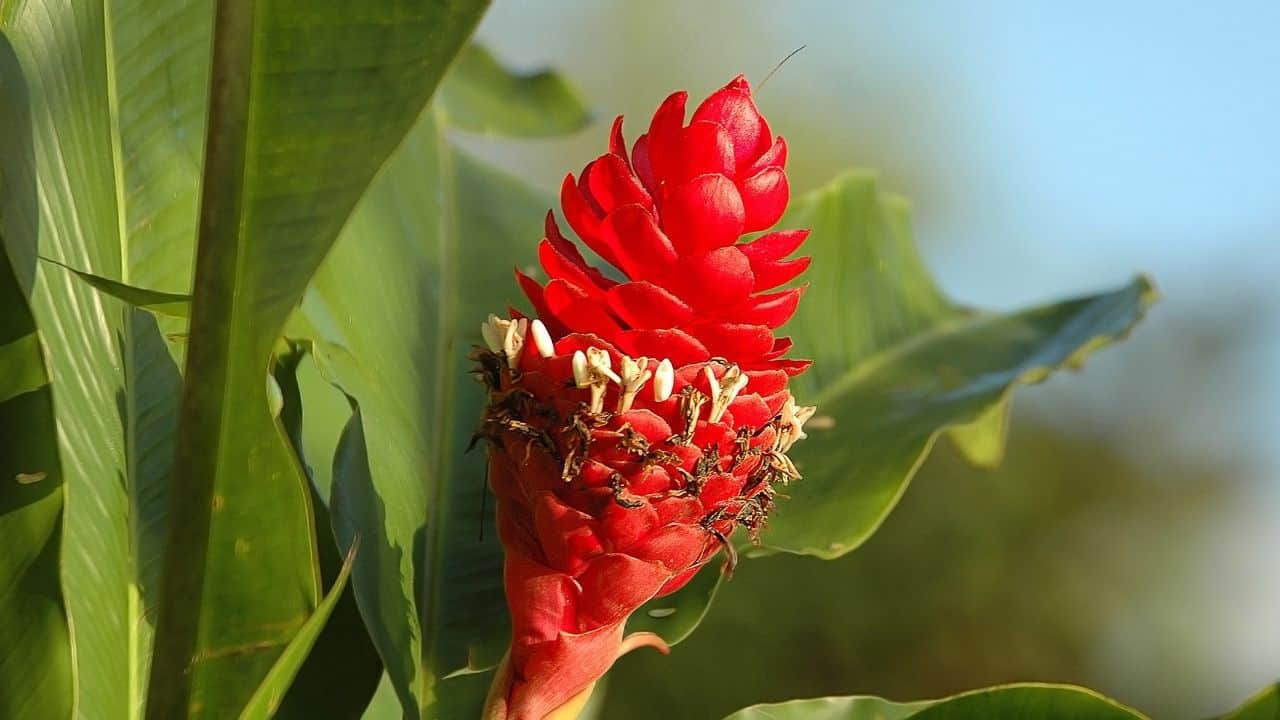
Red ginger plants can be propagated and cultivated through rhizome division, transplanting, and proper care involving watering and fertilization. These methods help ensure successful establishment and growth of the plant.
Rhizome Division
Rhizomes are underground stems that store nutrients and energy. Dividing rhizomes is an effective way to propagate red ginger plants. To do this, carefully dig up a mature plant and divide the rhizomes into smaller sections, each with at least one or two growth buds. Plant the divided rhizomes in well-draining soil and keep them moist until new growth appears.
Transplanting
Red ginger plants can be transplanted into containers or gardens once they have developed a strong root system. Choose a location with well-draining soil and plenty of sunlight. Dig a hole twice the width of the root ball and just as deep. Place the plant in the hole and backfill with soil, tamping down gently to remove any air pockets. Water the plant deeply and mulch around the base to retain moisture and suppress weeds.
Watering and Fertilizing
Water red ginger plants regularly, especially during hot, dry weather. Allow the soil to dry out slightly between waterings to prevent overwatering. Fertilize the plants monthly during the growing season with a balanced liquid fertilizer. Reduce watering and fertilizing during the winter months when the plants are dormant.
Common Pests and Diseases
:max_bytes(150000):strip_icc()/flowering-ginger-plants-1315760-hero-a160485cbcbd4b27857b00423f9fa0de.jpg "Ginger alpinia ornamental purpurata planta tropical jardines lengkuas especias gingers landscaping garden wikihow ayu")
Maintaining the health of red ginger plants requires vigilance against pests and diseases that can compromise their well-being. Early detection and prompt treatment are crucial to minimize damage and ensure the plant’s vitality.
Pests, Red ginger plant care
- Aphids: These tiny, sap-sucking insects form colonies on leaves and stems, causing yellowing, wilting, and stunted growth. Control measures include insecticidal soap, neem oil, or introducing natural predators like ladybugs.
- Spider mites: These microscopic arachnids spin webs on the undersides of leaves, leading to stippling, yellowing, and leaf drop. Use insecticidal soap or horticultural oil for effective control.
- Mealybugs: These cottony, white insects attach themselves to stems and leaves, feeding on plant juices. Remove them manually or apply insecticidal soap or neem oil.
Diseases
- Rhizome rot: Caused by fungal pathogens, this disease leads to soft, mushy rhizomes with a foul odor. Preventative measures include avoiding overwatering, using well-draining soil, and sterilizing planting tools.
- Leaf spot: Characterized by brown or black spots on leaves, this fungal disease can cause premature leaf drop. Remove infected leaves and apply fungicides containing copper or sulfur.
- Bacterial wilt: This bacterial infection causes yellowing and wilting of leaves, eventually leading to plant death. Prevention is crucial, as there is no cure. Use clean planting material, avoid overwatering, and maintain good sanitation.
Preventive Measures
Regular inspection and preventive measures are essential to maintain plant health. Check for pests and diseases regularly, especially during periods of stress or when environmental conditions are favorable for their development. Quarantine new plants before introducing them to your collection. Practice good hygiene, including cleaning tools and disinfecting pots to prevent the spread of pathogens. By implementing these measures, you can help your red ginger plants thrive and flourish.
