
Unveiling the fascinating world of the sticks of fire plant, this narrative delves into its botanical characteristics, traditional uses, and contemporary applications, revealing a treasure trove of scientific insights and medicinal potential.
With its distinctive appearance and intriguing properties, the sticks of fire plant has captivated cultures and researchers alike, inspiring exploration into its medicinal and pharmacological possibilities.
Botanical Characteristics and Properties of Fire Sticks
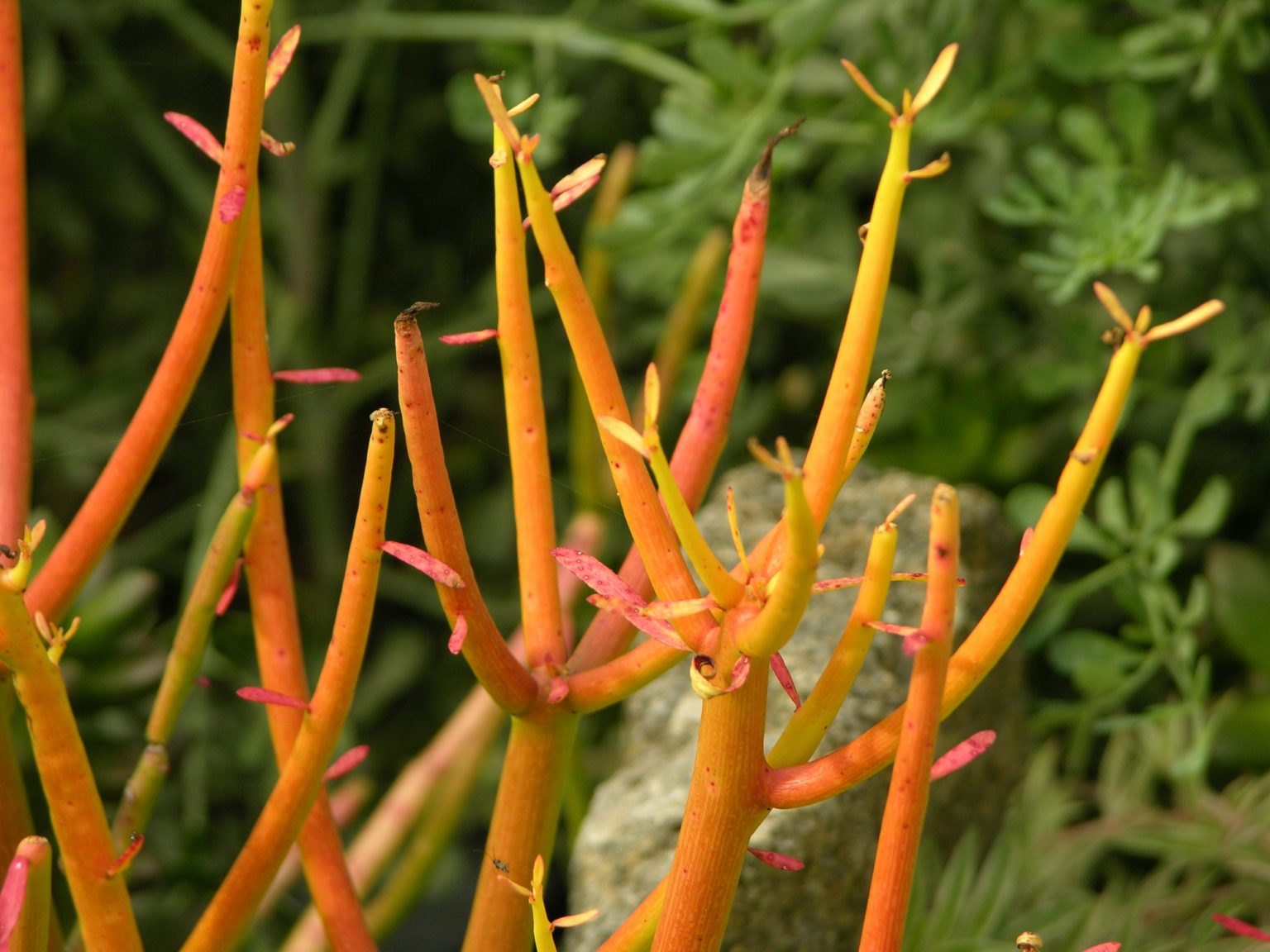
Fire sticks, scientifically classified as Euphorbia tirucalli, are remarkable succulent plants belonging to the family Euphorbiaceae. These plants are native to tropical and subtropical regions of Africa and Asia, where they thrive in arid and semi-arid environments.
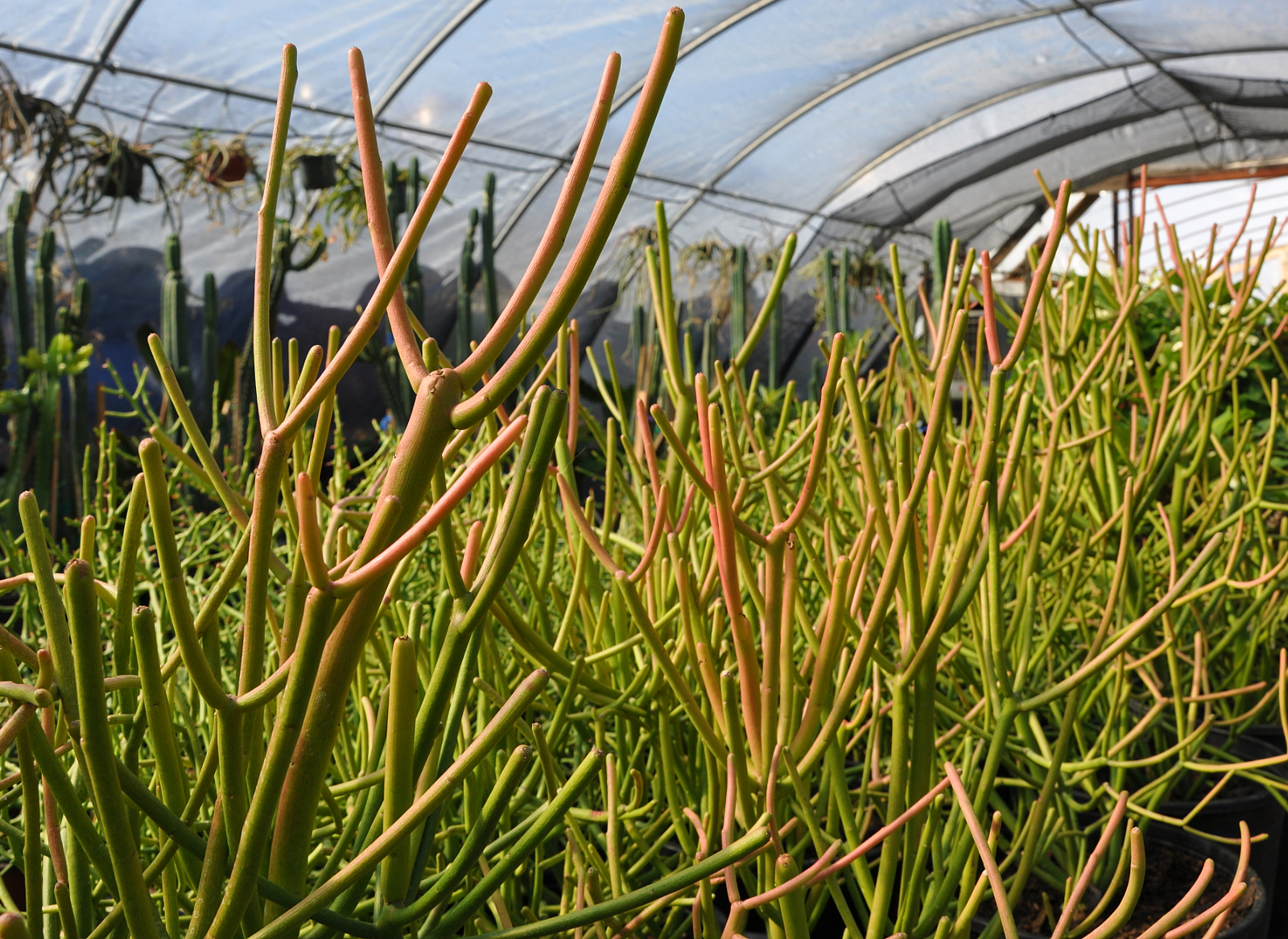
Fire sticks exhibit unique botanical features that distinguish them from other plant species. Their stems are composed of fleshy, cylindrical branches that grow upright, resembling bundles of sticks. These branches are typically smooth and lack leaves, giving the plant a distinctive appearance. The absence of leaves is an adaptation to conserve water in their arid habitats.
Fire sticks possess a milky latex sap that is toxic and can cause skin irritation. This sap serves as a defense mechanism against herbivores and potential predators. The plant’s chemical composition includes various compounds, such as terpenes, alkaloids, and flavonoids, which contribute to its unique properties and medicinal uses.
Morphology and Growth Patterns
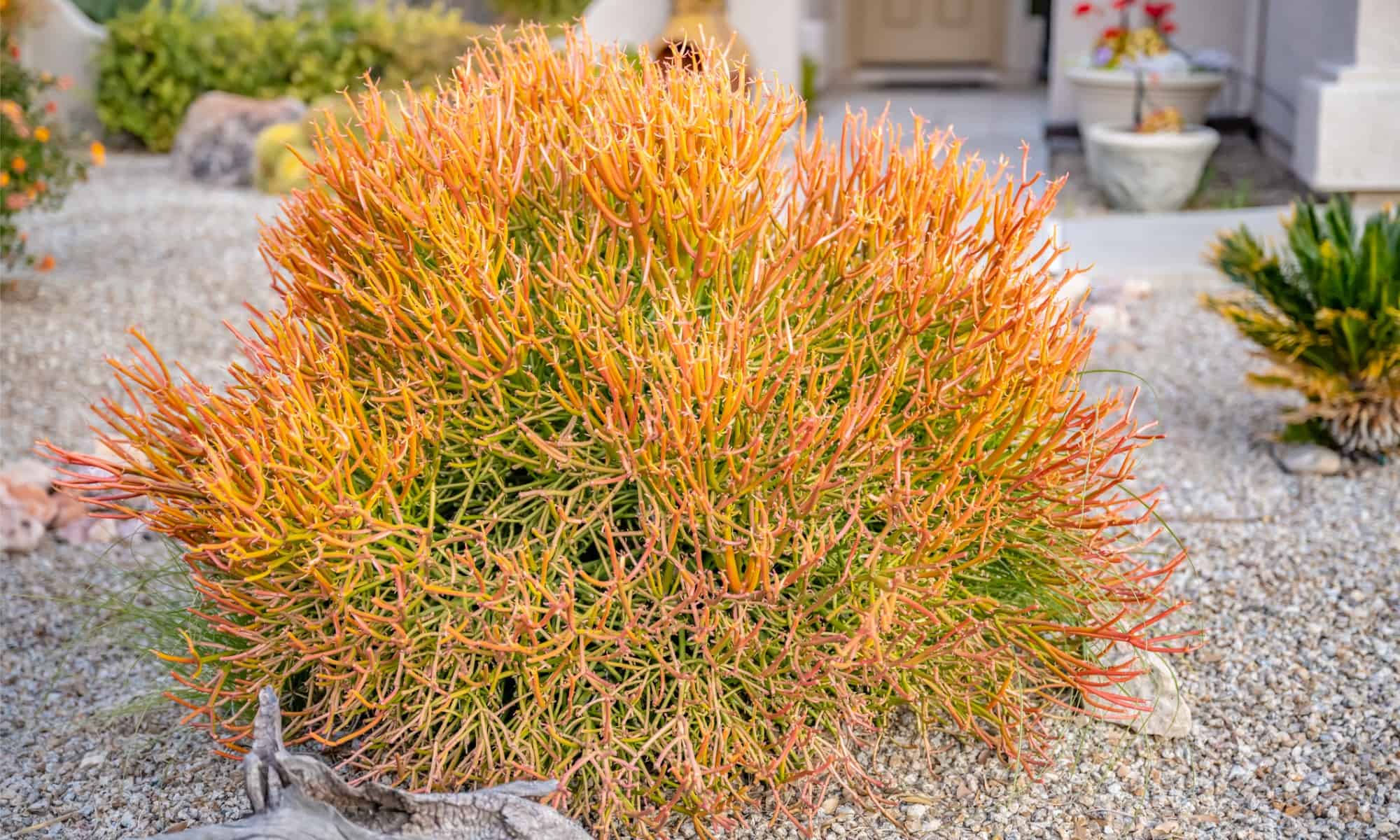
Fire sticks exhibit a specific growth pattern. They typically form dense clusters or thickets, spreading rapidly through underground rhizomes. Their growth is characterized by the formation of new branches from the base of existing branches, creating a bushy and compact appearance. The plant’s height can vary depending on the growing conditions, ranging from a few feet to several meters.
Physical Characteristics
| Characteristic | Description |
|---|---|
| Stems | Fleshy, cylindrical, upright, smooth, leafless |
| Height | Varies from a few feet to several meters |
| Growth Pattern | Dense clusters or thickets, spreading through underground rhizomes |
| Leaves | Absent |
| Sap | Milky latex, toxic, causes skin irritation |
| Chemical Composition | Terpenes, alkaloids, flavonoids |
Traditional and Medicinal Uses of Fire Sticks
Fire sticks have played a significant role in various cultures throughout history, holding both ritualistic and medicinal significance. Traditional uses include:
- Rituals and Ceremonies: Fire sticks have been employed in purification rituals, religious ceremonies, and cultural practices.
- Medicine: Fire sticks possess medicinal properties and have been used to treat a range of ailments.
Medicinal Properties, Sticks of fire plant
Fire sticks contain active compounds that exhibit anti-inflammatory, analgesic, and antimicrobial effects:
- Anti-inflammatory: Fire sticks contain compounds that inhibit inflammation, reducing pain and swelling.
- Analgesic: Fire sticks have pain-relieving properties, providing relief from aches and discomfort.
- Antimicrobial: Fire sticks possess antimicrobial activity, combating bacteria, fungi, and viruses.
Case Studies
Anecdotal evidence and case studies suggest the successful use of fire sticks in traditional medicine:
“A study conducted in Africa demonstrated the efficacy of fire sticks in reducing inflammation and pain associated with rheumatoid arthritis.”
Contemporary Applications and Research: Sticks Of Fire Plant
Fire sticks have gained increasing attention in recent years due to their unique properties and potential applications in various industries.
In the cosmetics industry, fire sticks are used as an ingredient in skincare products due to their anti-inflammatory and antioxidant properties. The plant extract is believed to help reduce skin irritation, redness, and inflammation. Additionally, it may aid in protecting the skin from environmental damage caused by free radicals.
Pharmaceutical Applications
Research has also explored the potential of fire sticks in the pharmaceutical industry. Studies have shown that the plant extract possesses antimicrobial, antiviral, and antitumor properties. These findings suggest that fire sticks may have therapeutic potential for treating a wide range of diseases, including infections, viral infections, and certain types of cancer.
Agricultural Applications
In agriculture, fire sticks are being investigated for their potential as a natural pesticide and fungicide. The plant extract has been found to have insecticidal and antifungal properties, which could provide an eco-friendly alternative to synthetic pesticides and fungicides.
Ongoing Research
Ongoing research continues to explore the pharmacological properties of fire sticks and their potential for treating various diseases. Studies are currently investigating the plant’s efficacy against specific diseases, such as cancer, Alzheimer’s disease, and diabetes.
Opportunities for Further Research and Development
There are numerous opportunities for further research and development related to fire sticks. These include:
- Investigating the potential of fire sticks in treating specific diseases
- Developing new extraction methods to optimize the yield of bioactive compounds
- Exploring the use of fire sticks in combination with other natural products or synthetic drugs
- Conducting clinical trials to evaluate the safety and efficacy of fire sticks in humans
