
From plant to plate – From seed to plate, the journey of plants is a fascinating one that involves intricate processes and scientific principles. This article delves into the stages of plant growth, harvesting and processing techniques, and the transportation and distribution channels that bring plants to our tables.
The growth of plants from humble seeds to mature plants is a marvel of nature, influenced by environmental factors and agricultural practices. Harvesting and processing methods are crucial in maintaining plant quality and ensuring their safe consumption. The transportation and distribution of plants require careful consideration of distance, plant type, and time constraints.
From Seed to Harvest: From Plant To Plate
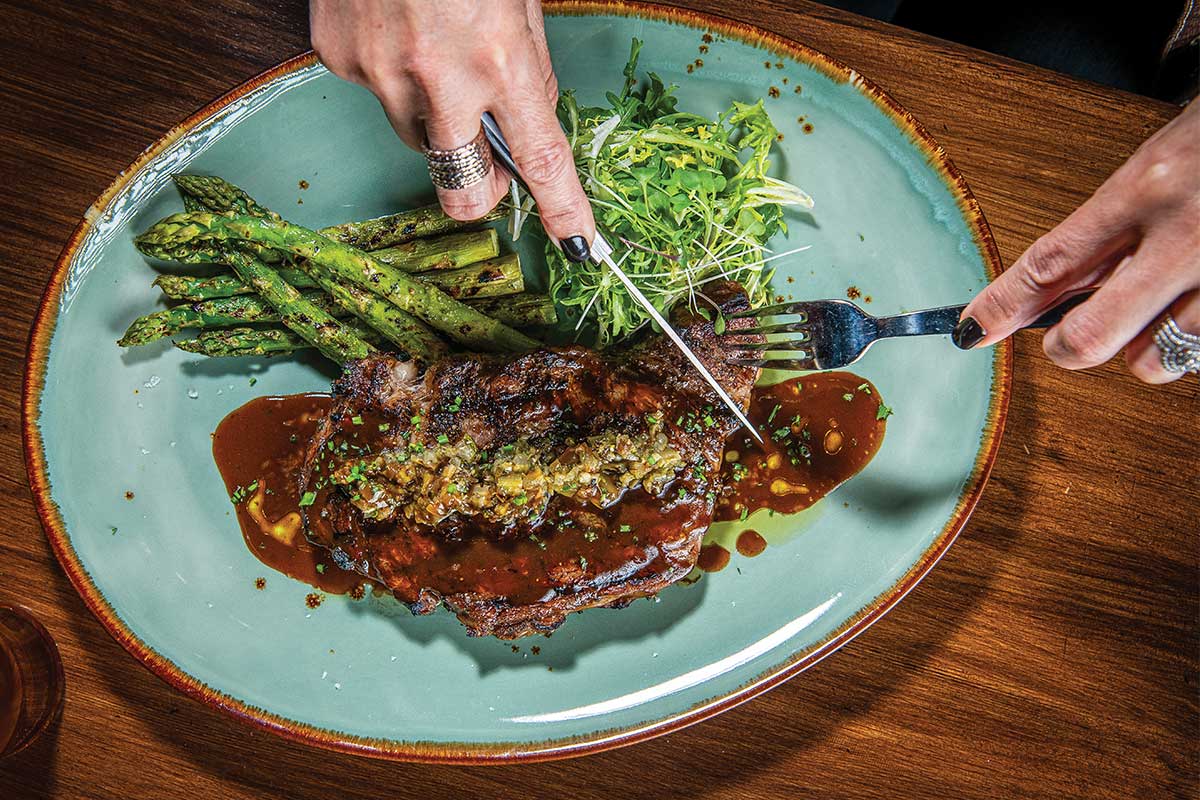
The journey from seed to harvest is a complex and fascinating process that involves a series of distinct stages, each characterized by unique physiological and biochemical changes. Understanding these stages is crucial for optimizing plant growth and maximizing crop yield.
The environmental factors that influence plant development include light, temperature, water, and nutrients. Light provides the energy necessary for photosynthesis, the process by which plants convert carbon dioxide and water into glucose and oxygen. Temperature affects the rate of enzymatic reactions and the availability of water and nutrients. Water is essential for cell turgor, nutrient transport, and photosynthesis. Nutrients, such as nitrogen, phosphorus, and potassium, are required for various metabolic processes.
Seed Germination
Seed germination is the process by which a dormant seed resumes growth and development. It begins with the imbibition of water, which activates the metabolic processes within the seed. The embryo then emerges from the seed coat and begins to grow. The first structure to emerge is the radicle, which will develop into the primary root. The next structure to emerge is the hypocotyl, which will develop into the stem. The cotyledons, which are the first leaves of the plant, then emerge and begin to photosynthesize.
Vegetative Growth
Vegetative growth is the period of plant development that occurs after germination and before flowering. During this period, the plant produces new leaves, stems, and roots. The rate of vegetative growth is determined by a number of factors, including the availability of light, water, and nutrients. The plant’s genetic makeup also plays a role in determining the rate of vegetative growth.
Reproductive Growth
Reproductive growth is the period of plant development that occurs after flowering. During this period, the plant produces flowers and seeds. The flowers are the reproductive organs of the plant and contain the male and female gametes. The seeds are the fertilized ovules of the plant and contain the embryo of the new plant.
Maturity, From plant to plate
Maturity is the final stage of plant development. During this stage, the plant reaches its full size and produces seeds. The seeds are then dispersed and the plant dies.
Techniques Used in Agriculture to Optimize Plant Growth
There are a number of techniques that can be used in agriculture to optimize plant growth. These techniques include:
- Crop rotation: Crop rotation is the practice of growing different crops in the same area in sequential seasons. This helps to prevent the buildup of pests and diseases and improves soil fertility.
- Fertilization: Fertilization is the practice of adding nutrients to the soil to improve plant growth. Fertilizers can be organic or inorganic.
- Irrigation: Irrigation is the practice of providing water to crops when rainfall is insufficient. Irrigation can be done using a variety of methods, including sprinklers, drip irrigation, and flood irrigation.
- Pest and disease control: Pest and disease control is the practice of protecting crops from pests and diseases. This can be done using a variety of methods, including pesticides, fungicides, and biological control.
Harvesting and Processing
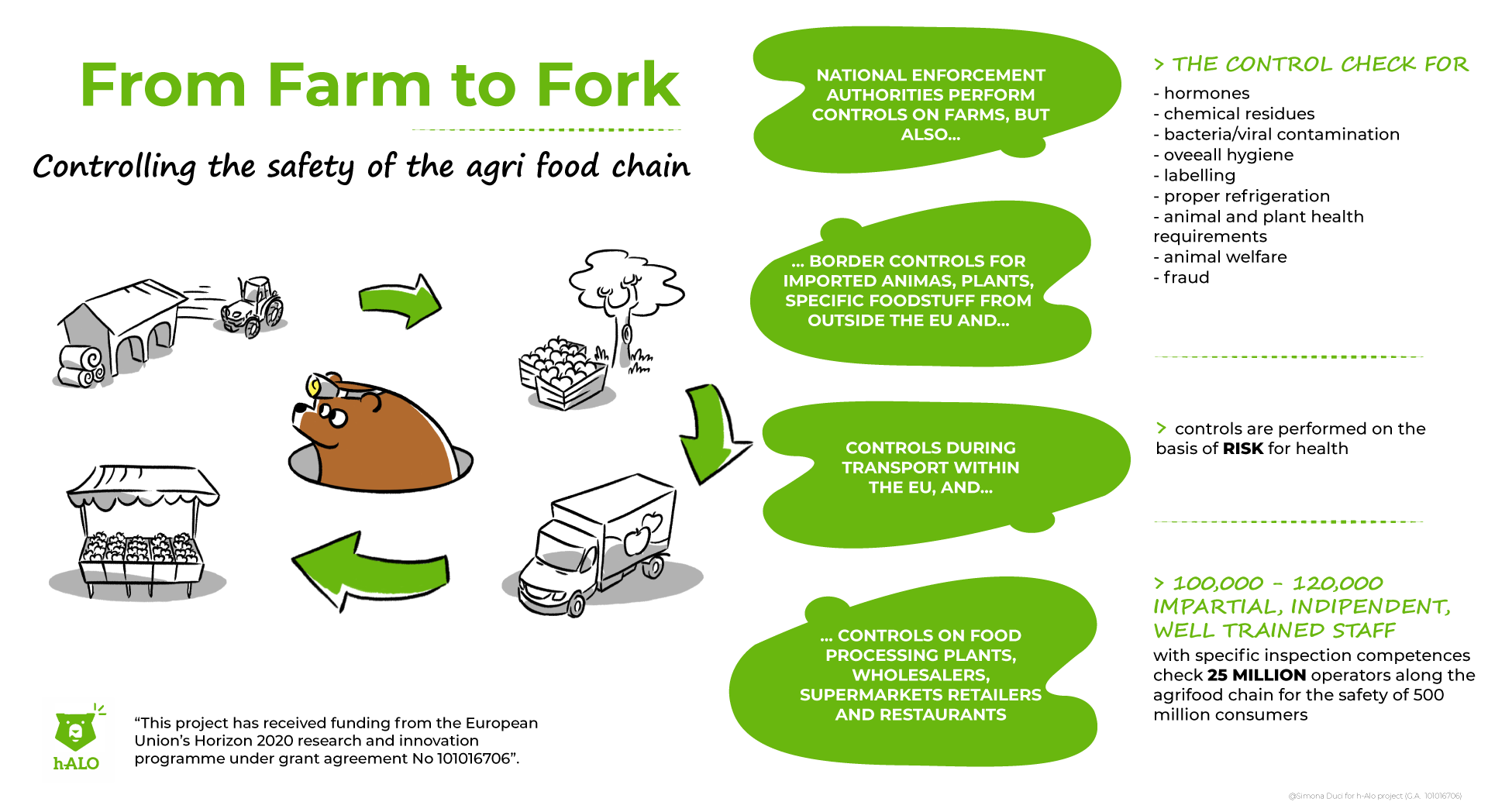
Harvesting and processing plants for human consumption are crucial steps in the food production chain. These processes ensure that plants are harvested at the optimal time, handled properly to maintain their quality, and processed to meet safety and consumer preferences.
Harvesting Methods
Harvesting methods vary depending on the plant species and its intended use. Manual harvesting, using hand tools like knives or shears, is still widely practiced for delicate crops like fruits and vegetables. Mechanical harvesting, employing machines like combine harvesters and fruit pickers, is efficient for large-scale operations and crops like grains and legumes.
Post-Harvest Handling
Proper post-harvest handling is essential to minimize spoilage and maintain plant quality. Techniques include:
- Cooling: Rapidly cooling harvested plants slows down respiration and enzymatic reactions, extending their shelf life.
- Controlled Atmosphere Storage: Storing plants in controlled environments with modified gas compositions (e.g., reduced oxygen, increased carbon dioxide) inhibits spoilage and maintains freshness.
- Sorting and Grading: Sorting plants based on size, maturity, and quality ensures uniform quality and optimal packaging.
Processing
Processing plants for human consumption involves various steps:
- Cleaning: Removing dirt, debris, and unwanted plant parts to ensure food safety and quality.
- Sorting: Grading plants based on size, shape, and quality for different market segments.
- Packaging: Protecting plants from damage, contamination, and moisture loss during transportation and storage.
Transportation and Distribution

Getting plants from farms to consumers involves careful planning and execution to ensure freshness and quality. The choice of transportation method depends on factors such as distance, plant type, and time constraints. Common methods include:
Trucking
- Trucks are the most common method for transporting plants over short to medium distances.
- Refrigerated trucks are used for perishable plants, while open-air trucks are suitable for hardier plants.
- Trucks provide flexibility and can be used to deliver plants directly to retail stores or distribution centers.
Rail
- Rail transportation is cost-effective for long-distance shipments of large quantities of plants.
- Refrigerated railcars are available for perishable plants.
- Rail transportation requires coordination with rail schedules and infrastructure.
Air
- Air transportation is used for perishable plants or plants that need to be shipped quickly.
- Airplanes provide the fastest transportation method but are more expensive.
- Plants transported by air require special packaging and handling to prevent damage.
Once plants arrive at distribution centers, they are sorted, graded, and packaged for distribution to consumers. Distribution channels include:
Retail Stores
- Retail stores, such as grocery stores and garden centers, are the most common distribution channel for plants.
- Plants are typically displayed in-store for customers to select.
- Retail stores may offer a variety of plant species and sizes.
Farmers’ Markets
- Farmers’ markets provide a direct connection between farmers and consumers.
- Plants sold at farmers’ markets are typically locally grown and may be more expensive than plants sold in retail stores.
- Farmers’ markets offer a wider variety of plant species and unique varieties.
Online Platforms
- Online platforms, such as e-commerce websites and plant subscription boxes, offer convenience and a wide selection of plants.
- Plants purchased online are typically shipped directly to consumers’ homes.
- Online platforms may specialize in specific plant types or offer unique varieties.
